
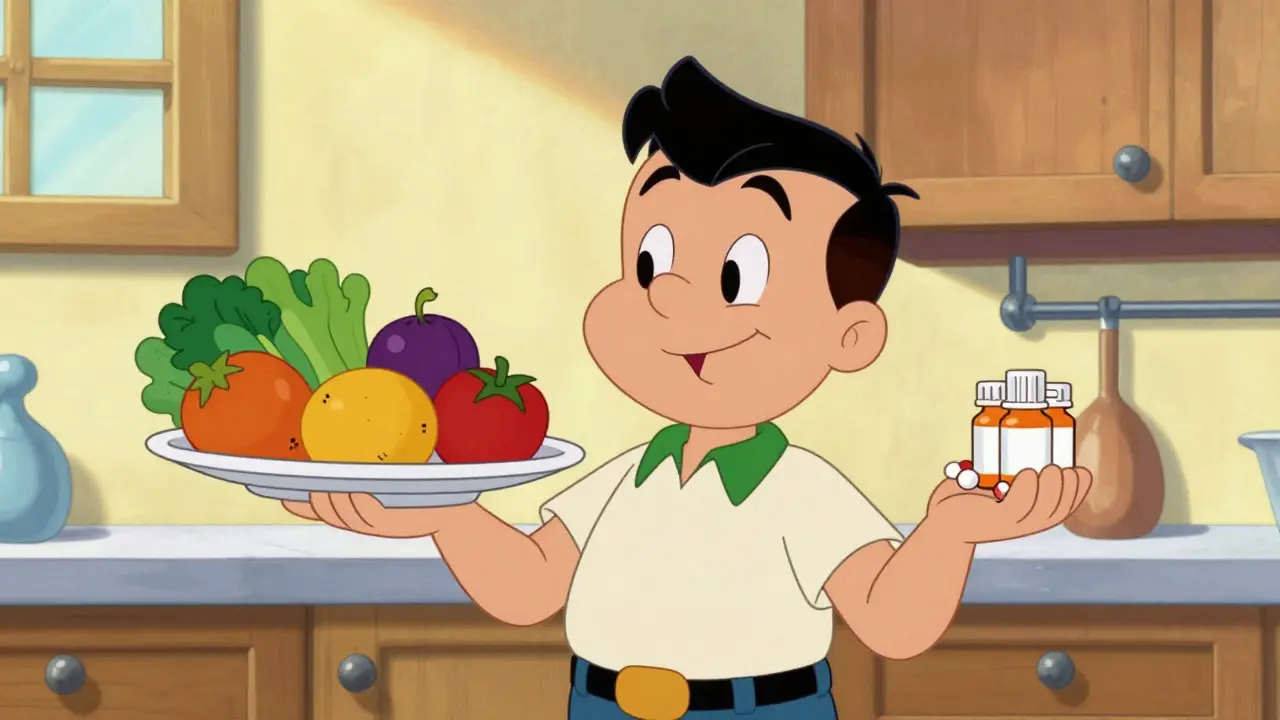
You might be taking pills for high blood pressure, diabetes, or cholesterol. You trust them to keep you safe. But what if I told you that the very foods on your plate or the way you sleep could make those medications less effective-or even dangerous? It’s a reality many people face without realizing it. Medication safety is the practice of ensuring that medicines are used correctly and safely to prevent harm. It isn’t just about swallowing the right pill at the right time. It’s about how your entire life interacts with that chemistry.
The numbers are startling. The Institute for Safe Medication Practices reports that adverse drug events lead to roughly 1.3 million emergency room visits in the United States every year. That’s more than car accidents. A huge chunk of this risk comes from polypharmacy, which is the concurrent use of multiple medications by a single patient. If you’re taking five or more drugs, your risk of a bad reaction jumps by 300%, according to a 2022 study in the Journal of the American Geriatrics Society. The good news? You have power here. Strategic lifestyle changes can reduce the need for these meds by 25-50% for conditions like hypertension and type 2 diabetes. Let’s look at how to do this safely, without throwing away your prescriptions prematurely.
Why Lifestyle Changes Matter More Than You Think
We often treat medication as a magic bullet. Take the pill, fix the problem. But modern medicine is shifting toward Lifestyle Medicine, an evidence-based healthcare approach using lifestyle interventions as primary therapy. Founded formally with the American College of Lifestyle Medicine (ACLM) in 2004, this field proves that behavior change addresses root causes, not just symptoms. A massive 2023 meta-analysis in JAMA Internal Medicine, covering 3.4 million participants, confirmed that lifestyle interventions work. They aren’t a fad; they’re clinical tools.
Think about it this way: if your high blood pressure is driven by stress and poor diet, a beta-blocker masks the symptom but doesn’t fix the driver. When you change the driver, the machine runs smoother. Dr. Rob Shmerling from Harvard Medical School warns that patients often "slack off" on diet and exercise because they feel protected by their statins or blood pressure pills. This creates a false sense of security. The goal isn’t to replace meds overnight-it’s to build a foundation where your body needs less chemical support to stay healthy.
The Big Three: Sleep, Movement, and Stress
You don’t need a gym membership or a complex meal plan to start reducing medication risks. You need consistency in three areas: sleep, movement, and stress management. These are the pillars that regulate your hormones and organ function.
Sleep is non-negotiable. Adults need seven to nine hours nightly. Chronic sleep deprivation is linked to high blood pressure, type 2 diabetes, and obesity. When you don’t sleep, your cortisol levels spike, keeping your heart rate up and your blood sugar unstable. This forces your medications to work harder. Aim for a consistent bedtime. Even small improvements in sleep quality can lower the dosage requirements for antihypertensive drugs over time.
Movement heals the heart. JenCare Medical Centers’ 2023 analysis shows that brisk walking for 30 minutes, three days a week, makes the heart muscle more efficient. An efficient heart pumps blood with less force, naturally lowering blood pressure. For cardiovascular health, the Michigan State University College of Pharmacy recommends 150 minutes of moderate aerobic exercise weekly plus two days of strength training. Start slow. If you’ve been sedentary, walk for 10 minutes. Then 15. Consistency beats intensity when you’re trying to avoid injury and build habit.
Stress management protects your vessels. Yoga, meditation, or deep breathing aren’t just spiritual practices; they’re physiological resets. High stress constricts blood vessels. Relaxation techniques dilate them. This directly complements blood pressure medications. Try box breathing: inhale for four seconds, hold for four, exhale for four, hold for four. Do this for five minutes before bed. It signals your nervous system to calm down, potentially reducing the need for anxiety or sleep aids.
Nutrition: Fueling Your Body, Not Fighting Your Meds
Diet is where things get tricky. Food is medicine, but some foods fight with your medicine. This is called a drug-food interaction, a a situation where food affects how a drug works in the body. Ignoring these can render your medication useless or cause toxicity.
Here are the big offenders:
- Grapefruit and Statins: Grapefruit contains compounds that block the enzyme CYP3A4, which breaks down many statins (cholesterol drugs). Eating grapefruit can cause statin levels to skyrocket in your blood, leading to muscle damage. It affects about 85% of statins. If you take Lipitor or Zocor, skip the grapefruit juice.
- Leafy Greens and Warfarin: If you’re on blood thinners like warfarin, vitamin K helps your blood clot. Dark leafy greens (spinach, kale) are high in vitamin K. Sudden increases in greens can make your thinner less effective, raising stroke risk. The key isn’t to avoid greens, but to keep your intake steady. Don’t eat none one week and salads every day the next.
- Dairy and Antibiotics: Calcium binds to certain antibiotics (like tetracyclines and fluoroquinolones), preventing absorption. Wait at least two hours after taking these meds before having milk, yogurt, or cheese.
For specific conditions, diet can mimic medication effects. The DASH (Dietary Approaches to Stop Hypertension) diet, rich in fruits, vegetables, and low-fat dairy, can lower blood pressure by 11/5 mm Hg-comparable to a single antihypertensive drug, according to a 2023 New England Journal of Medicine study. Reducing sodium from 3,500mg to 1,500mg daily has similar power. One Reddit user, 'HypertensionWarrior', dropped his BP from 150/95 to 125/80 in six months using this exact combo, allowing his doctor to drop one medication.
| Medication Class | Food/Drink to Watch | The Risk |
|---|---|---|
| Statins (Cholesterol) | Grapefruit, Pomegranate | Increased drug levels, potential muscle toxicity |
| Warfarin (Blood Thinner) | Spinach, Kale, Broccoli | Reduced effectiveness, higher clotting risk |
| Tetracycline Antibiotics | Milk, Yogurt, Cheese | Poor absorption, ineffective treatment |
| MAOIs (Antidepressants) | Aged Cheeses, Cured Meats | Dangerous spike in blood pressure |

Weight Loss: The Multiplier Effect
If you carry extra weight, losing even a small amount can dramatically shift your medication needs. Research presented at the 2024 UC Davis Wellness Academy showed that losing just 5-7% of your body weight through diet and exercise can reduce the need for diabetes medications by up to 60% in prediabetic patients and 40% in those with established type 2 diabetes.
This isn’t about vanity. Fat tissue is metabolically active; it releases inflammatory chemicals that resist insulin. By shedding fat, you improve insulin sensitivity. Your body handles glucose better, so you need less metformin or insulin. However, be careful. As your health improves, your current medication dose might become too strong, causing hypoglycemia (low blood sugar). This is why you must monitor your levels closely and talk to your doctor. Never adjust doses on your own.
Alcohol and Smoking: The Silent Saboteurs
Alcohol and smoking interfere with almost every major organ system. Alcohol competes with medications for metabolism in the liver. This can lead to toxic buildup or reduced efficacy. For example, mixing acetaminophen (Tylenol) with alcohol significantly raises the risk of liver failure. The general rule? Moderate consumption. Up to two drinks daily for men and one for women, according to Michigan State University guidelines. But for some meds, like certain antidepressants or sedatives, zero alcohol is the only safe option.
Smoking accelerates the breakdown of many drugs, meaning you might need higher doses to get the same effect. Quitting smoking normalizes this metabolism. It also instantly improves circulation, aiding blood pressure and heart health medications. If you smoke, quitting is the single most impactful lifestyle change you can make for medication safety.
How to Implement Changes Safely
So, how do you start without risking your health? Here is a step-by-step approach:
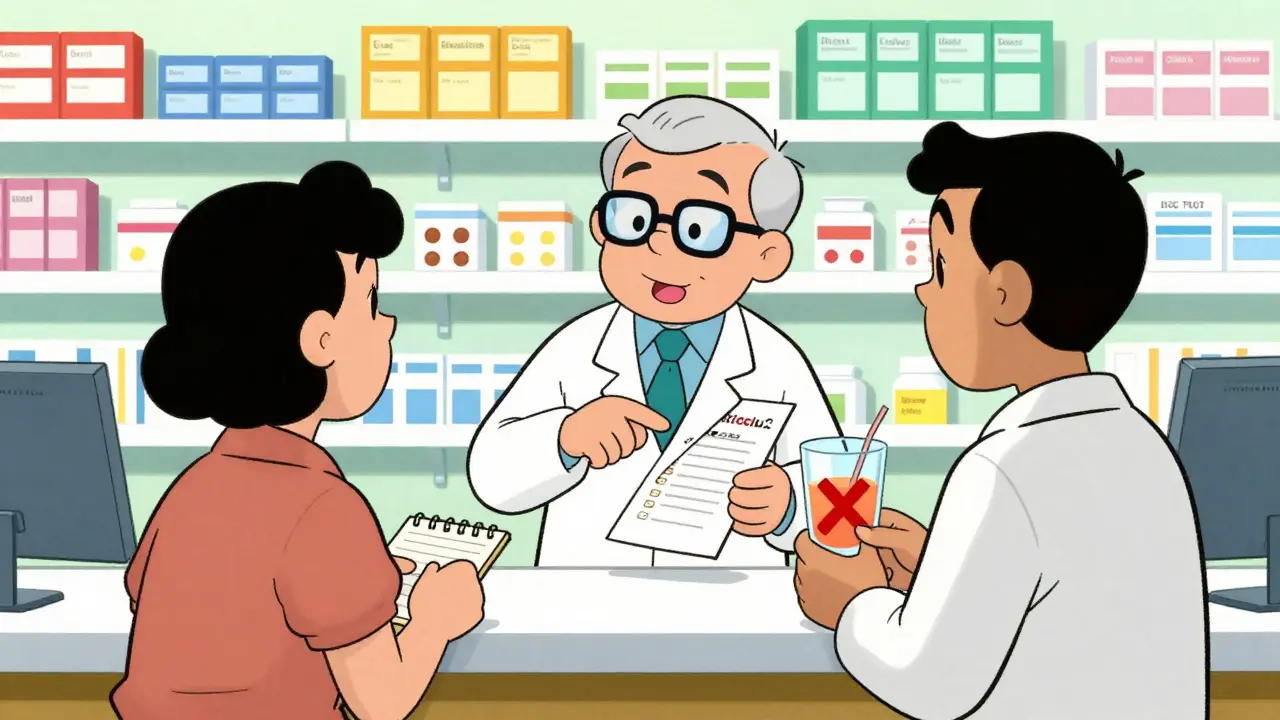
- Audit Your Meds: List every prescription, over-the-counter drug, and supplement you take. Bring this list to your pharmacist. Ask specifically: "Are there any foods or supplements I should avoid?" Pharmacists are the experts in drug interactions.
- Set One Goal: Don’t overhaul your life overnight. Pick one thing. Maybe it’s walking 20 minutes a day. Or cutting salt from dinner. Master that for four weeks. Habits take 4-6 weeks to form, per UC Davis research.
- Track Your Metrics: Buy a home blood pressure cuff or glucose meter. Track your numbers before and after your lifestyle change. This data is gold for your doctor. It proves whether the change is working.
- Consult Before Changing Doses: This is critical. If your BP drops due to exercise, tell your doctor. They may taper your medication slowly. Stopping abruptly can cause rebound hypertension or other crises. As JenCare Medical Centers states, changes must happen "with your doctor, not just change your medicine on your own."">
- Use Digital Tools: Apps that track diet, sleep, and steps can improve adherence by 47%. Use them to stay accountable.
Remember, lifestyle changes take time. Medications work immediately; habits work cumulatively. You might not see results for 8-12 weeks. Stick with it. The American Heart Association found that 68% of patients who combined lifestyle changes with meds reported better quality of life. The other 32% struggled with consistency. The difference? Support systems and realistic goals.
Frequently Asked Questions
Can I stop taking my medication if I live healthily?
Never stop medication without your doctor's approval. While lifestyle changes can reduce the need for drugs, abrupt cessation can be dangerous. Your doctor will monitor your progress and taper doses gradually if appropriate. Some conditions require lifelong medication regardless of lifestyle.
How long does it take for lifestyle changes to affect medication needs?
It varies by condition. Blood pressure improvements from diet and exercise can appear in 4-6 weeks. Diabetes medication reductions might take 3-6 months of consistent weight loss and activity. Patience and tracking are key.
What is the safest exercise for someone on heart medication?
Brisk walking is generally the safest and most effective starting point. Aim for 30 minutes, three times a week. Always check with your cardiologist first, especially if you have severe heart disease, to ensure your heart rate stays within a safe zone during activity.
Does grapefruit interact with all medications?
No, but it interacts with many common ones, particularly statins, some blood pressure drugs, and anti-anxiety medications. It blocks the CYP3A4 enzyme. Always ask your pharmacist if your specific med list includes grapefruit-sensitive drugs.
Can supplements replace prescription drugs?
Generally, no. Supplements are not regulated as strictly as drugs and rarely match their potency. They can also cause harmful interactions. For example, St. John’s Wort interferes with birth control and antidepressants. Treat supplements as additions, not replacements, and discuss them with your doctor.