
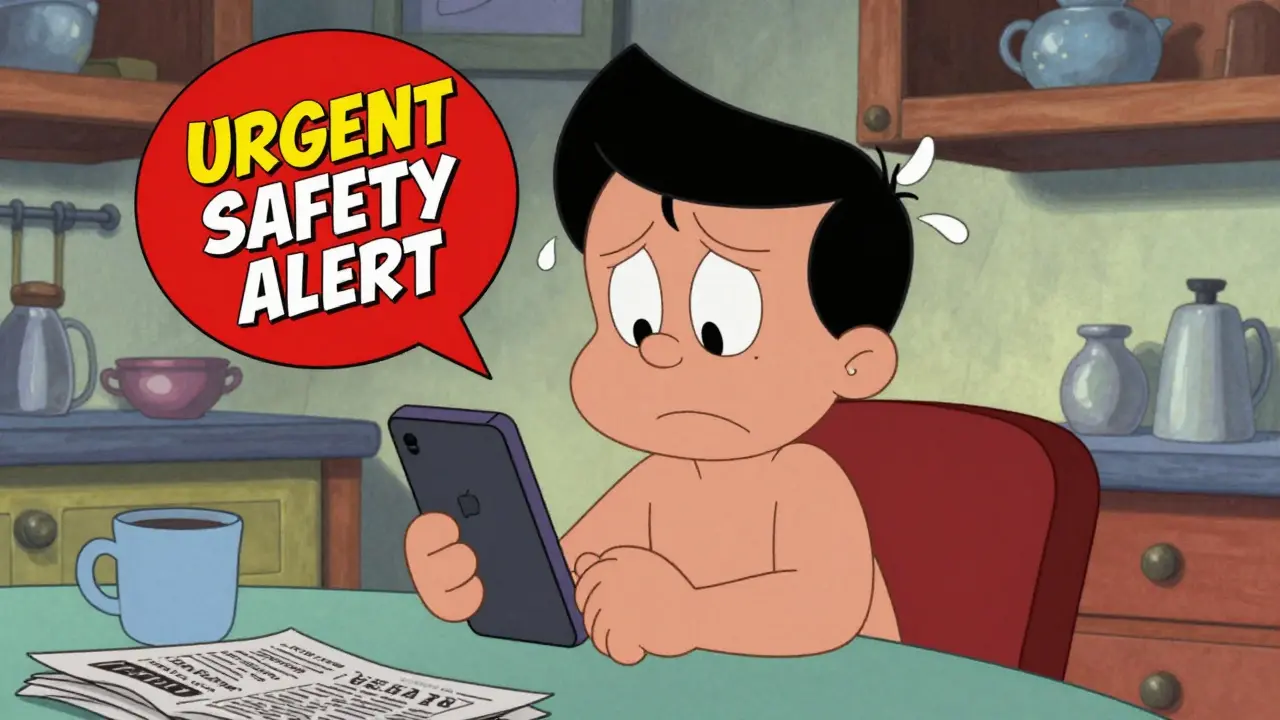
Imagine this: You’re scrolling through your email on a Tuesday morning and see a subject line that screams “URGENT SAFETY ALERT” regarding the blood pressure medication you’ve taken for years. Your heart skips a beat. Is it dangerous? Should you stop taking it immediately? Do you call your doctor right now?
This scenario is more common than you might think. Every year, regulatory agencies like the U.S. Food and Drug Administration (FDA) issue dozens of drug safety communications. These aren’t just random warnings; they are critical updates based on new data that could affect millions of patients. However, the gap between reading an alert and understanding what it means for *your* specific health situation is where most people get stuck.
Talking to your doctor about these alerts doesn’t have to be awkward or anxiety-inducing. In fact, when done correctly, it can strengthen your partnership with your healthcare provider. The key isn’t to demand immediate changes, but to bring informed questions to the table. Here is how to navigate these conversations effectively, ensuring your safety without causing unnecessary alarm.
Understanding What a Drug Safety Alert Actually Means
Before you pick up the phone or walk into the exam room, it helps to understand where these alerts come from. A Drug Safety Communication is not necessarily a recall. It is often a formal notification from the FDA or similar bodies like the European Medicines Agency (EMA) regarding newly identified risks. These risks might include rare side effects that only appeared after thousands of people started using the drug, interactions with other medications, or updated dosage guidelines.
For example, in May 2023, the FDA issued a communication requiring updates to boxed warnings for prescription stimulants used to treat ADHD. This wasn’t because the drugs were suddenly "bad," but because new data highlighted risks of misuse, abuse, addiction, and overdose that needed clearer labeling. Similarly, recent alerts in 2025 focused on opioid pain medicines and long-term use risks.
It is crucial to distinguish between a Boxed Warning-the strongest warning the FDA can require-and a general precaution. A boxed warning usually indicates a life-threatening risk, while other updates might simply suggest monitoring certain lab values more closely. Understanding this hierarchy helps you gauge the urgency of the conversation.
Preparation Is Key: Gather the Right Information
The biggest mistake patients make is bringing vague concerns or social media posts to their appointments. Doctors are trained to rely on evidence-based sources. If you arrive with a screenshot from a Facebook group claiming a drug is "toxic," you may inadvertently trigger defensiveness rather than collaboration.
Instead, do your homework. Go directly to the source. The FDA maintains a dedicated page for Drug Safety Communications. Search for your specific medication by name. Read the entire document, not just the headline. Look for sections titled "What Actions Are Being Taken" or "Recommendations for Healthcare Providers."
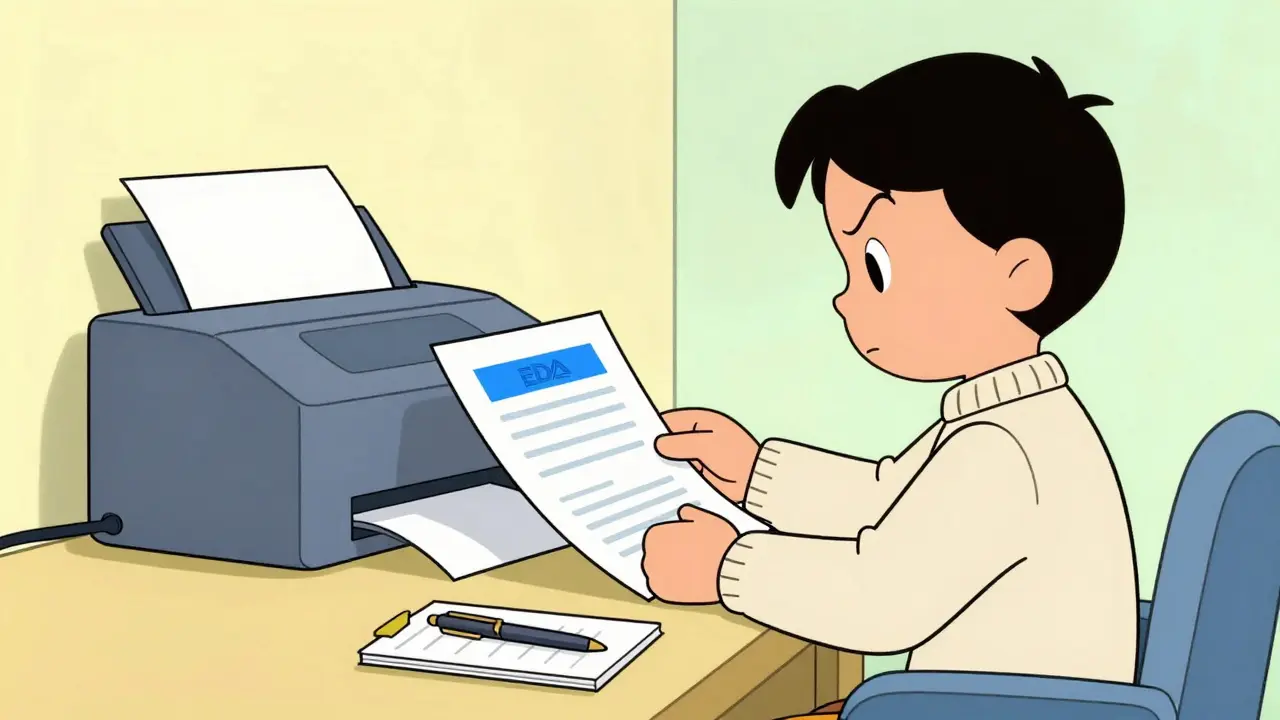
Print out the official communication or save it to your phone. When you show your doctor the actual FDA document, dated and sourced, it signals that you are serious and informed. As one physician noted in a Mayo Clinic advisory meeting, "When patients come with printed FDA communications, we take them seriously; when they come with internet rumors, it creates unnecessary anxiety."
- Find the official alert: Use the FDA.gov website or your country’s equivalent regulatory body site.
- Note the date: Safety information evolves. Knowing when the alert was issued shows you are current.
- Identify the specific risk: Is it liver toxicity? Kidney issues? Allergic reactions? Pinpoint the concern.
- Check your own records: Have you experienced any symptoms mentioned in the alert? Write them down.
Timing and Tone: How to Start the Conversation
Medical appointments are often short. A typical primary care visit lasts around 15 minutes. You need to respect that time while still addressing your concern. Research suggests that raising safety concerns in the first few minutes of the appointment yields better outcomes, as physicians are most alert at the start of the encounter.
Avoid accusatory language. Phrases like "You put me on a dangerous drug" or "Why didn’t you tell me about this?" put doctors on the defensive. Instead, use collaborative language. Try saying: "I saw this FDA safety alert about [Medication Name] dated [Date], and I wanted to discuss how it might apply to my specific situation." This approach invites your doctor to be your partner in problem-solving rather than an adversary. It acknowledges that medicine is complex and that safety alerts often contain nuances that don’t apply to every single patient.
Asking the Right Questions
Once you’ve opened the door, guide the conversation with specific, high-value questions. General worries like "Is this drug safe?" rarely yield useful answers because all drugs have risks. Instead, ask questions that help you weigh those risks against the benefits for your unique health profile.
| Question Category | Specific Question to Ask | Why It Matters |
|---|---|---|
| Relevance | "Does this new risk factor apply to my specific medical history or other medications I’m taking?" | Safety alerts often target specific subgroups (e.g., people with kidney disease). You might not be in that group. |
| Monitoring | "Do we need to add any new tests or monitoring checks to my routine schedule?" | Many alerts recommend increased vigilance (e.g., more frequent blood tests) rather than stopping the drug. |
| Alternatives | "Are there alternative medications with different safety profiles that we should consider?" | If the risk outweighs the benefit for you, knowing options empowers you to switch if necessary. |
| Symptoms | "What specific symptoms should I watch for at home, and when should I call you immediately?" | Clarifies the red flags that require urgent action versus those that are manageable. |
These questions shift the dynamic from fear to management. They show your doctor that you want to stay safe while continuing to manage your condition effectively.
Interpreting Your Doctor’s Response
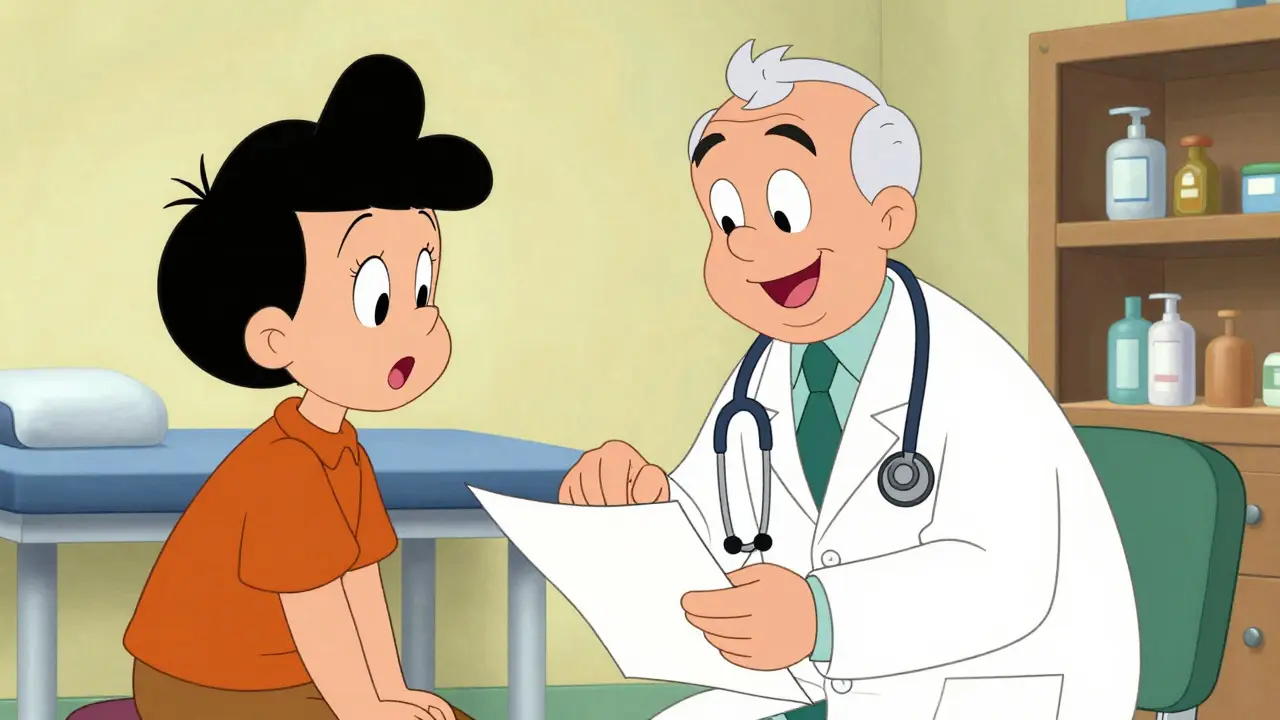
Your doctor might respond in a few different ways. Some will welcome the information and adjust your plan immediately. Others might explain why the alert doesn’t apply to you. For instance, a patient on Reddit shared that their doctor spent two minutes explaining why a blood pressure alert didn’t apply to their specific condition, saving them from unnecessary panic.
However, if your doctor dismisses your concern without explanation, it is okay to push back gently. You can say, "I understand your perspective, but I’m still feeling uneasy about this new information. Can you help me understand why the risk isn’t relevant to me?" If you feel unheard, seeking a second opinion is a valid option. Your peace of mind is part of your overall health.
Remember, doctors face "alert fatigue" too. Studies show that clinicians override drug safety alerts in computerized systems between 49% and 96% of the time, often because the alerts are too generic. By bringing the specific context of your own health, you help them cut through the noise and focus on what matters for you.
Staying Informed Between Visits
You don’t have to wait for your next annual checkup to stay safe. The FDA offers a subscription service where you can sign up for email alerts about Drug Safety Communications related to specific drug types or medical specialties. This ensures you get timely information directly from the source.
Additionally, familiarize yourself with the MedWatch program, which allows patients and healthcare professionals to report adverse events. If you experience a side effect that seems unusual, reporting it contributes to the broader safety net. It’s a small action that helps protect others.
Finally, keep a personal medication list updated. Include dosages, start dates, and any recent changes. This makes it easier for any healthcare provider you see to quickly assess potential interactions and risks, especially if you travel or seek emergency care.
Should I stop taking my medication immediately if I see a safety alert?
Generally, no. Stopping certain medications abruptly can be more dangerous than continuing them. Always consult your doctor before making changes. Safety alerts often recommend monitoring or dose adjustments rather than discontinuation, unless the risk is severe and immediate (like a recall).
Where can I find reliable drug safety alerts?
The most reliable sources are government regulatory agencies. In the U.S., visit the FDA's Drug Safety Communications page. In Europe, check the European Medicines Agency (EMA) website. Avoid relying solely on news headlines or social media, which often lack context.
What is a Boxed Warning?
A Boxed Warning is the strongest type of warning the FDA requires on a drug's label. It highlights risks that are life-threatening or significantly increase the risk of serious injury. If a new alert adds a Boxed Warning, it warrants an immediate discussion with your doctor.
How do drug safety alerts get generated?
Alerts are generated through pharmacovigilance, which involves analyzing data from clinical trials, post-market surveillance, spontaneous adverse event reports (like those submitted via MedWatch), and medical literature. New risks often emerge only after a drug is used by a large, diverse population over time.
What if my doctor dismisses my concern about a safety alert?
If your doctor dismisses your concern without explanation, politely ask for clarification on why the risk doesn't apply to you. If you remain uncomfortable, consider seeking a second opinion. Patient-physician trust is essential, and your comfort with your treatment plan is important.