
Drug Administration Route Analyzer
Select a method of administration to analyze its efficiency, speed, and safety profile.
Oral
Pills, Capsules, Liquids
Most CommonInjection
IV, IM, Subcutaneous
Fastest ActionTopical
Creams, Patches, Ointments
Lowest Systemic RiskSelect an option above to begin
Performance Metrics
Key Characteristics
- Waiting for selection...
Clinical Insight
Please select a drug administration route to view the clinical analysis.
Have you ever wondered why your doctor prescribes a pill for one condition but demands an injection or a cream for another? It’s not just about convenience. The way a drug enters your body-known as the route of administration-dramatically changes how it works, how fast it kicks in, and what side effects you might face.
We often assume that if a drug is effective, the delivery method doesn’t matter much. But the reality is quite different. Taking a painkiller orally hits your stomach first, while an injection bypasses digestion entirely, and a cream stays mostly on your skin. Each path creates a unique set of risks and benefits. Understanding these differences can help you manage your health better and avoid unexpected adverse reactions.
How Oral Medications Work and Their Risks
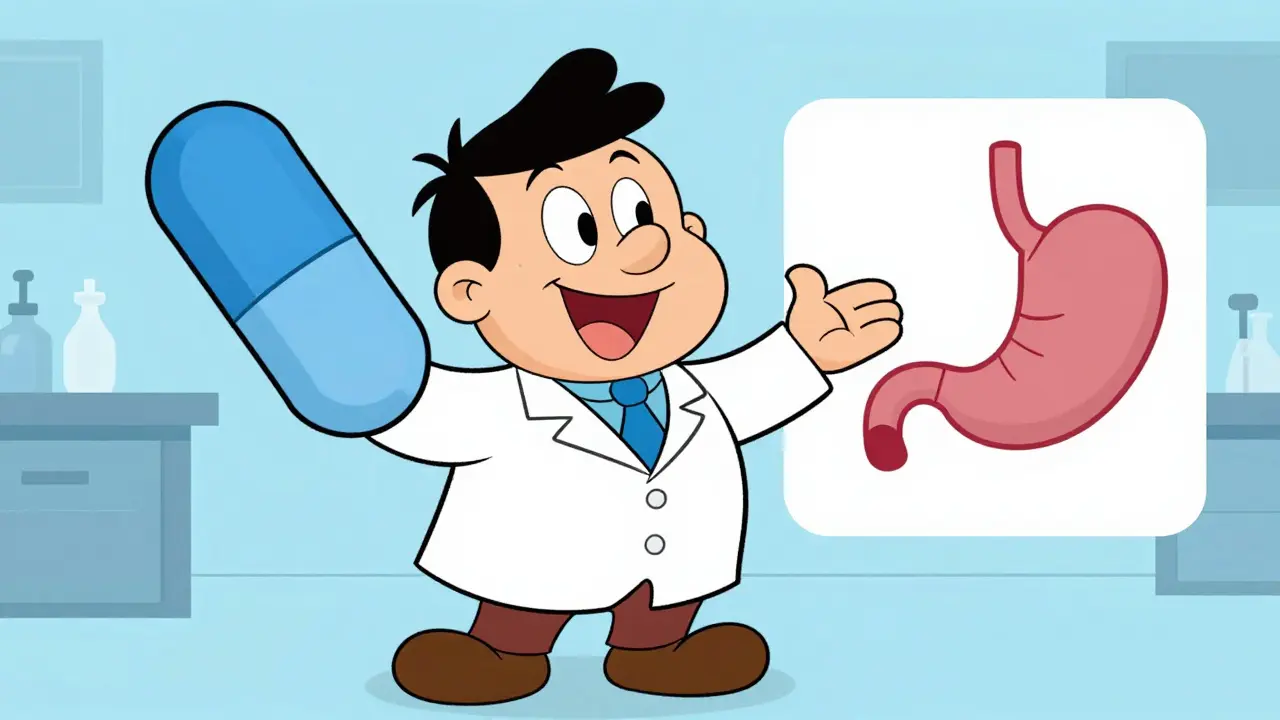
The oral route is the most common way people take medicine, involving swallowing pills, capsules, or liquids. About 75% of all medications are taken this way because it’s easy, cheap, and doesn’t require any medical training. You pop a pill, wash it down with water, and go about your day.
However, "easy" comes with a catch. When you swallow a pill, it travels through your gastrointestinal tract before entering your bloodstream. This journey subjects the drug to harsh stomach acid and digestive enzymes, which can break down some medications before they even work. For example, penicillin V has only 15-30% bioavailability because stomach acid destroys much of it.
Even if the drug survives the stomach, it faces its biggest hurdle next: the liver. This process is called first-pass metabolism. Your liver acts as a filter, breaking down chemicals before they reach the rest of your body. Drugs like propranolol lose up to 75% of their potency here due to extensive first-pass metabolism. To compensate, manufacturers often prescribe higher doses, which can increase the risk of dose-dependent side effects.
The side effect profile for oral meds is dominated by gastrointestinal issues. Roughly 25-30% of patients experience stomach upset, nausea, or heartburn. Long-term use of NSAIDs (like ibuprofen) can lead to gastric ulcers in 1-2% of users. Additionally, food interactions are a major concern; about 40% of common prescriptions have their absorption altered by what you eat, meaning taking a pill with grapefruit juice or a fatty meal might make it ineffective or overly potent.
Injections: Speed, Precision, and Pain
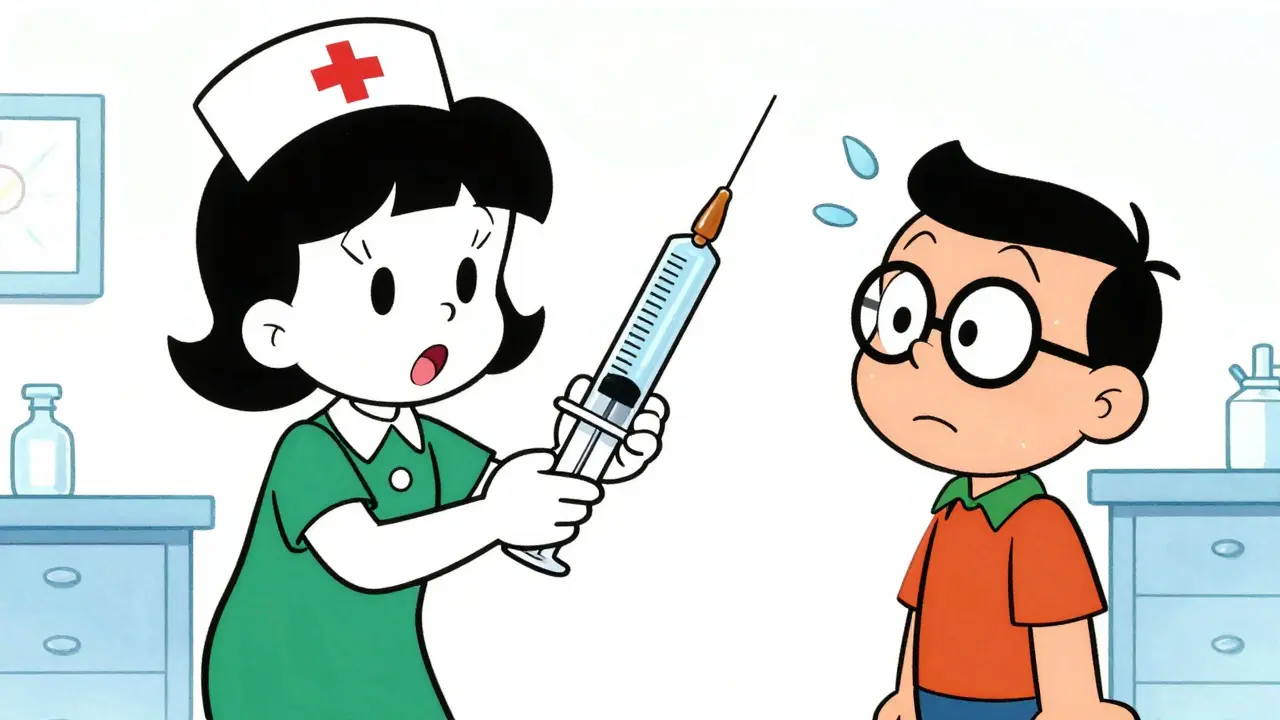
If speed is critical, injections win every time. Developed significantly after Alexander Wood invented the hypodermic syringe in 1853, injectable administration delivers drugs directly into tissue or blood. This route completely bypasses the digestive system and the liver’s first-pass effect.
There are three main types of injections, each with different speeds:
- Intravenous (IV): Goes straight into the vein. Bioavailability is 100%, and peak concentration happens in 2-5 minutes. This is used in emergencies.
- Intramuscular (IM): Injected into muscle (like the arm or thigh). Peak levels hit in 45-60 minutes with 70-90% bioavailability.
- Subcutaneous (SubQ): Injected into fat under the skin. It takes 60-90 minutes to peak but offers steady absorption over time.
Because injections avoid the gut and liver, they allow for precise dosing and rapid therapeutic effects. Dr. Susan Thompson from the FDA noted that eliminating first-pass metabolism via injections reduced severe adverse events by 35% for certain cardiac drugs compared to oral versions.
But this power comes with significant downsides. Injections are invasive. Needle phobia affects 20-25% of the population, causing anxiety and avoidance. There is also a physical risk: infection at the injection site occurs in 1-5% of cases, and anaphylaxis (a severe allergic reaction) happens in 0.01-0.05% of administrations. Furthermore, long-term injectable use, such as insulin for diabetes, can cause lipohypertrophy (lumpy tissue at injection sites) in 45% of patients who don’t rotate sites properly. Cost is another barrier; biologic injectables can cost $2,500-$5,000 per dose, far exceeding oral alternatives.
Topical Treatments: Localized Relief with Minimal Systemic Impact
Topical administration applies medication directly to the body surface-skin, eyes, or ears. With roots in ancient Egyptian ointments, this method is designed for localized effects. If you have a rash, eczema, or joint pain, a cream or patch targets the problem area without flooding your entire system.
The key advantage of topicals is safety. Because the skin is a strong barrier, systemic absorption is low. For standard creams, less than 10% of the drug enters the bloodstream. A 2022 study showed an 87% reduction in systemic side effects when using topical treatments compared to oral equivalents. This makes them ideal for chronic conditions where long-term exposure to strong drugs would be dangerous.
For example, topical corticosteroids reduce HPA axis suppression (a hormonal side effect) by 92% compared to oral steroids. However, not all topicals are created equal. Transdermal patches (like nicotine or fentanyl patches) are designed to cross the skin barrier intentionally, delivering 60-80% bioavailability for systemic effect. These carry higher risks of systemic side effects than simple creams.
Limitations exist. Skin permeability restricts large molecules (over 500 Daltons) from passing through easily. Also, skin condition matters: psoriasis-affected skin absorbs 3-5 times more medication than healthy skin, which can lead to accidental overdose if standard amounts are applied. Application errors are common too; using less than the recommended "fingertip unit" (0.5g) can reduce efficacy by 35-40%.
Comparing Side Effect Profiles Across Routes
| Side Effect Type | Oral | Injection | Topical |
|---|---|---|---|
| Gastrointestinal Issues | High (25-30%) | None | None |
| Local Tissue Damage | Low | Moderate (15-20% IM reactions) | Moderate (Skin irritation) |
| Systemic Exposure | High (Variable bioavailability) | Very High (100% IV) | Low (<10% for creams) |
| Infection Risk | None | Present (1-5%) | Very Low |
| Patient Preference | 92% prefer over injections | Low (Needle phobia) | High (Non-invasive) |
This table highlights a trade-off: oral meds are convenient but hard on the stomach; injections are powerful but risky and painful; topicals are safe but limited in scope. Your choice depends on whether you need speed, safety, or convenience.

Why Doctors Choose Specific Routes
Doctors don’t pick routes randomly. They consider the drug’s chemistry and the patient’s condition. If a drug is unstable in acid, it must be injected or taken topically. If a patient is vomiting, oral meds won’t work. If immediate action is needed (like an allergic reaction), an EpiPen (injection) is the only option.
Cost also plays a role. Oral formulations cost 30-50% less than injectables. For chronic diseases managed at home, affordability drives adherence. Conversely, in ICU settings, 45% of medications are parenteral (injectable) because critically ill patients often have compromised gut function.
Innovation is shifting these norms. New technologies like "liquid-in-capsule" oral systems improve bioavailability by 30-50%, allowing some drugs to stay oral instead of becoming injections. Meanwhile, ultrasound-enhanced transdermal patches aim to deliver biologics topically, potentially reducing the need for needles by 2030.
Practical Tips for Patients
To minimize side effects regardless of the route:
- For Oral Meds: Take with food if directed to protect your stomach. Avoid grapefruit unless told otherwise. Never crush extended-release tablets.
- For Injections: Rotate injection sites to prevent tissue damage. Use proper needle disposal containers. Ask for numbing cream if you have needle anxiety.
- For Topicals: Apply the correct amount (use the fingertip unit rule). Wash hands after application. Don’t cover treated areas with tight bandages unless instructed, as this increases absorption and risk.
Understanding these basics empowers you to ask better questions during appointments. If a pill upsets your stomach, ask if a topical or injectable alternative exists. If you hate needles, inquire about oral or transdermal options. Knowledge reduces fear and improves outcomes.
Which route of administration has the fewest side effects?
Topical administration generally has the fewest systemic side effects because minimal drug enters the bloodstream. Studies show an 87% reduction in systemic side effects compared to oral medications when treating localized conditions.
Why do injections act faster than pills?
Injections bypass the digestive system and liver metabolism. Intravenous injections deliver 100% of the drug directly into the bloodstream, reaching peak concentration in 2-5 minutes, whereas oral pills take 30-90 minutes to digest and absorb.
Can topical creams cause serious side effects?
While rare, yes. If applied to damaged skin or in excessive amounts, topical drugs can enter the bloodstream significantly. Transdermal patches are designed for systemic delivery and can cause serious side effects if misused, similar to oral or injectable forms.
What is first-pass metabolism?
First-pass metabolism is the process where the liver breaks down a drug absorbed from the gut before it reaches the rest of the body. This reduces the drug's effectiveness (bioavailability) and often requires higher oral doses, increasing the risk of side effects.
Is it true that injections are always more expensive?
Generally, yes. Injectable formulations, especially biologics, cost significantly more ($2,500-$5,000 per dose) than oral equivalents ($25-$100) due to complex manufacturing, sterility requirements, and administration costs.