
Medication & Food Interaction Checker
Not sure if you should eat before taking your pill? Use this tool to check common medications against their specific food requirements.
Why?
Risk if Ignored
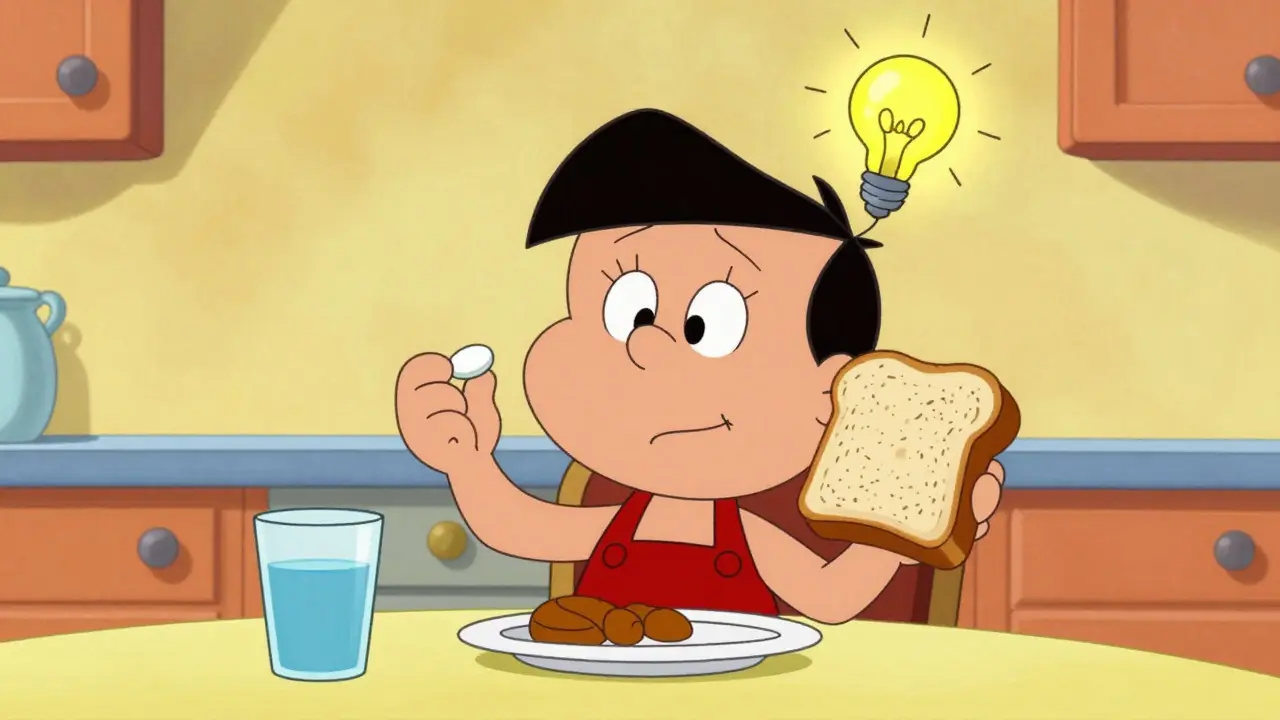
Did you know that how you take your pills might matter more than the pill itself? For many people, a simple glass of water is enough to swallow a prescription. But for others, adding a piece of bread or avoiding coffee can be the difference between feeling great and ending up in the hospital. Taking medication with food is a critical practice that optimizes drug absorption while minimizing gastrointestinal irritation and adverse reactions. It is not just about comfort; it is about safety and effectiveness. If you have ever wondered why your doctor said "take with food" for one drug but "on an empty stomach" for another, you are not alone. The rules seem contradictory until you understand what is actually happening inside your body.
The core issue is that food changes the environment in your gut. Your stomach acid, how fast things move through your intestines, and even the enzymes present can all shift when you eat. These shifts directly impact how much of the medicine reaches your bloodstream. This process is known as bioavailability, which refers to the proportion of a drug that enters circulation and has an active effect on the body. When managed correctly, this can reduce side effects by up to 60%, according to recent clinical data. Let's break down exactly when and why this matters, so you can stop guessing and start managing your health with confidence.
Why Food Changes How Drugs Work
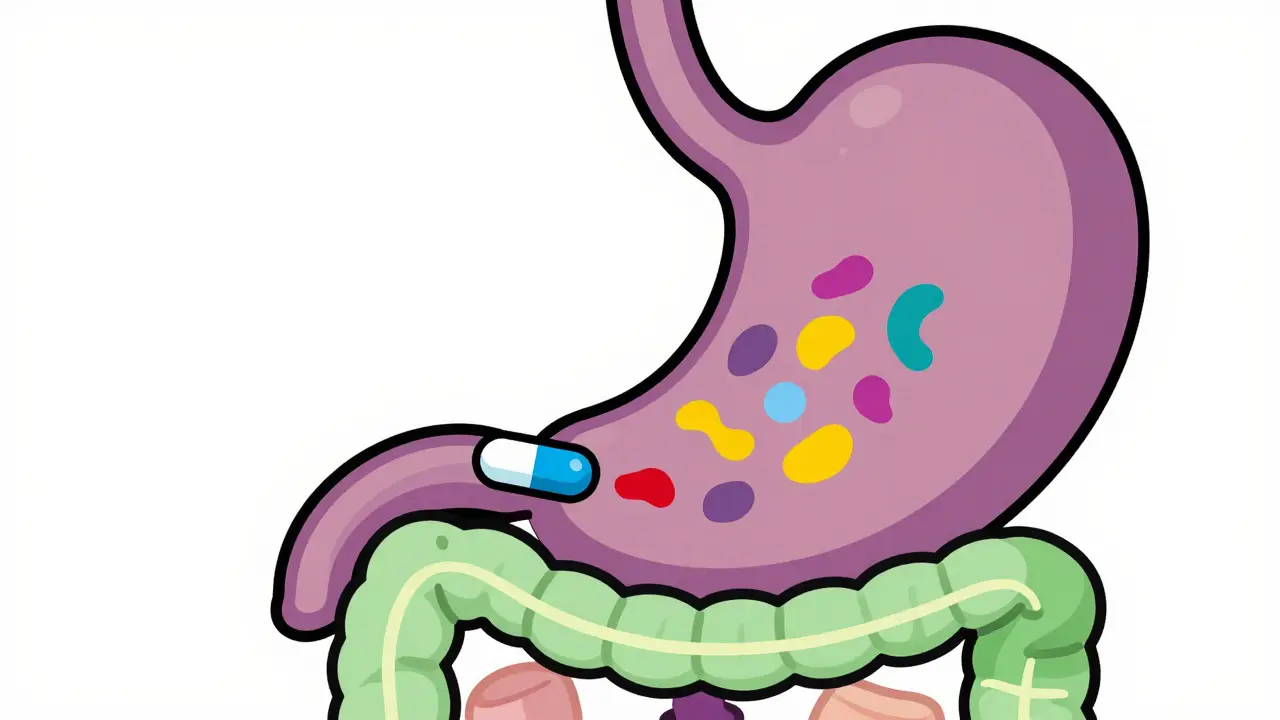
To understand the "why," we need to look at the mechanics of digestion. Normally, an empty stomach empties its contents into the small intestine in about 15 to 30 minutes. However, when you eat, that process slows down significantly, taking anywhere from 2 to 4 hours. This delay is actually helpful for many medications because most drugs are absorbed in the small intestine, not the stomach. By slowing down gastric emptying, food gives the medication more time to dissolve and be absorbed properly.
But it is not just about speed. Food also buffers stomach acid. For some drugs, high acidity breaks them down before they can work. For others, like certain antibiotics, low acidity is required for proper dissolution. This is where the confusion often starts. A drug that needs an acidic environment (like omeprazole, a proton pump inhibitor) must be taken before eating to ensure the stomach is still acidic enough to activate it. Conversely, a drug that irritates the stomach lining, like ibuprofen, benefits from the protective layer of food. Studies show that non-steroidal anti-inflammatory drugs (NSAIDs) cause 2 to 4 times fewer gastric ulcers when taken with food compared to on an empty stomach.
- Slowed Gastric Emptying: Food extends the time drugs spend in the digestive tract, allowing for better absorption in the small intestine.
- pH Buffering: Eating neutralizes stomach acid, which protects the lining and alters how certain tablets dissolve.
- Enzyme Inhibition: Specific foods can block enzymes that break down drugs, leading to higher blood levels of the medication.
When You Must Take Meds With Food
There are specific scenarios where eating is non-negotiable. The most common reason is to prevent gastrointestinal distress. If a medication causes nausea, heartburn, or stomach pain, taking it with a meal is usually the first line of defense. This is particularly true for strong pain relievers and certain antibiotics. For example, patients taking metformin for diabetes report severe gastrointestinal issues when taking it without food, but symptoms drop dramatically when paired with meals.
Beyond comfort, some drugs actually need fat to be absorbed. Fat-soluble vitamins and certain antifungals, like griseofulvin, rely on dietary fats to enter the bloodstream effectively. Taking these on an empty stomach can result in poor absorption, meaning you are essentially wasting part of the dose. In these cases, a meal containing healthy fats isn't just a buffer; it is a delivery mechanism.
| Medication Type | Example Drug | Reason for Food | Potential Side Effect if Skipped |
|---|---|---|---|
| NSAIDs | Ibuprofen, Naproxen | Protects stomach lining | Gastric ulcers, bleeding, heartburn |
| Diabetes Medication | Metformin | Reduces nausea and cramping | Severe GI distress, diarrhea |
| Antifungals | Griseofulvin | Requires fat for absorption | Reduced efficacy, treatment failure |
| Statins | Simvastatin | May reduce muscle pain risk | Inconsistent blood levels, myalgia |
When You Must Avoid Food
If taking meds with food helps some drugs, why does it hurt others? The answer lies in binding and absorption windows. Some medications need to hit the stomach quickly before any food gets in the way. This is crucial for drugs that are easily degraded by food components or require a very specific pH level to dissolve.
A prime example is levothyroxine, used for hypothyroidism. This hormone replacement works best when your stomach is completely empty. If you take it with breakfast, especially if that breakfast includes calcium or iron, the minerals can bind to the thyroid hormone, reducing its absorption by 30% to 55%. This means you might feel tired and gain weight, thinking your dose is too low, when really the food is blocking the medicine from working. Similarly, certain tetracycline antibiotics lose half their power if taken with dairy products because calcium binds to the drug in the gut.
Timing is everything here. The FDA defines "empty stomach" as taking the medication at least one hour before eating or two hours after eating. This window ensures that the previous meal has cleared the stomach and the next meal hasn't started arriving yet. It sounds strict, but consistency is key. Mixing up your timing can lead to fluctuating blood levels, making it hard for your doctor to adjust your dosage correctly.
The Grapefruit Juice Factor
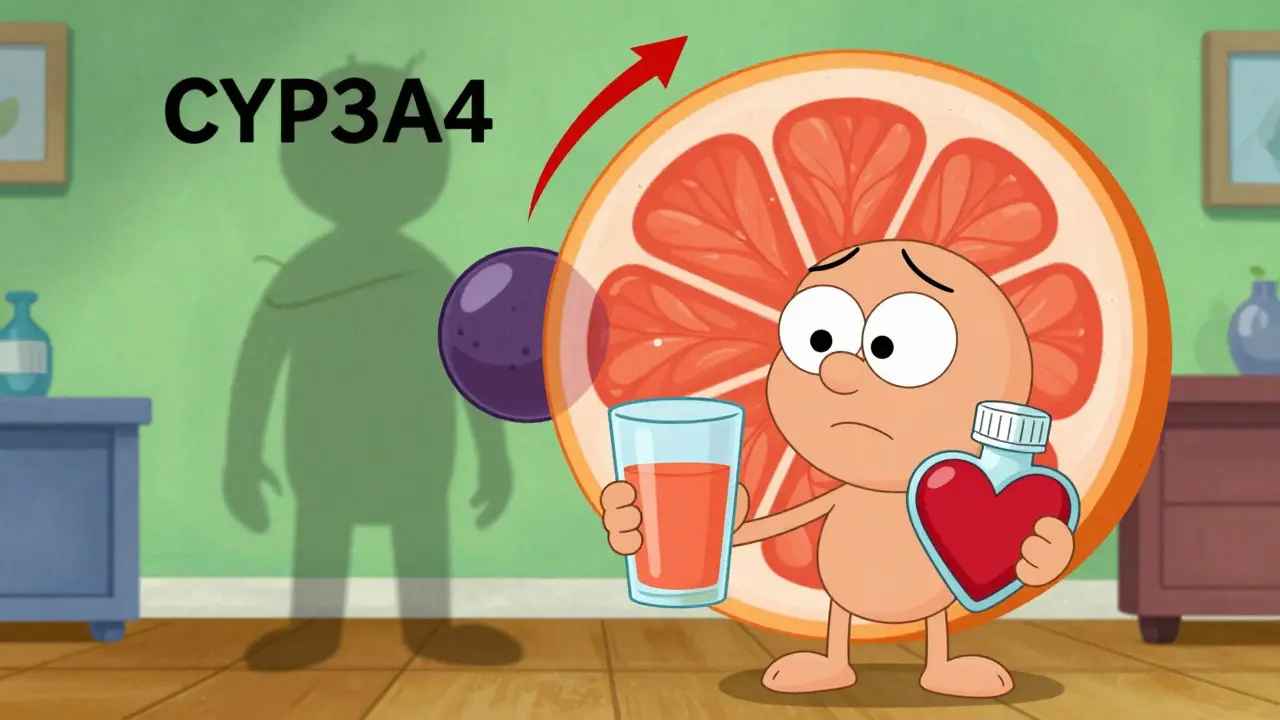
You have probably heard the warning about grapefruit juice. It is one of the most famous and dangerous food-drug interactions. Grapefruit contains compounds called furanocoumarins that inhibit CYP3A4, an enzyme in your small intestine responsible for breaking down many medications. When this enzyme is blocked, your body cannot clear the drug efficiently, causing blood levels to spike.
This is particularly risky for cardiovascular medications. For instance, simvastatin blood levels can increase nine to fifteen-fold when taken with grapefruit juice, dramatically increasing the risk of muscle damage and liver issues. Even one glass of juice can keep this enzyme inhibited for up to 72 hours. So, if you drink grapefruit juice regularly, you aren't just interacting with today's pill; you are affecting the next two days' worth of medication. This is a perfect example of why "food" isn't just about calories; it is about chemical compatibility.
Practical Tips for Managing Interactions
Knowing the theory is one thing, but applying it daily is another. Most people manage multiple medications, each with different rules. Here is how to keep track without losing your mind.
- Check the Label First: The FDA requires prominent food interaction warnings on 92% of prescription labels. Look for phrases like "take with food" or "take on an empty stomach."
- Use a Timing App: Tools like Medisafe can remind you not just to take your meds, but *when* to eat relative to them. Clinical trials show these apps reduce interaction errors by over 30%.
- Ask Your Pharmacist: Pharmacists are experts in drug-food interactions. They can create a color-coded chart for you, categorizing your meds into "must take with food," "must take without food," or "flexible."
- Be Consistent with Diet: If you are on warfarin, keep your vitamin K intake (from leafy greens) consistent. Sudden changes in diet can alter how the drug works, requiring frequent dosage adjustments.
For older adults, this is especially important. Research shows that nearly 70% of patients over 65 are unaware of critical food-drug interactions for their prescriptions. Simple habits, like always taking your morning meds with the same type of breakfast, can make a huge difference in stability and safety.
Frequently Asked Questions
Does "take with food" mean I need to eat a full meal?
Not necessarily. For most medications, a snack with 250 to 500 calories is sufficient. However, for drugs that require fat for absorption, a meal containing healthy fats (like avocado, nuts, or olive oil) is better. Always check your specific drug label or ask your pharmacist if a light snack will do.
Can I take my medication with milk?
It depends on the drug. Milk contains calcium, which can bind to certain antibiotics like tetracyclines and fluoroquinolones, reducing their effectiveness. If you are taking these types of antibiotics, stick to water. For other medications, milk is generally fine unless specified otherwise on the label.
What happens if I accidentally take my med with food when I shouldn't?
One mistake rarely causes immediate harm, but it can lower the drug's effectiveness for that day. If you notice missed doses or reduced effect, don't double up on the next dose. Instead, note the error and mention it to your doctor at your next visit. Consistency over time is what builds therapeutic levels in your system.
Do supplements count as "food" for drug interactions?
Yes, absolutely. Supplements like calcium, iron, magnesium, and multivitamins can interact with medications just like whole foods. For example, iron can interfere with levothyroxine absorption. Treat your supplements with the same caution as your meals and check for interactions with your pharmacist.
Is it safe to take medication with alcohol?
Alcohol is a separate category from food, but it interacts similarly. It can increase the risk of liver damage, drowsiness, and stomach bleeding when combined with many drugs. While some doctors may allow moderate alcohol with certain meds, it is always safer to assume there is an interaction until told otherwise by your healthcare provider.