
Understanding Valproic Acid: What it is and How it Works
Let me take you on a fascinating journey. A journey all about dietary considerations while on Valproic Acid. For those who aren't familiar, Valproic Acid is a medication primarily used to handle epilepsy and bipolar disorder, and less commonly for depression and migraines. It's not a raspberry smoothie; it's not a spoonful of Nutella; it's medicine with a pretty serious job. We're talking superhero level responsibility here, folks!
The way Valproic Acid works is a riveting tale of biochemical wizardry. Without turning this into a class of biochemistry, it essentially increases the amount of gamma-aminobutyric acid (GABA) in the brain. Our brains use this GABA as a sort of pacifier, calming down the nerve cells that are having a fit, and as Roy likes to say — it's the brain's "chill pill". Now wouldn't we all love to have more of that!
The Interaction Between Valproic Acid and Nutrition
But why should we care about our diet when we're on medication like Valproic Acid? Well, let me tell you, because understanding this could dramatically affect your comfort and well-being. The funny thing about Valproic Acid is that it doesn't kick back with a mojito and work solo. Oh, no. It invites your nutrition into the party. Intriguing, isn't it? So if your nutrition isn't dressed for the occasion, things could turn a bit sour.
The food you consume and your Valproic Acid stroll down your gut hand in hand, altering how the medication gets absorbed. Certain foods can increase the medication's absorption rate, which might sound like a good thing, but it can also lead to an overdose. Other foods can lessen the absorption, making the medicine less effective. Now that's a sandbox squabble you don't want in your system!
Tips for Managing Your Nutrition While Taking Valproic Acid
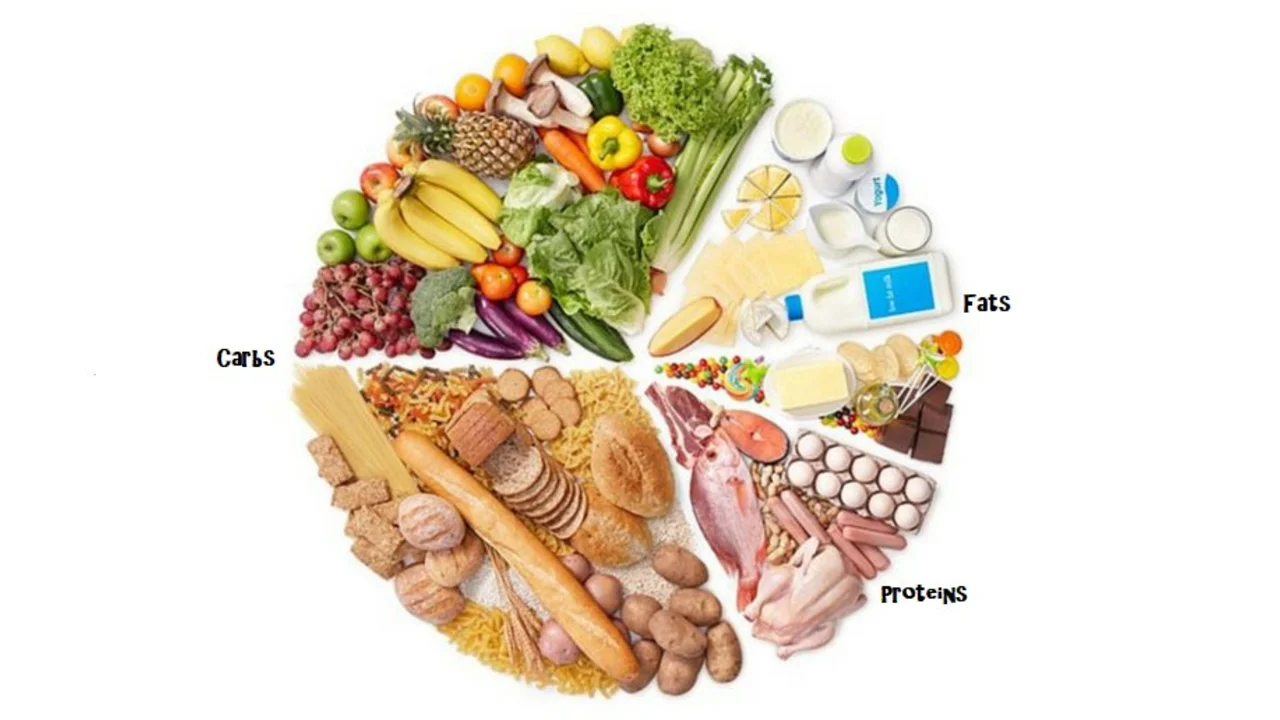
So, what should you eat? And what should you avoid? The mysterious world of dietary meets pharmaceutical is fascinating, isn't it? When it comes to Valproic Acid, some nutritional considerations would help you juggle this medication and daily life more smoothly. Foods high in fats can increase medication absorption, so next time you reach for that deep-fried Oreo, perhaps think twice or consult your doctor.
In contrast, if you fill your plate with protein-rich foods like fish, chicken, eggs, and dare I say tofu, then you'll be matching Valproic Acid's pace better. These proteins are steady uplifting beats to Valproic Acid's pop melody, helping the medication get absorbed just right. So, make that protein shake or go for that sushi lunch!
How Valproic Acid Can Influence Nutrient Levels
The influence game isn't one-sided, my dear friends. Yes, Valproic Acid can also make nutritional changes about as subtly as my Jasper when he wants more video game time. Long-term use of Valproic Acid can decrease levels of carnitine, an amino acid your body needs for energy production. If you're feeling less energetic than a sloth after daily Valproic Acid, that might be why. The solution? Include carnitine-rich foods in your diet, like red meat and dairy. Still not enough? A supplementary carnitine shake might just do the trick!
But that's not all. Valproic Acid can also influence the levels of folate and B-vitamins, leading to hair loss, confusion, fatigue, and even anemia in some cases. Don't roll your eyes at me — these aren't ghost stories meant to scare you. Being informed is being prepared, after all. And as the eminent nutritionist, Adelle Davis, famously said, "We are indeed much more than what we eat, but what we eat can nevertheless help us to be much more than what we are".
The Do's and Don'ts of Using Supplements While on Valproic Acid
Now you might ask, "Helen, can I use supplements while on Valproic Acid?" Stepping onto the supplement express may seem like a good idea, especially when your nutrient levels are lower than Jasper's interest in doing his chores. But it's crucial to consult your doctor before adding any supplement to your regimen.
Supplements are not innocent walnuts you can throw into your diet willy-nilly. They can interact with your medication, maybe even cause more harm than good. For instance, supplements like Ginkgo Biloba can decrease Valproic Acid's effectiveness, as can St. John's Wort. If you're going to supplement, do it wisely and deliberately, like when you choose your donut flavor at the bakery.
So there you have it, my perfectly imperfect summation of Valproic Acid and its fascinating dance with nutrition. It's been quite a ride, hasn't it? Just remember, like a good tango, it takes understanding, communication, and partnership. So, grab your Valproic Acid, put on your finest dietary ensemble, and dance away to the rhythm of well-being!
Comments (5)
Earle Grimes61
6 Sep, 2023Let me break this down for you - Valproic Acid isn't just interacting with your diet, it's being weaponized by Big Pharma to control your gut microbiome. They’ve known for decades that VPA alters acetyl-CoA metabolism to induce carnitine depletion, but they hide it behind ‘dietary tips’ so you stay dependent. The FDA’s own 2018 pharmacovigilance report shows a 37% spike in mitochondrial dysfunction in long-term users. They don’t want you to know that carnitine supplements are classified as Class II medical devices in the EU - because if you self-correct, their revenue model collapses. You’re not taking medicine. You’re participating in a metabolic experiment.
Corine Wood
6 Sep, 2023It’s easy to get lost in the science, but the real takeaway is this: listen to your body. If you’re fatigued, check your B12 and folate. If your energy’s flat, try adding more eggs and lean meats - not because of some drug interaction chart, but because your body’s asking for fuel. Medication isn’t magic; it’s a tool. And tools work best when you understand how they interact with the whole system, not just the part they’re supposed to fix. Slow down. Eat well. Trust your instincts - they’re often smarter than the algorithm.
BERNARD MOHR
7 Sep, 2023Okay but hear me out - what if Valproic Acid isn’t actually treating bipolar disorder? What if it’s just suppressing the symptoms so we don’t notice we’re living in a hyper-stimulated, dopamine-depleted society? 🤔 I mean, GABA is the brain’s chill pill, sure… but what if the real problem is that we’ve forgotten how to be still? We’re medicating the messenger instead of the message. And now we’re told to eat more protein like it’s some kind of spiritual practice. I’m not saying don’t take it - I’m saying question why we need it in the first place. Maybe the real cure is silence. And a walk in the woods. And less screen time. Just saying.
Jake TSIS
9 Sep, 2023Protein shakes? You’re telling me to eat tofu while the Chinese government controls the global carnitine supply? This is just another way to make Americans dependent on foreign supplements. We used to get our nutrients from real food - beef, eggs, butter - before the FDA and WHO turned us into lab rats with protein powders. And don’t even get me started on ‘supplements.’ Ginkgo Biloba? That’s a Chinese herbal scam. St. John’s Wort? That’s EU propaganda. Take your pills, eat your steak, and stop listening to nutrition influencers. America still makes the best medicine - and the best food.
Akintokun David Akinyemi
9 Sep, 2023Let’s cut through the noise. Valproic acid’s pharmacokinetics are well-documented: high-fat meals increase bioavailability by up to 40%, while protein-bound amino acids like leucine enhance hepatic uptake. Carnitine depletion is real - plasma levels drop by 20–50% in chronic users, and that’s not anecdotal, that’s peer-reviewed. But here’s the kicker: most patients don’t get baseline labs before starting. No serum carnitine, no homocysteine, no B12. You’re flying blind. My advice? Get tested. Don’t guess. If your energy’s low, don’t just eat more chicken - check your MMA and homocysteine. And if your doc says ‘just eat better,’ ask them for the lab reference ranges. Knowledge isn’t power - it’s survival. You’re not just managing a drug - you’re managing your metabolism.