
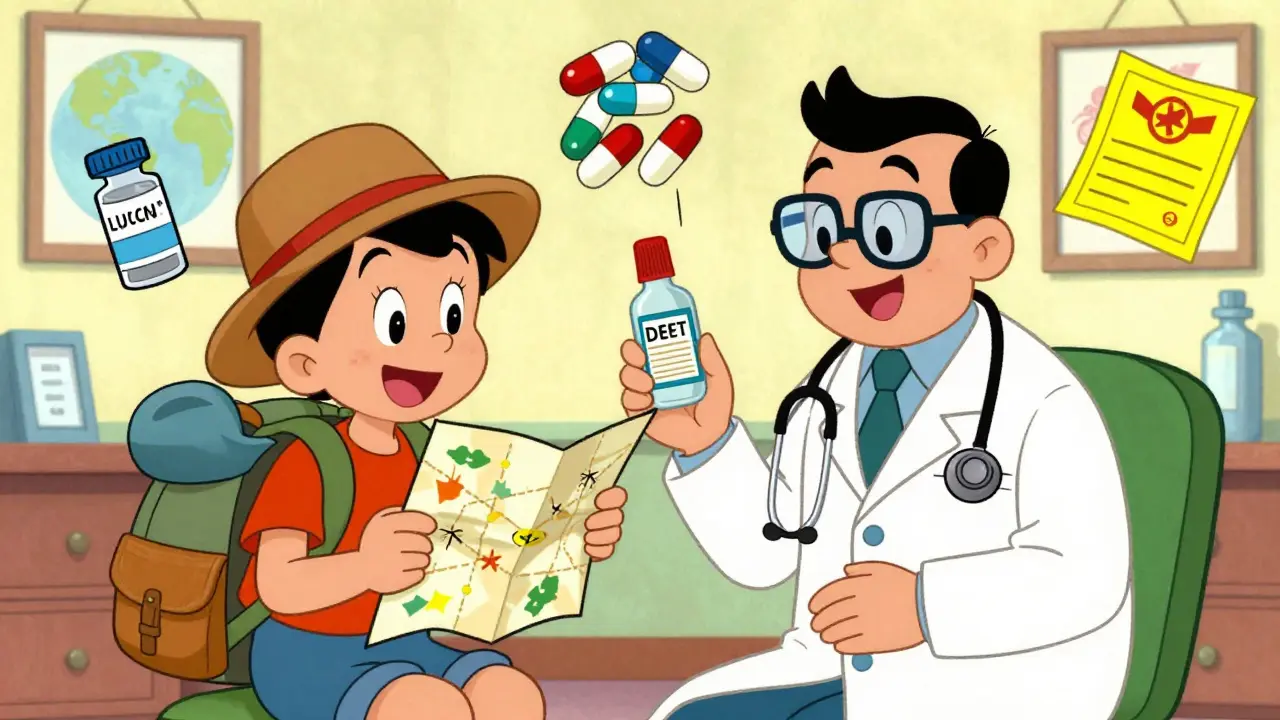
Planning a trip abroad? Skipping a travel health clinic could put you at risk-especially if you’re heading to a place where diseases like malaria, yellow fever, or traveler’s diarrhea are common. Most people think their regular doctor can handle travel advice, but that’s not enough. Travel health clinics are built for this exact purpose: they know exactly which medications you need, when to start them, and how to avoid dangerous mistakes that could ruin your trip-or worse.
Why a Travel Health Clinic Is Different From Your Regular Doctor
Your family doctor might give you a general checkup and a few vaccine recommendations, but they don’t track the latest disease outbreaks in remote parts of Southeast Asia or know which malaria drugs are failing in certain regions of Africa. Travel health clinics do. They update their guidelines every quarter based on real-time data from the CDC and WHO. A 2022 study in the Journal of Travel Medicine found that travelers who used specialized clinics had 72% fewer illnesses during their trips compared to those who didn’t. For example, if you’re going to Ghana, your doctor might say, “Take malaria pills.” A travel clinic will tell you: Atovaquone-proguanil (Malarone) is the best choice right now because resistance to older drugs like chloroquine is high there. They’ll also tell you to start taking it one day before you leave-not two weeks before, like with mefloquine-and to keep taking it for seven days after you return. Get the timing wrong, and you’re not protected.What Happens During a Travel Health Clinic Visit
A typical visit lasts 30 to 45 minutes. You won’t be handed a pamphlet and sent on your way. Instead, the provider will ask detailed questions:- Where exactly are you going? (Not just “Thailand”-but Bangkok, Chiang Mai, and rural northern provinces)
- How long will you be there?
- What are you doing? (Hiking in the Andes? Sleeping in hostels? Eating street food?)
- Do you have any chronic conditions? (Diabetes, asthma, immune disorders?)
- What medications are you already taking?
- Vaccines: Yellow fever (required in some countries), typhoid, hepatitis A, rabies
- Prophylactic meds: Anti-malarials, altitude sickness pills like acetazolamide
- Emergency meds: Azithromycin for traveler’s diarrhea (500 mg once daily for 3 days, only if symptoms start)
- Supplies: Water purifiers, insect repellent with 40% DEET, first aid kit recommendations
Timing Is Everything-Start Early
You can’t just walk in the week before your trip and expect to be ready. Many vaccines need time to work. The yellow fever vaccine requires at least 10 days to build immunity. Some malaria drugs, like doxycycline, need to start 1-2 days before travel, but others, like mefloquine, need to start 2-3 weeks ahead. If you wait too long, you might miss the window entirely. The CDC and Mayo Clinic both recommend booking your appointment 4 to 8 weeks before departure. That’s not a suggestion-it’s the minimum. If you’re traveling to a high-risk area like sub-Saharan Africa, starting even earlier gives you time to manage side effects. For example, mefloquine can cause dizziness or anxiety in some people. If you start it early, you can switch to another drug if needed, without scrambling. Even if you’re leaving in two weeks, don’t skip the clinic. UC Davis says a last-minute visit is still better than nothing. You might not get all your vaccines, but you can still get prescriptions for emergency meds and advice on food and water safety.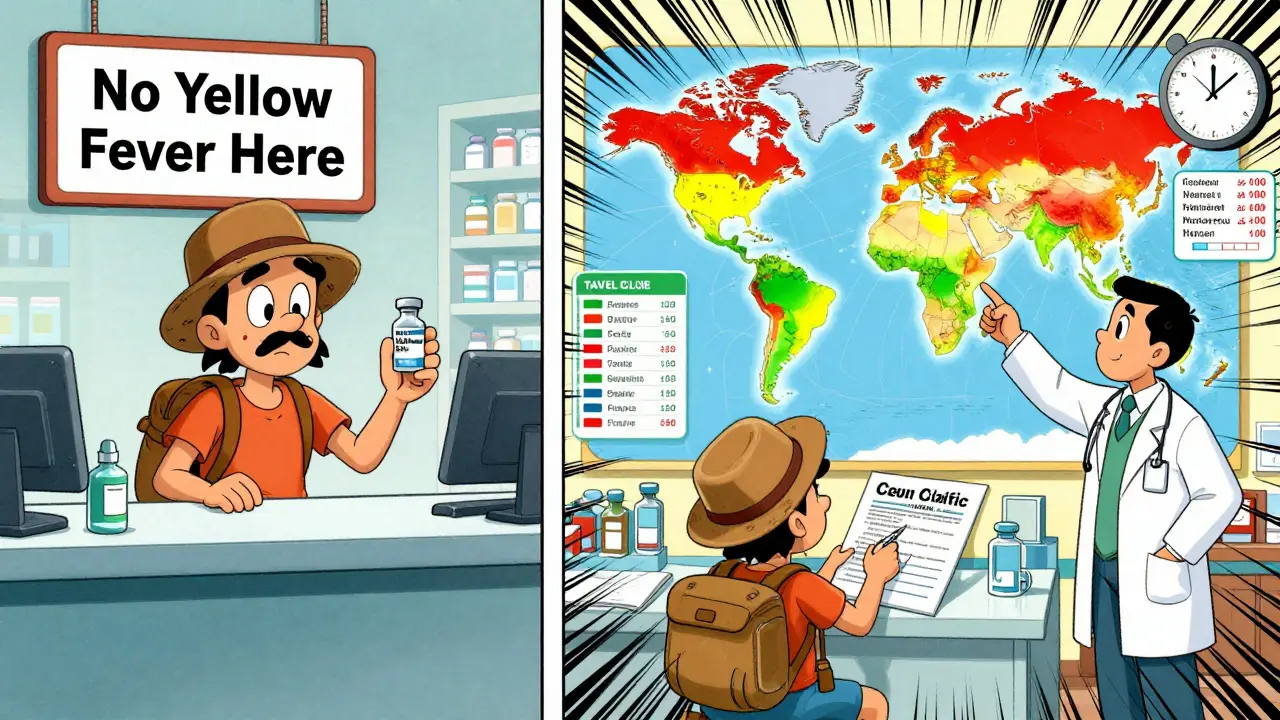
What to Bring to Your Appointment
Show up prepared. The more info you give, the better your plan will be. Bring:- Your complete travel itinerary (dates, cities, activities)
- A list of all current medications (including supplements)
- Your vaccination record (if you have it)
- Any known allergies or past reactions to medicines
- Details about chronic conditions (e.g., “I have lupus and take prednisone”)
Costs and Where to Go
Travel clinics aren’t cheap, but they’re worth it. Here’s how prices break down in 2026:| Provider Type | Average Cost | Insurance Coverage | Best For |
|---|---|---|---|
| University-affiliated clinics (UCLA, UC Davis) | $150-$250 | Usually not covered | Complex itineraries, chronic conditions |
| Mayo Clinic / Kaiser Permanente | $180-$220 | Only for members | Comprehensive care, virtual options |
| CVS MinuteClinic / Walgreens | $129 | Often covered | Simple trips, standard vaccines |
| Private travel clinics | $140-$300 | Varies | High-risk destinations, custom plans |
Common Mistakes to Avoid
Even smart travelers mess up. Here are the biggest errors:- Skipping malaria pills after returning-You must finish the full course, even if you feel fine. Stopping early increases your risk of getting sick weeks later.
- Buying meds online-Counterfeit anti-malarials are common in Southeast Asia. Get yours from the clinic and carry them in your carry-on.
- Not checking if your destination requires proof of vaccination-Some countries, like Brazil or Uganda, won’t let you in without a yellow fever card. The clinic gives you the official International Certificate of Vaccination. Keep it with your passport.
- Assuming one-size-fits-all meds-Doxycycline isn’t safe for kids under 8 or pregnant women. Malarone is expensive but safer for most. The clinic picks the right one for you.
What Happens After Your Visit
You’ll leave with:- Prescriptions for all necessary medications
- Written instructions for when and how to take them
- A vaccination record stamped and signed
- Emergency contact info for medical help abroad
- Advice on what to do if you get sick while traveling
Special Cases: Chronic Illness, Pregnancy, Kids
If you have diabetes, heart disease, or are pregnant, your needs are more complex. A travel clinic will coordinate with your primary doctor. For example, if you’re on blood thinners and heading to a place with high dengue risk, they’ll advise against certain mosquito repellents that could interact with your meds. They’ll also check if your insulin needs refrigeration and how to keep it cool during long flights. For kids, they’ll adjust dosages and recommend safe alternatives. No one should give children mefloquine-it’s not approved for under 15. Instead, they’ll use atovaquone-proguanil, which is safe from 5 kg (about 11 lbs) upward.The Future of Travel Health
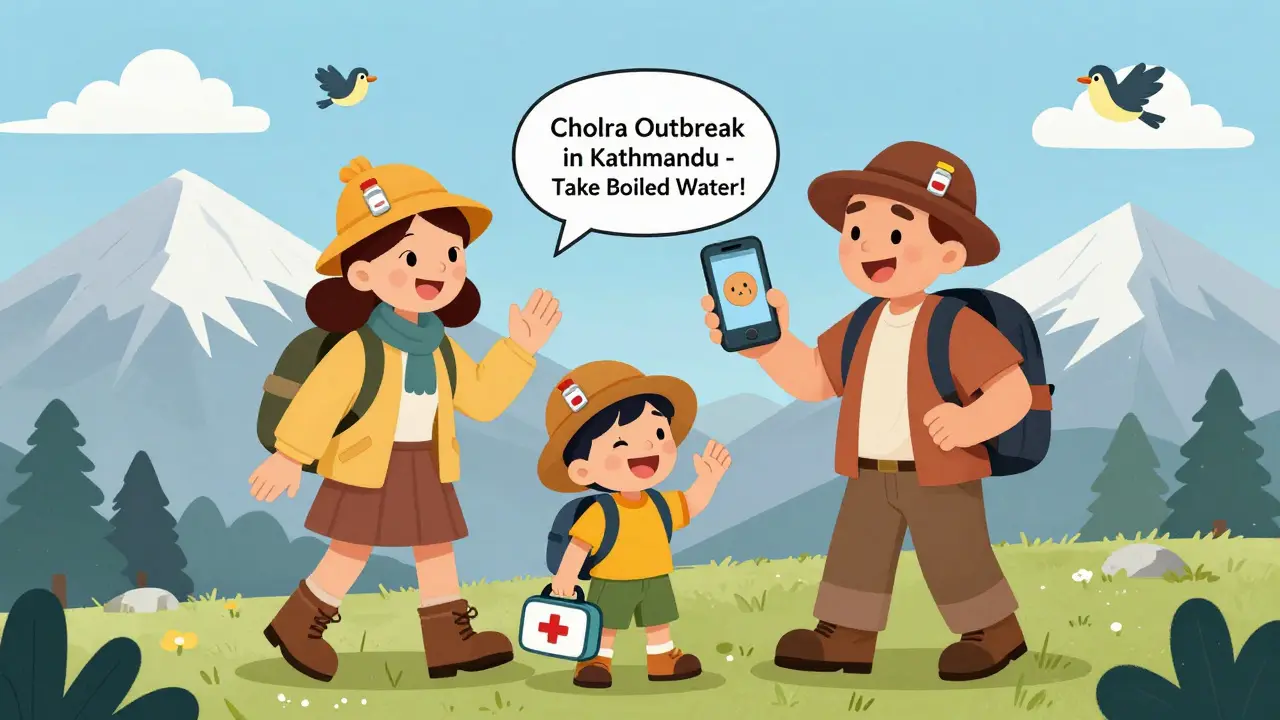
Travel clinics are getting smarter. Stanford is testing genetic tests to see how your body processes antimalarials. Some clinics now use AI tools that pull real-time data from WHO outbreak alerts and adjust recommendations on the spot. By 2026, the CDC expects 80% of clinics to use these tools. You might even get a personalized alert on your phone if a new case of cholera pops up in your destination city. But the core hasn’t changed: personalized advice, timing, and accuracy still save lives. No app or website can replace a trained specialist who looks at your full history and your exact route.Do I really need a travel health clinic if I’m just going to Europe?
For most Western European countries, you won’t need vaccines or special meds beyond routine ones like tetanus. But if you’re hiking in remote areas, staying in hostels, or planning to eat raw dairy, a clinic can still advise on food/water safety and give you a prescription for traveler’s diarrhea meds. It’s not always about disease-it’s about being prepared.
Can I get all my travel vaccines from my local pharmacy?
You can get routine vaccines like hepatitis A or typhoid at pharmacies like CVS or Walgreens. But if you need yellow fever, rabies, or specialized malaria prophylaxis, you must go to a certified travel clinic. Only registered clinics can give the yellow fever vaccine-and you need the official certificate to enter some countries.
What if I forget to take my malaria pills?
If you miss one dose, take it as soon as you remember. If it’s been more than 24 hours, skip the missed dose and resume your regular schedule. Never double up. But if you miss multiple doses, especially in a high-risk area like sub-Saharan Africa, you’re at serious risk. The CDC says 28% of preventable malaria cases happen because travelers didn’t take their pills correctly. Always carry a backup prescription.
Are travel clinic visits covered by insurance?
Usually not. The consultation fee is often out-of-pocket. But some insurance plans cover the cost of vaccines themselves. Check with your provider. Retail clinics like CVS may accept insurance for vaccines, but not for the full consultation. The $150-$250 fee is for the expert assessment-not just the shots.
How do I find a certified travel health clinic near me?
Use the CDC’s Travel Health Clinic Finder or the International Society of Travel Medicine’s directory. Both list certified providers by zip code. Look for clinics affiliated with hospitals, universities, or those explicitly marked as CDC-registered for yellow fever. Avoid clinics that don’t ask detailed questions about your trip-they’re not doing their job.
Comments (12)
steve rumsford
6 Jan, 2026Man i just booked my trip to thailand next month and was gonna skip this whole thing. now im scared to even pack my bag.
Paul Mason
7 Jan, 2026Look i get it you wanna feel smart but most people just need typhoid and malaria pills. you dont need a whole 45 minute consult to tell you dont eat street food in hanoi. my cousin went to vietnam with a backpack and a bottle of hand sanitizer and came back fine. stop scaring people.
Aparna karwande
9 Jan, 2026Oh so now we're paying american clinics $250 to tell us what our grandparents knew without a single vaccine? In India we've been traveling to africa and southeast asia for decades with nothing but neem oil and turmeric. Your overpriced clinics are just a capitalist scam dressed up as science. And dont even get me started on how they push expensive pills no one needs.
Vince Nairn
10 Jan, 2026ive been to 17 countries and never once stepped foot in a travel clinic. still breathing. still pooping normally. the real risk is spending your entire vacation worrying about microbes instead of actually experiencing the place.
Ayodeji Williams
11 Jan, 2026bro i just got back from cambodia and i took one malaria pill and it was fine 🤷♂️ but i did eat raw chicken and drank tap water so maybe im just lucky 😅
Kyle King
12 Jan, 2026you know what they dont tell you? the cdc and who are controlled by big pharma. those "recommended" vaccines? theyre just profit machines. the real reason you need to go to a clinic is so they can upsell you on $300 pills that dont even work. i skipped it all and my body built natural immunity. they dont want you to know that.
Kamlesh Chauhan
13 Jan, 2026why are we even talking about this its just a trip you dont need all this nonsense just bring some boric acid and youll be fine
Emma Addison Thomas
14 Jan, 2026I visited a travel clinic before going to peru and it was honestly the most thoughtful prep i’ve ever done for a trip. They asked about my anxiety meds and adjusted my malaria prophylaxis. It felt less like a medical appointment and more like someone actually cared about my safety. Worth every penny.
Mina Murray
15 Jan, 2026you think they're just giving you advice? no. they're tracking your dna through your vaccination records. next thing you know your biometrics are linked to a global health database and they'll deny you boarding if you 'don't comply'. i got my yellow fever shot from a guy in a van in mexico city. same certificate. no paperwork. no surveillance.
Rachel Steward
17 Jan, 2026Let’s be real - this whole system is performative safety. You’re not protecting yourself from disease; you’re performing compliance. The real threat isn’t malaria - it’s the illusion that you can control nature through pharmaceuticals and bureaucracy. People die on planes from blood clots from sitting too long, but no one makes you get a clotting consult. Why? Because the system doesn’t profit from that. This isn’t medicine. It’s a ritual.
Christine Joy Chicano
19 Jan, 2026I just found out my travel clinic in Portland actually uses AI to cross-reference WHO outbreak alerts with my itinerary. It flagged a new dengue case in Bali that wasn’t even in the news yet. I got a different repellent recommendation and switched my hotel. I didn’t get sick. That’s not magic - that’s precision. Why settle for guesswork when you can have data?
Anastasia Novak
20 Jan, 2026Wow. So now we're paying $250 to be told not to drink the water? I'm sure the guy at the gas station in Laos knew that too. This isn't healthcare - it's tourism theater. You're not a patient. You're a consumer of fear packaged as expertise. The real health risk? Spending your life paying for things that make you feel safe but don't actually change the odds.