
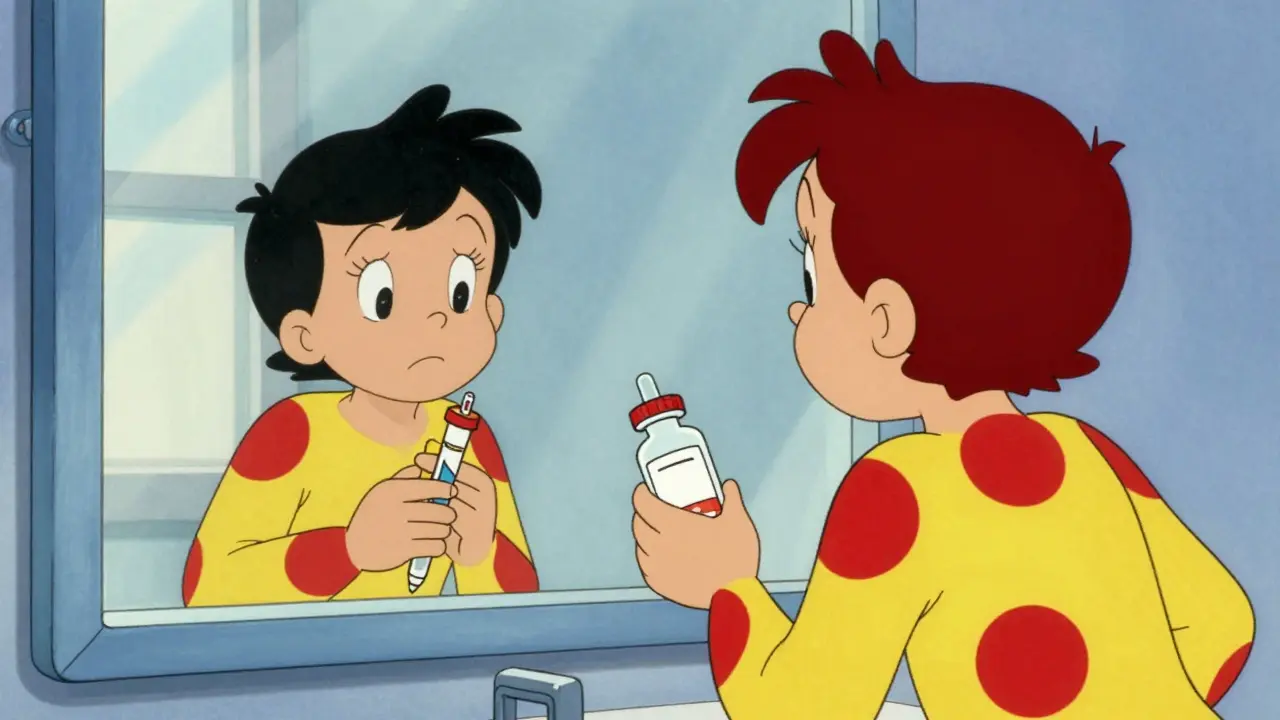
Medication Rash Symptom Checker
Symptom Assessment
This tool helps you determine if your rash requires urgent medical attention based on symptoms described in the article.
Results will appear here
medication rash is a skin reaction caused by taking certain drugs. According to the Merck Manual (2023), about 2-5% of all adverse drug reactions involve the skin. These rashes can range from mild itching to life-threatening blistering, making it crucial to recognize early.
Did you know that nearly 1 in 5 people taking antibiotics develop a rash? For many, this is a sign of medication-induced dermatitis. While most rashes aren't dangerous, some can be life-threatening. Knowing what to look for and when to act can make all the difference.
Common Types of Medication Rashes and Symptoms
Not all drug rashes look the same. The type of rash depends on the medication and your body's reaction. Here are the most common types:
Erythematous rash is the most common. It shows up as red bumps or spots, usually symmetric on the chest, arms, or legs. It often appears 4-14 days after starting a medication. Common culprits include penicillin antibiotics and sulfonamides. Most cases are mild and go away once you stop the drug.
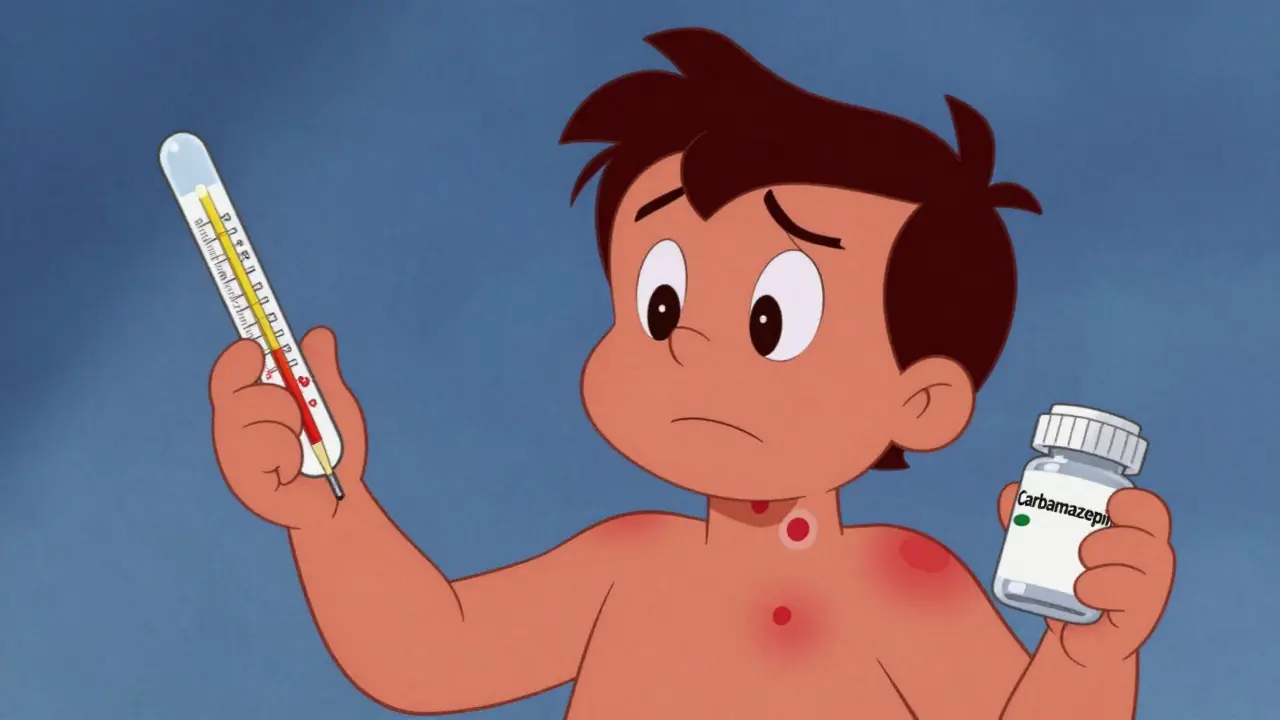
DRESS syndrome is more serious. It includes fever, rash, swollen glands, and sometimes organ damage. Symptoms usually start 2-6 weeks after taking the medication. Antiepileptic drugs like carbamazepine (35% of cases), phenytoin (25%), and lamotrigine (20%) are frequent causes. This reaction affects about 1 in 1,000 to 10,000 drug exposures but accounts for 18% of inpatient skin reactions.
Stevens-Johnson Syndrome (SJS) and Toxic Epidermal Necrolysis (TEN) are severe reactions. They cause blistering, peeling skin, and damage to mucous membranes. SJS has a 5-15% mortality rate, while TEN has 25-35%. Common triggers include allopurinol, sulfonamides, and anticonvulsants. These reactions require intensive care and can be fatal.
Drug-induced urticaria (hives) appears as raised, red, itchy welts. It usually happens within hours of taking a medication. NSAIDs like ibuprofen and opioids like morphine are common causes. Most cases clear up within 24-48 hours after stopping the drug.
Nummular dermatitis forms coin-shaped red patches that may be dry or oozing. It often occurs 1-2 weeks after starting diuretics or beta-blockers. Unlike regular eczema, drug-induced nummular dermatitis usually clears within 4-8 weeks after stopping the medication.
| Type | Typical Symptoms | Onset Time | Common Culprits | Severity |
|---|---|---|---|---|
| Erythematous | Red bumps, symmetric, itchy | 4-14 days | Penicillin, sulfonamides | Mild |
| DRESS syndrome | Fever, rash, swollen glands, organ involvement | 2-6 weeks | Carbamazepine, allopurinol, sulfonamides | Severe |
| SJS/TEN | Blisters, peeling skin, mucous membrane damage | 1-3 weeks | Allopurinol, sulfonamides, anticonvulsants | Very severe |
| Urticaria (hives) | Raised, red welts, itching | Minutes to hours | NSAIDs, opioids | Moderate |
| Nummular dermatitis | Coin-shaped red patches | 1-2 weeks | Diuretics, beta-blockers | Mild to moderate |
High-Risk Medications That Cause Skin Reactions
Some medications are more likely to cause rashes than others. Penicillin antibiotics account for 10% of all drug rashes. NSAIDs like ibuprofen and naproxen cause 25% of non-allergic drug reactions. Antiepileptic drugs such as carbamazepine (35% of DRESS cases), phenytoin (25%), and lamotrigine (20%) are common triggers for severe reactions. Allopurinol, used for gout, is responsible for 5% of all drug rashes and significantly increases the risk of SJS/TEN in certain genetic populations.
For example, people with the HLA-B*1502 gene variant (common in Southeast Asian populations) have a 1,000 times higher risk of developing SJS from carbamazepine. Similarly, those with HLA-B*5801 (prevalent in Han Chinese) face a 580 times higher risk of allopurinol-induced SCARs. Genetic testing can help identify high-risk individuals before starting these medications.
Other high-risk drugs include sulfonamides (8% of drug rashes), chemotherapy agents, and certain antibiotics like vancomycin. Always tell your doctor about all medications you're taking, including supplements, as interactions can increase rash risk.
What to Do If You Notice a Rash
First, don't panic. Most medication rashes are mild and harmless. But you should take action:
- Don't stop taking prescribed medication without consulting your doctor. Abruptly stopping drugs like antiepileptics can cause seizures.
- Contact your healthcare provider immediately. They can determine if the rash is drug-related and advise next steps.
- For mild rashes, your doctor might recommend over-the-counter hydrocortisone cream (1%) applied twice daily or antihistamines like loratadine.
- Avoid sun exposure if the rash is photosensitive. Tetracyclines, fluoroquinolones, and diuretics can make skin more sensitive to UV light.
If you have a viral infection (like Epstein-Barr virus or HIV) and take antibiotics, your risk of severe rash increases 5-10 times. Similarly, people with weakened immune systems (from cancer or HIV) have 3-5 times higher susceptibility. Always mention your medical history to your doctor.
When to Seek Emergency Care
Some rashes require immediate medical attention. Call 911 or go to the ER if you experience:
- Facial swelling or difficulty breathing
- Blisters covering large areas of skin
- Peeling skin similar to a severe sunburn
- Fever over 102°F (39°C) with rash
- Painful sores in the mouth, eyes, or genitals
These symptoms could indicate Stevens-Johnson Syndrome, Toxic Epidermal Necrolysis, or anaphylaxis. Delaying treatment can be life-threatening. Remember, 90% of drug rashes resolve within 1-2 weeks after stopping the medication, but severe reactions need urgent care.
Preventing and Managing Medication Rashes
Here are practical steps to reduce your risk:
- Keep a list of all medications you take, including over-the-counter drugs and supplements. Share this with every healthcare provider.
- Ask your doctor about potential side effects before starting a new medication. Some drugs have known high-risk profiles.
- For antibiotics, especially penicillin, skin testing can identify true allergies. Recent advances show skin testing identifies 95% of true penicillin allergies, reducing unnecessary avoidance.
- If you've had a rash from a drug before, inform your doctor. They may choose alternative medications.
- Patients taking 5+ medications have a 35% lifetime risk of developing a drug rash compared to 5% for those on 1-2 medications. Simplifying your medication regimen can lower this risk.
For mild rashes, use lukewarm baths with non-soap cleansers and apply emollients within 3 minutes of bathing. Avoid scratching to prevent infection. Severe cases may require prescription-strength steroids like clobetasol or systemic prednisone under medical supervision.
How long does a medication rash usually last?
Most medication rashes resolve within 1-2 weeks after stopping the causative drug. Mild reactions like erythematous rashes or urticaria often clear up in a few days. Severe cases like DRESS syndrome may take 3-6 weeks to heal, even with treatment. Always follow your doctor's advice on discontinuing medication and monitoring symptoms.
Can I take the same medication again after having a rash?
It depends on the type of rash. For mild reactions like urticaria, your doctor might suggest trying the medication again under supervision. However, for severe reactions like SJS/TEN or DRESS syndrome, you should avoid the medication entirely. Genetic testing can help determine future risk for certain drugs. Never restart a medication that caused a severe rash without consulting your healthcare provider.
Are some people more likely to develop medication rashes?
Yes. People with weakened immune systems (such as those with HIV or cancer) have 3-5 times higher risk. Genetic factors also play a role: HLA-B*1502 increases carbamazepine-induced SJS risk by 1,000-fold in Southeast Asians, while HLA-B*5801 raises allopurinol-related SCAR risk by 580-fold in Han Chinese. Patients taking multiple medications (5+) have a 35% lifetime risk compared to 5% for those on 1-2 drugs. Always discuss your health history with your doctor.
What tests can confirm a drug rash?
Skin tests for penicillin allergy are 95% accurate and commonly used. For other drugs, patch testing or blood tests (like eosinophil count for DRESS) may help. However, there's no universal test for all drug rashes. Doctors often rely on timing, symptoms, and eliminating other causes. In severe cases, a skin biopsy can confirm the type of reaction. Always work with a dermatologist or allergist for accurate diagnosis.
How can I prevent future medication rashes?
Keep a detailed record of all medications you've taken and any reactions. Share this with every healthcare provider. Ask about potential side effects before starting new drugs. For antibiotics, consider penicillin skin testing if you've had a reaction. Avoid unnecessary medications, especially in polypharmacy situations. If you have known genetic risks (like HLA-B*1502), inform your doctor before taking certain antiepileptics. Always consult a specialist for personalized prevention strategies.
Comments (13)
anjar maike
6 Feb, 2026Got a rash from penicillin once 😊
Bella Cullen
7 Feb, 2026Antibiotics cause rashes. Docs don't warn patients enough. 😑
Arjun Paul
9 Feb, 2026Penicillin rash? You should've known better. Always check allergies first. Such a common reaction.
Samantha Beye
11 Feb, 2026I had a similar reaction. It's scary but usually goes away. Always consult a doctor though.
Nancy Maneely
12 Feb, 2026Check allergies? That's not enough! The system is broke! Docs ignore symptoms all the time. We need change! 🔥
Phoebe Norman
14 Feb, 2026Drug induced dermatitis common adverse reaction. Erythematous rash most frequent. DRESS syndrome severe. SJS/TEN life threatening. Monitor symptoms. Medical supervision.
Katharine Meiler
15 Feb, 2026Yes, monitoring is key. Eosinophilia in blood tests helps confirm DRESS. Skin biopsy for severe cases. Collaboration with specialists is essential.
Georgeana Chantie
15 Feb, 2026Docs don't care? That's not true in my country! US healthcare is best! 🇺🇸
Danielle Vila
16 Feb, 2026Jargon-heavy? This is all part of Big Pharma's scheme! They want you to trust them while they poison you! 😡
Carol Woulfe
17 Feb, 2026US healthcare? Pfft. Only the elite get proper care. The system is rigged. 😒
Thorben Westerhuys
18 Feb, 2026Big Pharma? Oh my god! It's all a conspiracy! They're poisoning us! Every single pill is dangerous! We need to wake up! 😭😭😭
Laissa Peixoto
19 Feb, 2026Medication rashes remind us how complex the human body is. Each reaction tells a story of our biology. Patience and understanding are key.
divya shetty
20 Feb, 2026Indeed, understanding the body's response is crucial. However, patients must take responsibility for their own health. Always consult professionals before self-diagnosing.