
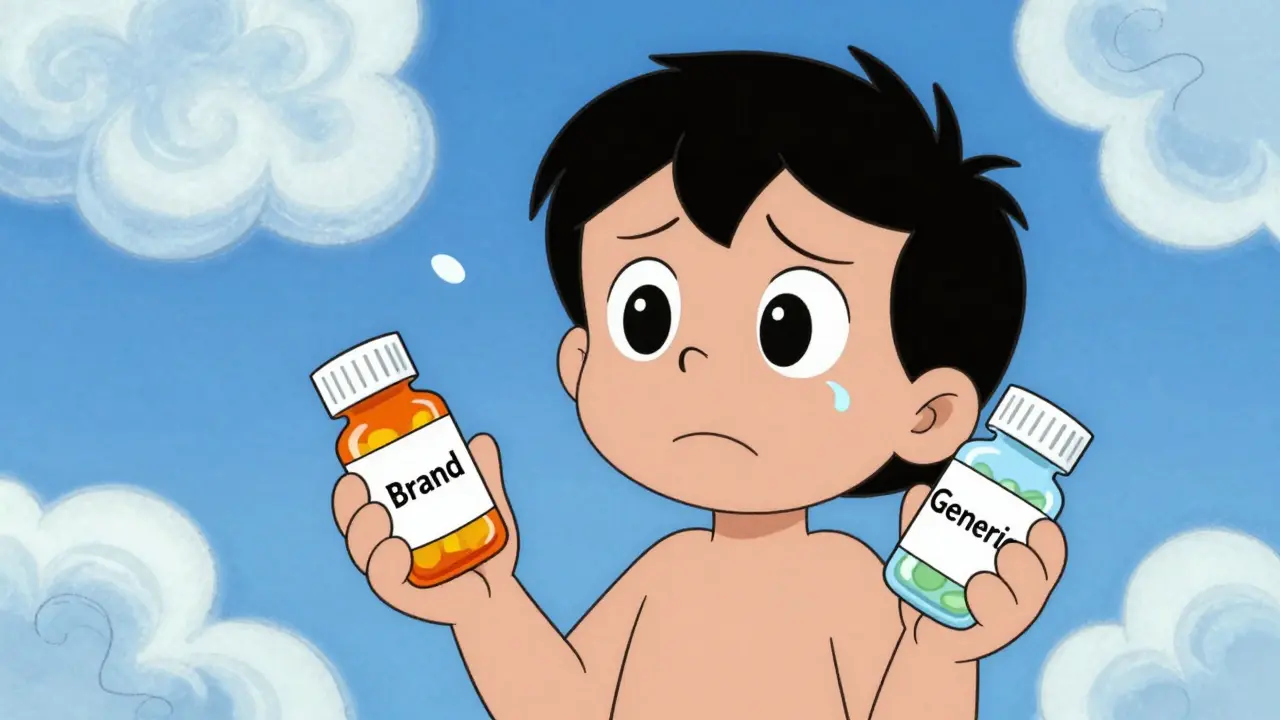
Switching from brand-name Dilantin to a generic version of phenytoin, or even swapping between two different generic manufacturers, is not as simple as swapping one coffee brand for another. For most medications, this switch happens seamlessly. But for phenytoin, a first-generation antiepileptic drug with a notoriously tricky chemical profile, it can be dangerous.
You might wonder why such a common practice requires so much caution. The answer lies in the drug’s narrow therapeutic index and its non-linear pharmacokinetics. Small changes in how your body absorbs the medication can lead to massive swings in blood concentration-either causing breakthrough seizures or triggering severe toxicity. This is why therapeutic drug monitoring (TDM) is absolutely critical when managing phenytoin therapy, especially during formulation changes.
The Science Behind the Sensitivity
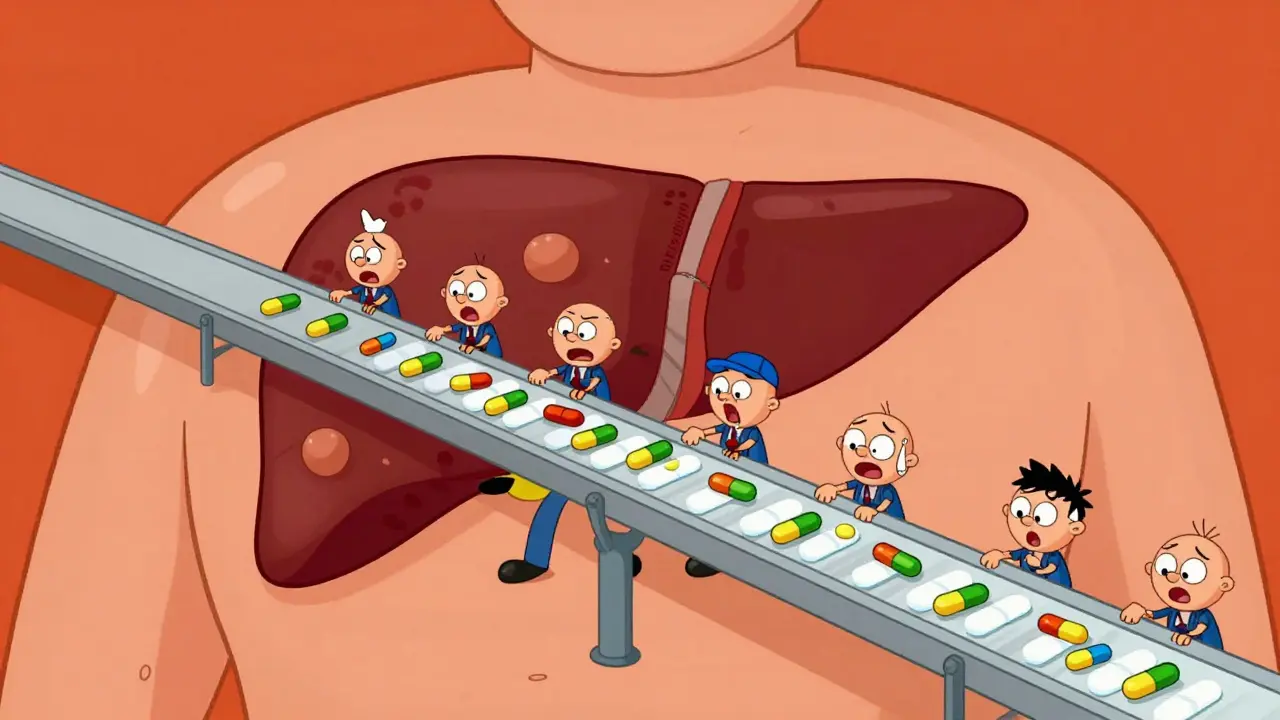
To understand why monitoring is mandatory, you need to look at how phenytoin behaves inside the body. Unlike many drugs that follow predictable rules, phenytoin operates on non-linear pharmacokinetics, also known as saturation kinetics.
At lower doses, your liver enzymes eliminate the drug at a steady rate. But once those enzymes become saturated-which often happens right around the therapeutic range-the elimination process shifts from first-order to zero-order kinetics. In plain English? Your body stops keeping up. A tiny increase in dose can cause serum levels to skyrocket because the metabolic pathway is maxed out.
This creates a narrow therapeutic index ranging from 10 to 20 mcg/mL. Below 10 mcg/mL, you risk seizures. Above 20 mcg/mL, you enter the danger zone for side effects. Because generic formulations are allowed by regulatory bodies like the FDA to have bioequivalence variations of up to 20% in absorption rates, a switch could easily push a patient from a safe level into toxicity-or vice versa.
| Factor | Impact on Therapy | Clinical Consequence |
|---|---|---|
| Narrow Therapeutic Index | Small dose changes cause large concentration shifts | Risk of sub-therapeutic efficacy or acute toxicity |
| Non-Linear Kinetics | Metabolic saturation leads to unpredictable accumulation | Zero-order elimination; half-life extends significantly at higher doses |
| High Protein Binding | 90-95% bound to albumin; only free fraction is active | Hypoalbuminemia increases active drug levels despite normal total readings |
| Generic Bioequivalence Variance | Up to 20% difference in absorption (AUC/Cmax) | Potential clinical significance due to narrow therapeutic window |
When and How to Monitor Levels
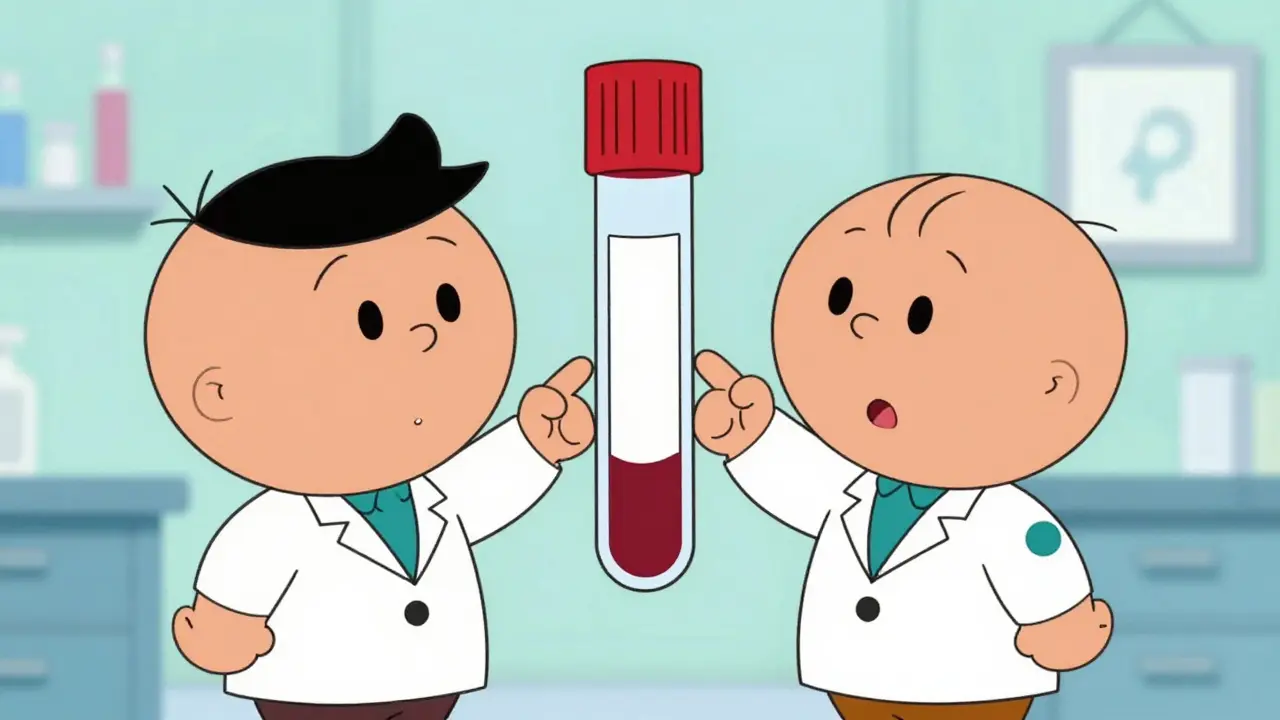
Timing is everything with phenytoin. You cannot simply draw blood whenever convenient. According to clinical guidelines from organizations like NHS Tayside and expert reviews in Sage Journals, you must respect the drug’s half-life and steady-state dynamics.
If you are initiating therapy or changing a dose, do not check levels immediately. It takes time for the drug to stabilize. Here is the practical timeline you should follow:
- Initial Check: Draw a level 2-3 days after starting or changing the dose. This isn't a steady-state level yet, but it helps identify if metabolism is severely abnormal.
- Steady-State Assessment: Check again 5 days after initiation or any dose change. By now, the drug should have reached equilibrium.
- After Formulation Switch: If switching from brand to generic or between generics, obtain a trough level before the switch. Then, repeat the trough level 5-10 days after the new formulation starts.
- Loading Doses: If an IV loading dose was given, check levels 2-4 hours post-infusion. For oral loads, wait 12-24 hours.
Always aim for a trough level, meaning the sample is taken just before the next scheduled dose. This provides the most accurate picture of the lowest concentration in your system, ensuring you aren't dipping below the seizure threshold.
The Albumin Trap: Total vs. Free Phenytoin
One of the biggest pitfalls in phenytoin monitoring is relying solely on "total" serum levels. Phenytoin is highly protein-bound, attaching itself to albumin in the blood. Only the unbound, or "free," fraction (about 10%) is pharmacologically active and capable of crossing the blood-brain barrier to stop seizures.
In patients with low albumin levels (hypoalbuminemia)-common in elderly patients, those with liver disease, or critically ill individuals-the total level might look normal, but the free level could be dangerously high. This can lead to toxicity symptoms even when standard lab reports say you're within range.
While there are correction formulas, such as the Winter-Tozer equation used by GGC Medicines, they are population-based estimates and may not reflect individual physiology accurately. The Specialist Pharmacy Service recommends measuring free phenytoin levels directly in these cases. The therapeutic range for free phenytoin is typically 1-2 mcg/mL. Ignoring this distinction can result in misdiagnosing toxicity as seizure activity or vice versa.
Recognizing Toxicity and Sub-Therapeutic Signs
Knowing what to look for clinically is just as important as reading the lab results. Phenytoin toxicity presents in stages, correlating roughly with serum concentrations:
- > 20 mcg/mL: Nystagmus (involuntary eye movements), particularly when looking far laterally.
- > 30 mcg/mL: Ataxia (loss of coordination), slurred speech, and nystagmus in primary gaze.
- > 40 mcg/mL: Decreased mentation, lethargy, and confusion.
- > 50 mcg/mL: Severe CNS depression, coma, and potentially death.
Conversely, sub-therapeutic levels manifest as breakthrough seizures. If a patient switches to a generic and suddenly experiences increased seizure frequency, do not assume it's just bad luck. It could be a bioavailability issue requiring immediate level checking and potential dose adjustment.
Drug Interactions That Complicate Monitoring
Phenytoin is metabolized by cytochrome P450 enzymes in the liver. This makes it highly susceptible to drug-drug interactions, which can further destabilize levels during generic switches if other medications are involved.
Enzyme Inhibitors (increase phenytoin levels):
- Amiodarone
- Cimetidine
- Fluconazole
- Sodium valproate
- Chloramphenicol
Enzyme Inducers (decrease phenytoin levels):
- Carbamazepine
- Rifampin
- Phenobarbital
- Alcohol (chronic use)
When switching formulations, ensure no new interacting medications have been started simultaneously. If they have, isolate variables by stabilizing the regimen before assessing the generic switch's impact.
Long-Term Health Monitoring Beyond Serum Levels
Therapeutic drug monitoring isn't just about daily serum levels. Chronic phenytoin use affects multiple organ systems. Regardless of whether you are on brand or generic, you need periodic comprehensive health checks every 2-5 years, including:
- Bone Health: Phenytoin accelerates vitamin D metabolism, leading to osteomalacia and hypocalcemia. Monitor vitamin D, calcium, and alkaline phosphatase levels.
- Liver Function: Regular liver function tests (LFTs) are essential due to the drug's hepatic metabolism and potential hepatotoxicity.
- Blood Counts: Full blood counts to watch for rare but serious conditions like agranulocytosis or aplastic anemia.
- Dental Health: Gingival hyperplasia (gum overgrowth) is a common side effect. Good oral hygiene and regular dental visits are crucial.
- Genetic Screening: For patients of Han Chinese or Thai origin, testing for the HLA-B*1502 allele is recommended before starting therapy to prevent Stevens-Johnson syndrome.
Practical Steps for Patients and Clinicians
If you are considering switching to a generic phenytoin, here is your action plan:
- Document Current Status: Record your current seizure frequency, side effects, and most recent stable serum level.
- Coordinate with Pharmacist: Ensure the pharmacy stocks a consistent manufacturer. Frequent manufacturer changes add unnecessary variability.
- Pre-Switch Level: Get a baseline trough level drawn 1-2 days before making the switch.
- Monitor Closely: Watch for signs of toxicity (dizziness, vision changes) or breakthrough seizures for the first 2 weeks.
- Post-Switch Level: Return for a trough level test 5-10 days after starting the new formulation.
- Adjust if Needed: Do not self-adjust doses. Work with your neurologist to fine-tune based on the new levels.
Is generic phenytoin as effective as brand-name Dilantin?
Generically manufactured phenytoin meets FDA bioequivalence standards, meaning it delivers similar amounts of the active ingredient into the bloodstream. However, due to phenytoin's narrow therapeutic index and non-linear kinetics, the allowable 20% variance in absorption can sometimes result in clinically significant differences for sensitive patients. Therefore, while generics are generally effective, they require closer monitoring during the transition period to ensure safety and efficacy.
How long does it take for phenytoin to reach steady state?
Because phenytoin has a long half-life (approximately 24 hours in adults with normal metabolism) and exhibits non-linear kinetics, it typically takes about 5 to 7 days to reach steady-state concentrations after starting therapy or making a dose adjustment. Checking levels before day 5 may provide inaccurate data regarding the final equilibrium level.
Why do I need a free phenytoin level instead of a total level?
You need a free phenytoin level if you have conditions that alter protein binding, such as hypoalbuminemia (low albumin), kidney failure, or liver disease. Since only the unbound drug is active, a normal total level in these patients might mask a toxic amount of free drug circulating in the brain. Free levels provide a more accurate reflection of pharmacological activity in these specific scenarios.
What are the signs of phenytoin toxicity?
Early signs include nystagmus (eye twitching) and slight dizziness. As levels rise, symptoms progress to ataxia (clumsiness/slurred speech), confusion, and lethargy. Severe toxicity (>40 mcg/mL) can cause coma and respiratory depression. If you experience sudden vision changes or loss of coordination, seek medical attention immediately.
Can I switch back to brand name if generic causes issues?
Yes, if a patient experiences adverse effects or breakthrough seizures after switching to a generic, clinicians often recommend returning to the original brand-name product or a different generic manufacturer. This decision should be made in consultation with your neurologist, followed by re-monitoring of serum levels to establish a new baseline.
Comments (15)
Anna Bartle
3 Jul, 2026Great summary! As a pharmacist, I see this confusion daily. Always check free levels if albumin is low!
Divya Prakash
4 Jul, 2026It is truly lamentable that the general populace remains so woefully ignorant regarding the intricate pharmacokinetic nuances of antiepileptic therapy, necessitating such pedestrian explanations for those who presumably possess even a modicum of intellectual curiosity. One must wonder if the regulatory bodies have entirely abdicated their responsibility in ensuring that bioequivalence standards are not merely theoretical constructs but practical safeguards against clinical catastrophe, especially when dealing with substances as volatile and unforgiving as phenytoin. The notion that a mere switch in manufacturer could precipitate such dramatic physiological shifts underscores a profound failure in our collective understanding of drug metabolism, a failure that is exacerbated by the pervasive complacency of both practitioners and patients alike who treat these medications as interchangeable commodities rather than precise chemical interventions. It is imperative that we recognize the sheer audacity required to suggest that any two formulations, regardless of their generic status, can be swapped without rigorous monitoring, for it is an act of negligence that borders on malpractice in its disregard for the narrow therapeutic index that defines this class of drugs. We must demand higher standards from pharmaceutical manufacturers and stricter adherence to therapeutic drug monitoring protocols, lest we continue to gamble with the neurological stability of vulnerable individuals who rely on these medications for their very survival and quality of life.
Peter Sverla
6 Jul, 2026I've been on Dilantin for years and never had issues switching. Is it really that bad?
Anna Bartle
7 Jul, 2026@Peter Sverla: For many, yes! But for some, the 20% variance hits hard. Better safe than sorry!
Ben Murphy
8 Jul, 2026The moral failing here is evident; society prioritizes cost over safety, ignoring the ethical imperative to protect patients from preventable harm through inadequate monitoring protocols.
Dawn Renee
8 Jul, 2026they dont want you to know that big pharma controls the generics too its all a conspiracy to keep us sick and dependent on their toxic chemicals while they profit from our suffering
Mohit Patil
9 Jul, 2026nah just another way they control us dont trust the labs either they falsify results to push more meds
Chandan Sharma
10 Jul, 2026One cannot simply dismiss the sophisticated interplay of hepatic enzymes and serum protein binding as mere 'side effects' without acknowledging the profound biochemical ballet that occurs within the human organism during phenytoin administration. It is a delicate dance of saturation kinetics and zero-order elimination, where the slightest misstep in dosage or formulation can lead to a catastrophic dissonance in neurological function, rendering the patient vulnerable to seizures or toxicity. This is not merely a medical issue but a testament to the complexity of human physiology, which demands respect and meticulous attention to detail from all healthcare providers involved in the management of such potent therapeutics. To overlook these subtleties is to engage in a form of intellectual laziness that has no place in modern medicine, where precision and evidence-based practice should reign supreme over convenience and cost-cutting measures.
Katie Dixon
12 Jul, 2026Honey, your body knows what's best! Listen to your gut feelings about the meds, not just the doctors who are just guessing anyway!
Chris Munton
13 Jul, 2026The systemic injustice of forcing patients to navigate these treacherous waters without adequate support is abhorrent, demanding immediate reform in how we approach generic substitution policies to ensure equitable access to safe and effective care for all individuals regardless of socioeconomic status or geographic location.
Amrithaa Thayaparan
14 Jul, 2026ur so naive if u think generics r safe its all about money and greed they dont care about ur health only their profits r important
Paul Diamond
14 Jul, 2026The philosophical implications of relying on statistical averages for individual treatment outcomes raise fundamental questions about the nature of medical certainty and the limits of scientific knowledge in addressing unique biological variations among patients.
Sydney Jarrett
14 Jul, 2026You're clearly missing the point about the bioavailability variance affecting the AUC significantly enough to cause clinical divergence in sensitive populations, which is a basic pharmacological concept that shouldn't need explaining to anyone with a passing interest in neurology.
Lorena Suarez
15 Jul, 2026i feel like people stress too much about this just take the med and hope for the best lol
Isis Fleming
16 Jul, 2026It is advisable to consult with your healthcare provider before making any changes to your medication regimen, as they can provide personalized guidance based on your specific medical history and current health status.