

Imagine your body is screaming for rest while the clock says it’s time to be alert. For millions of people, this isn’t a metaphor-it’s their daily reality. Shift Work Sleep Disorder (SWSD) is not just about being tired; it is a recognized medical condition where your internal clock clashes with your work schedule. If you work nights or rotating shifts, you know that feeling of dragging yourself out of bed during the day, only to stare at the ceiling when you finally try to sleep. You are not alone, and more importantly, this struggle has solutions.
The human body runs on a circadian rhythm, a 24-hour internal cycle that regulates hormones like melatonin and cortisol. When you force this system to operate against its natural design-working when the sun is up and sleeping when it’s dark-you create a state of chronic misalignment. This isn’t just inconvenient; it affects your safety, your relationships, and your long-term health. But understanding the mechanics of SWSD is the first step toward taking control back from the clock.
Understanding the Science Behind Your Fatigue
To manage SWSD, you first need to understand what is happening inside your body. It’s not a character flaw or a lack of willpower. It is biology. Your brain has a tiny region called the suprachiasmatic nucleus (SCN), which acts as your master clock. The SCN relies heavily on light cues to tell your body when to wake up and when to wind down.
When you work night shifts, you are exposed to bright artificial light during hours when your body expects darkness. This exposure suppresses melatonin production by up to 85%. Melatonin is the hormone that signals sleepiness. Without it, falling asleep becomes a battle. Meanwhile, your cortisol levels-the stress hormone that should peak in the morning to wake you up-remain low during your shift and high when you try to sleep. This hormonal mismatch explains why you feel wired but exhausted, a state many shift workers describe as "tired but wired."
Research from the National Institute for Occupational Safety and Health (NIOSH) shows that nearly 30% of night shift workers experience moderate to severe sleepiness compared to just 8% of day workers. This gap highlights that SWSD is a widespread occupational hazard, not an individual failure. Recognizing this distinction helps remove the guilt often associated with struggling to sleep.
Recognizing the Signs: Is It Just Tiredness?
Distinguishing between normal fatigue and Shift Work Sleep Disorder can be tricky. Everyone feels tired occasionally. However, SWSD presents specific symptoms that persist over time. According to clinical guidelines, if these symptoms last for at least one to three months and are directly linked to your work schedule, it may be SWSD.
- Persistent Insomnia: Difficulty falling asleep, staying asleep, or waking up too early despite having enough time to rest.
- Excessive Daytime Sleepiness: Unintended dozing off during commutes, meetings, or even while driving. This is a major safety risk.
- Cognitive Impairment: Trouble concentrating, memory lapses, and slower reaction times. You might find yourself making errors you wouldn’t normally make.
- Mood Disturbances: Increased irritability, anxiety, or feelings of depression due to chronic sleep deprivation.
- Physical Symptoms: Headaches, digestive issues, and a weakened immune system, leading to frequent colds or illnesses.
If you identify with several of these points, especially the excessive sleepiness during critical tasks, it is time to treat your sleep hygiene with the same seriousness as your job performance.
Mastering Light Exposure: Your Most Powerful Tool
Light is the primary lever you have to adjust your circadian rhythm. Used correctly, it can help shift your internal clock. The goal is to trick your body into thinking it’s nighttime when you want to sleep, and daytime when you want to be awake.
During Your Night Shift: You want to stay alert. Bright light stimulates the brain and suppresses melatonin. Aim for exposure to bright light (2,000-10,000 lux) during the second half of your shift. If your workplace lighting is dim, consider using a portable light therapy lamp at your workstation. This helps keep your energy levels stable and reduces the crash that often hits around 4 AM.
On Your Way Home: This is crucial. As soon as your shift ends, put on blue-light-blocking sunglasses. These glasses block the wavelengths of light that trigger wakefulness. By wearing them until you reach home, you prevent sunlight from resetting your clock to "day mode," allowing your body to start producing melatonin so you can sleep.
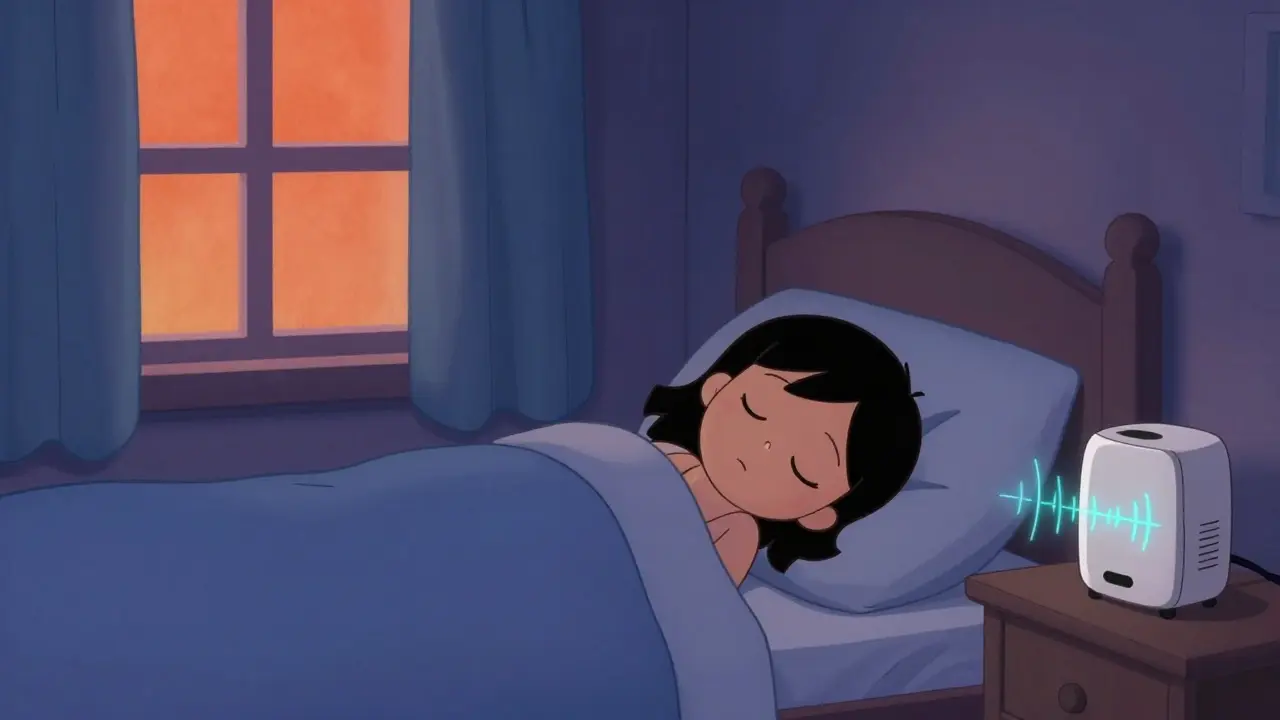
In Your Bedroom: Your sleep environment must mimic deep night. Use blackout curtains that cover every inch of the window. Even small gaps of light can disrupt sleep quality. Consider an eye mask if necessary. Silence is equally important; use white noise machines or earplugs to drown out daytime sounds like lawnmowers, traffic, or neighbors.

Strategic Napping and Caffeine Management
Napping is not a sign of weakness; it is a strategic tool for shift workers. A well-timed nap can significantly boost alertness without causing sleep inertia-that groggy feeling when you wake up.
The most effective strategy is the "90-minute rule." If possible, take a 20- to 30-minute power nap before your shift starts. This provides a quick energy boost. Alternatively, if your workplace allows, a short nap during a break can help reset your alertness levels. Avoid napping for longer than 45 minutes, as entering deep sleep makes it harder to wake up fully.
Caffeine is another double-edged sword. It works best when used strategically. Limit caffeine intake to the first half of your shift. Stop consuming coffee or energy drinks at least six to eight hours before your planned sleep time. Caffeine has a half-life of about five hours, meaning half of it is still in your system long after you’ve finished your cup. Consuming it late in the shift will sabotage your ability to fall asleep.
Nutrition for Night Shift Workers
What and when you eat matters just as much as how you sleep. Eating heavy meals during the night can disrupt digestion and sleep quality. Your body’s digestive enzymes follow a circadian rhythm too, slowing down at night.
Opt for smaller, lighter snacks throughout your shift rather than one large meal. Focus on protein-rich foods like nuts, yogurt, or lean meats, which provide sustained energy without the sugar crash. Carbohydrates can make you sleepy, so save heavier carb loads for your post-shift meal, not during the night. Hydration is key-dehydration worsens fatigue. Keep water handy, but taper off fluid intake two hours before bed to avoid interrupting your sleep with bathroom trips.
Creating a Consistent Routine
Consistency is challenging for rotating shift workers, but essential for those on fixed night shifts. Try to maintain a consistent sleep schedule, even on your days off. While it’s tempting to sleep at night on weekends, doing so constantly resets your clock and makes the transition back to night shifts harder. Instead, split your sleep on days off: sleep during the day for your core rest, then get some evening sleep to socialize or handle errands. This approach keeps your body closer to a night-oriented rhythm.
| Strategy | Benefit | Best Practice |
|---|---|---|
| Bright Light Therapy | Suppresses melatonin, boosts alertness | Use 10,000 lux lamp during second half of shift |
| Blue-Blocking Glasses | Prevents morning light from disrupting sleep drive | Wear immediately upon leaving work until bedtime |
| Strategic Napping | Reduces sleep debt, improves reaction time | 20-30 minute nap before shift or during break |
| Caffeine Timing | Enhances focus without ruining sleep onset | Stop caffeine 6-8 hours before planned sleep |
| Sleep Environment | Mimics natural night conditions | Blackout curtains, white noise, cool temperature |
When to Seek Professional Help
If lifestyle changes aren’t enough, professional intervention may be necessary. Cognitive Behavioral Therapy for Insomnia (CBT-I) adapted for shift workers can be highly effective. In some cases, doctors may prescribe melatonin supplements (typically 0.5-5 mg taken 30 minutes before sleep) to help regulate your rhythm. Newer wake-promoting agents are also available for severe cases of excessive sleepiness, but these should always be managed by a healthcare provider.
Remember, managing Shift Work Sleep Disorder is an ongoing process. It requires discipline, planning, and self-compassion. By aligning your habits with your biology, you can protect your health, improve your performance, and reclaim your life outside of work.
How long does it take to adapt to night shifts?
Most people never fully adapt to night shifts. Research suggests that only 1-2% of individuals achieve complete circadian adaptation. However, with consistent strategies like light management and scheduled naps, you can significantly reduce symptoms and function effectively within 2-4 weeks of starting a new schedule.
Is melatonin safe for shift workers?
Yes, low-dose melatonin (0.5-5 mg) is generally considered safe for short-term use to help shift workers fall asleep. It should be taken 30-60 minutes before your intended sleep time. Consult your doctor before starting supplementation, especially if you take other medications.
Can shift work cause long-term health problems?
Chronic circadian misalignment is linked to increased risks of cardiovascular disease, type 2 diabetes, obesity, and certain cancers. The International Agency for Research on Cancer classifies shift work as "probably carcinogenic." Prioritizing sleep hygiene and regular health check-ups is crucial for mitigating these risks.
What is the best way to sleep during the day?
Create a cave-like environment: total darkness with blackout curtains, silence with white noise or earplugs, and a cool room temperature (around 65°F or 18°C). Communicate your sleep schedule to family and friends to minimize interruptions. Set an alarm for phone calls if needed.
Should I take a nap before my night shift?
Yes, a 20-30 minute nap before your shift can improve alertness and performance. Avoid longer naps, as they can lead to sleep inertia (grogginess) and make it harder to stay awake during the early part of your shift.
Comments (13)
Nilesh Mandani
5 May, 2026the circadian rhythm stuff is real talk. i used to think it was just willpower but after reading about the scn and melatonin suppression, it makes total sense why we feel like zombies. biology doesn't care about your shift schedule.
Brian LeClercq
5 May, 2026oh great, another article telling us our bodies are broken for working hard. typical corporate wellness nonsense designed to make you feel guilty for being tired instead of fixing the root cause which is exploitative labor practices. we don't need blue light glasses, we need fair wages and reasonable hours.
Natali Brown
7 May, 2026i totally get that frustration but honestly these tips have saved my sanity. i tried the blackout curtains and white noise machine combo and it actually helps me sleep through the day without waking up every time a car drives by. it's not perfect but it's better than nothing :)
Kenny Pines
8 May, 2026caffeine timing is key! i used to drink coffee right before bed and wonder why i couldn't sleep. stopping six hours before worked wonders for me 😅
Liz and Nick
10 May, 2026why do people expect us to sleep when the sun is out its just unnatural and stupid. nobody should have to work nights unless they want to ruin their health completely. its all about the money for the bosses anyway
David Rangkhal
11 May, 2026light therapy lamps are a game changer if you can afford them. i got one on amazon and use it during the second half of my shift. keeps me awake without the jitters from too much coffee 🌞
Chelsea Grdina
11 May, 2026as someone who works rotating shifts in healthcare, i can attest that consistency is incredibly difficult but trying to keep a similar sleep schedule even on days off has helped reduce the jet lag feeling i used to get every weekend. it takes discipline but it is worth it for long term health 🏥✨
Sarah Kwiatkowski
12 May, 2026did anyone try the 20 minute power nap before shift? i found that it gives me just enough boost to get through the first few hours without crashing later. longer naps just made me groggy so short bursts seem best.
Jake Williams
13 May, 2026you know what else is broken? the entire concept of night shifts in this country. we're supposed to be the land of opportunity but we're grinding ourselves into dust for minimum wage while pretending it's fine. pathetic.
Brian Fibelkorn
15 May, 2026the epigenetic implications of chronic circadian disruption are often overlooked in these superficial articles. we are talking about telomere shortening and increased oxidative stress markers that correlate directly with the incidence of metabolic syndrome. it is not merely fatigue; it is cellular decay accelerated by environmental misalignment.
Guy Birtwhistle
16 May, 2026look, i'm not saying it's easy but blaming society doesn't help you sleep tonight. wear the damn sunglasses on the way home. it's a small step that actually blocks the blue light spectrum and lets your brain start producing melatonin. stop making excuses.
Kelsey Thomas
17 May, 2026melatonin supplements worked for me but only low dose. high doses made me feel weirdly groggy next day. started with 0.5mg and it was perfect for falling asleep faster 😴
Frances Kendall
18 May, 2026it is fascinating how the suprachiasmatic nucleus responds so rigidly to light cues regardless of social context. as a researcher in chronobiology, i see this daily. the body simply cannot override millions of years of evolution with a simple calendar change. respecting this biological reality is the only path to sustainable health for shift workers.