
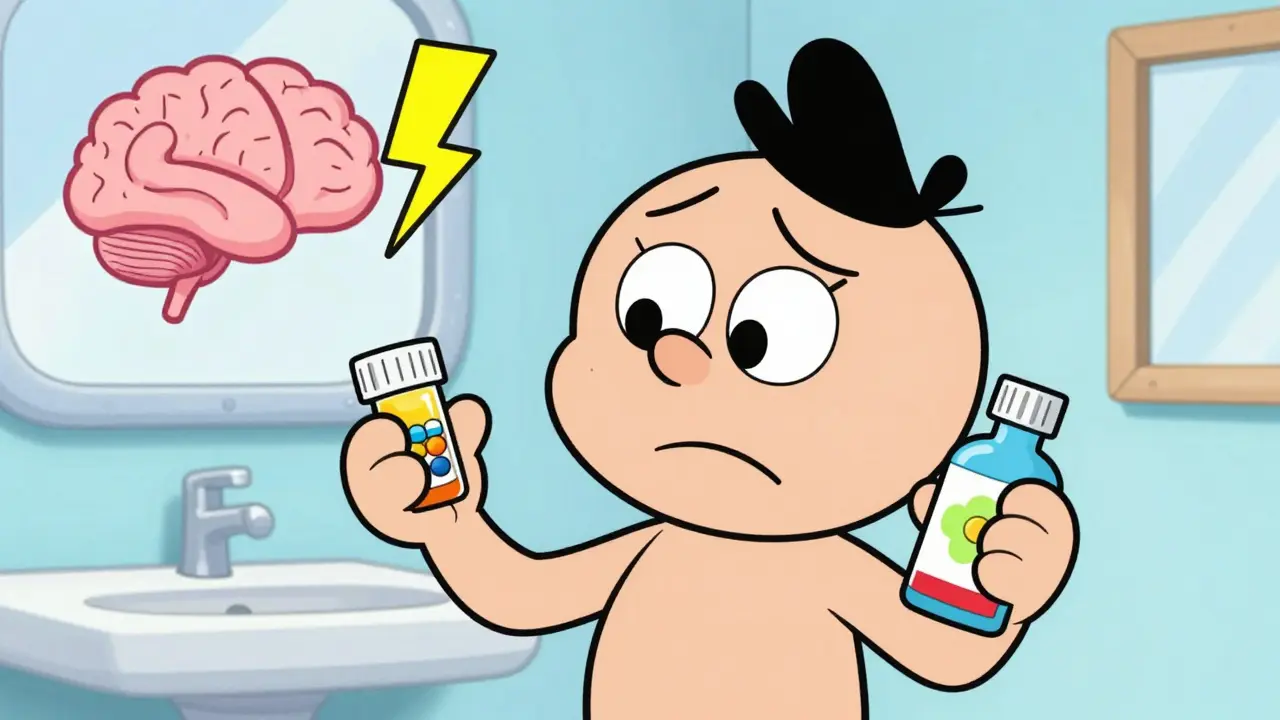
You take your morning pill for anxiety or depression. It’s been working well. Then, you pick up a prescription for pain relief or an antibiotic for an infection. You swallow both, assuming they’ll play nice together. But inside your brain, a chemical storm is brewing. This isn’t just a theoretical risk; it’s a medical reality called serotonin syndrome, a potentially life-threatening condition caused by excessive serotonergic activity in the central nervous system. While Selective Serotonin Reuptake Inhibitors (SSRIs) are generally safe, combining them with certain other medications can push serotonin levels too high, leading to dangerous symptoms that require immediate emergency care.
What Is Serotonin Syndrome?
Serotonin is a neurotransmitter that helps regulate mood, sleep, and digestion. SSRIs work by blocking the reabsorption of serotonin, keeping more of it available in your brain to improve your mood. When this balance tips too far, you get toxicity. Dr. H.A. Stern first described this phenomenon in the 1960s, but it wasn’t until later that we had clear diagnostic criteria. Today, doctors use the Hunter Serotonin Toxicity Criteria to identify cases. To be diagnosed, you typically need a combination of specific physical signs, such as spontaneous muscle twitching (clonus), agitation, sweating, tremors, or high blood pressure. It’s not just feeling "off"; it’s a physiological crisis.
The good news is that mild cases are common and often go unnoticed, mistaken for flu-like symptoms. The bad news is that severe cases can lead to seizures, irregular heartbeat, and even death if untreated. According to data from the FDA Adverse Event Reporting System, thousands of reports link SSRIs to serotonin syndrome, with the majority involving medication combinations. Understanding which drugs trigger this reaction is your best defense.
High-Risk Medication Combinations
Not all drug interactions carry the same weight. Some combinations are like playing Russian roulette, while others pose a minimal threat. A 2023 study published in PubMed Central found that combining SSRIs with other antidepressants, such as SNRIs or trazodone, increases the risk of serotonin syndrome by 3.2 times. However, opioids and antibiotics present some of the most common and dangerous pitfalls.
| Medication Class | Specific Drugs | Risk Level | Relative Risk Increase |
|---|---|---|---|
| Opioids (High Risk) | Tramadol, Pethidine, Dextromethorphan | Very High | 4.7x higher risk |
| Opioids (Medium Risk) | Methadone, Fentanyl | Moderate | 2.1x higher risk |
| Opioids (Low Risk) | Morphine, Codeine, Oxycodone | Low | No significant increase |
| Antibiotics | Linezolid | Moderate | 2.8x higher risk |
| Herbal Supplements | St. John's Wort | High | Significant interaction |
| MAOIs | Phenelzine, Tranylcypromine | Critical | Fatal potential |
Tramadol is perhaps the most common culprit in modern practice. It’s widely prescribed for pain because it’s considered less addictive than traditional opioids, but it also affects serotonin. Combining it with an SSRI like sertraline or fluoxetine is a recipe for disaster. Similarly, dextromethorphan, found in many over-the-counter cough syrups, carries a surprisingly high risk. Many people don’t realize that their cold medicine could interact dangerously with their daily antidepressant.
The Hidden Danger of Antibiotics and Herbs
You might think prescription antidepressants only clash with other psychiatric meds. That’s a dangerous assumption. Linezolid, an antibiotic used for resistant bacterial infections, acts as a weak monoamine oxidase inhibitor (MAOI). While the risk is lower than with classic MAOIs, a 2022 JAMA Network Open study showed that patients taking linezolid with antidepressants had a significantly higher incidence of serotonin syndrome. If you’re scheduled for surgery or have a serious infection, always tell your doctor about your SSRI use.
Then there are herbal supplements. St. John’s Wort is marketed as a natural remedy for mild depression, but it works similarly to SSRIs. Taking it alongside a prescription SSRI is like doubling your dose without realizing it. Users on health forums frequently report severe shivering, confusion, and agitation after combining these two. Never assume "natural" means "safe" when it comes to neurochemistry.
Recognizing the Symptoms Early
Time is critical. Serotonin syndrome usually develops within hours of starting a new medication or increasing a dose. The Cleveland Clinic suggests remembering the "5 S’s" to spot early warning signs:
- Shivering: Uncontrollable trembling or rigidity, especially in the legs.
- Sweating: Profuse perspiration unrelated to heat or exercise.
- Stiffness: Muscle rigidity or jerking movements (clonus).
- Seizures: Rare in mild cases, but possible in severe toxicity.
- Sudden Confusion: Agitation, restlessness, or altered mental status.
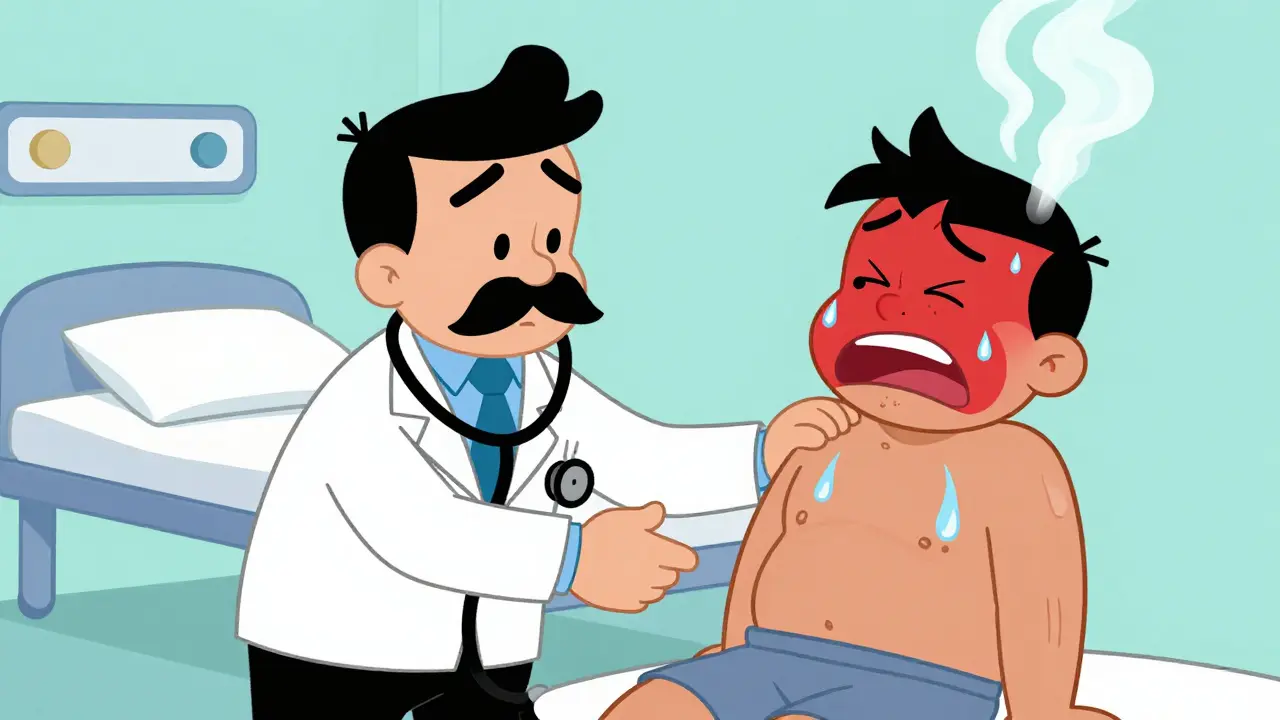
If you experience these symptoms, do not wait to see if they pass. Seek emergency medical attention immediately. Hyperthermia (high body temperature) is a late sign and indicates a severe, life-threatening case. In one documented case on Reddit, a user developed a fever of 104.2°F and severe muscle rigidity within 12 hours of combining sertraline and tramadol, requiring a three-day hospitalization.
Protecting Yourself: Practical Steps
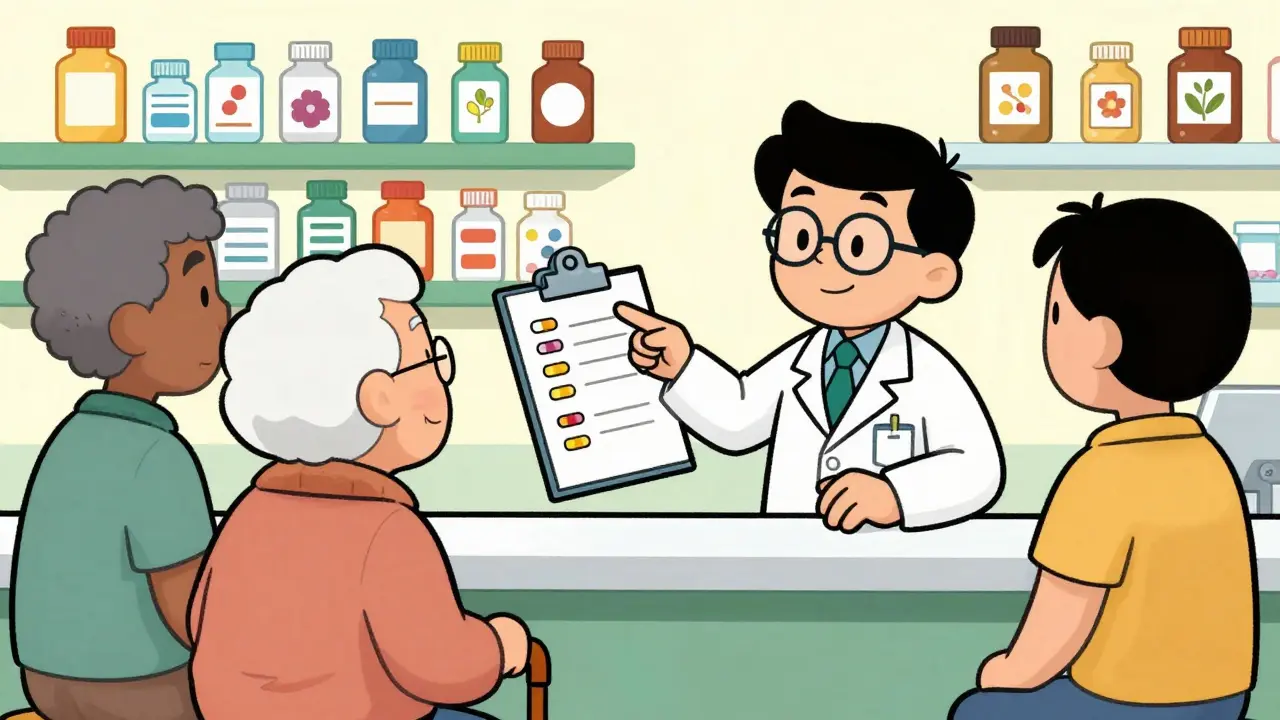
Prevention is straightforward but requires vigilance. First, maintain an updated list of all medications, supplements, and over-the-counter drugs you take. Share this list with every healthcare provider you visit, including dentists and specialists. Pharmacists are your allies here; a 2023 study found that pharmacist-led reviews reduced potential serotonin syndrome events by 47% in Medicare populations. Don’t skip the consultation at the pharmacy counter.
If you need to switch between antidepressants, particularly involving MAOIs, strict washout periods are necessary. The American Psychiatric Association recommends a minimum of two weeks between stopping an SSRI and starting an MAOI. For fluoxetine, due to its long half-life, you may need to wait five weeks. Electronic health records now include alerts for high-risk combinations, but human error still occurs. Always double-check with your prescriber if you’re unsure.
For older adults, the risk is compounded by polypharmacy. With 22% of Americans over 65 taking five or more medications daily, the chance of an interaction rises sharply. Regular medication reviews with your primary care provider are essential to prune unnecessary prescriptions and mitigate risks.
Can I take ibuprofen with my SSRI?
Yes, generally. Ibuprofen and other NSAIDs do not affect serotonin levels directly. However, combining them with SSRIs can slightly increase the risk of stomach bleeding. It does not cause serotonin syndrome.
How long does serotonin syndrome last?
With prompt treatment and discontinuation of the offending drugs, symptoms often resolve within 24 to 72 hours. Severe cases requiring intensive care may take longer to stabilize.
Is tramadol safe if I’ve been on SSRIs for years?
No. Tolerance to the antidepressant effect does not mean tolerance to the interaction risk. The pharmacological mechanism of tramadol interacting with serotonin transporters remains active regardless of how long you’ve taken the SSRI.
What should I do if I accidentally took a risky combination?
Monitor yourself closely for the next 24 hours for any of the "5 S’s" symptoms. If you feel unusual agitation, tremors, or overheating, go to the nearest emergency room immediately. Do not drive yourself.
Are there genetic factors that increase my risk?
Yes. Recent research indicates that individuals who are "poor metabolizers" due to variations in the CYP2D6 gene may process certain drugs slower, leading to higher drug levels in the blood and a 2.4 times higher risk of serotonin syndrome when combining SSRIs with drugs like tramadol.