
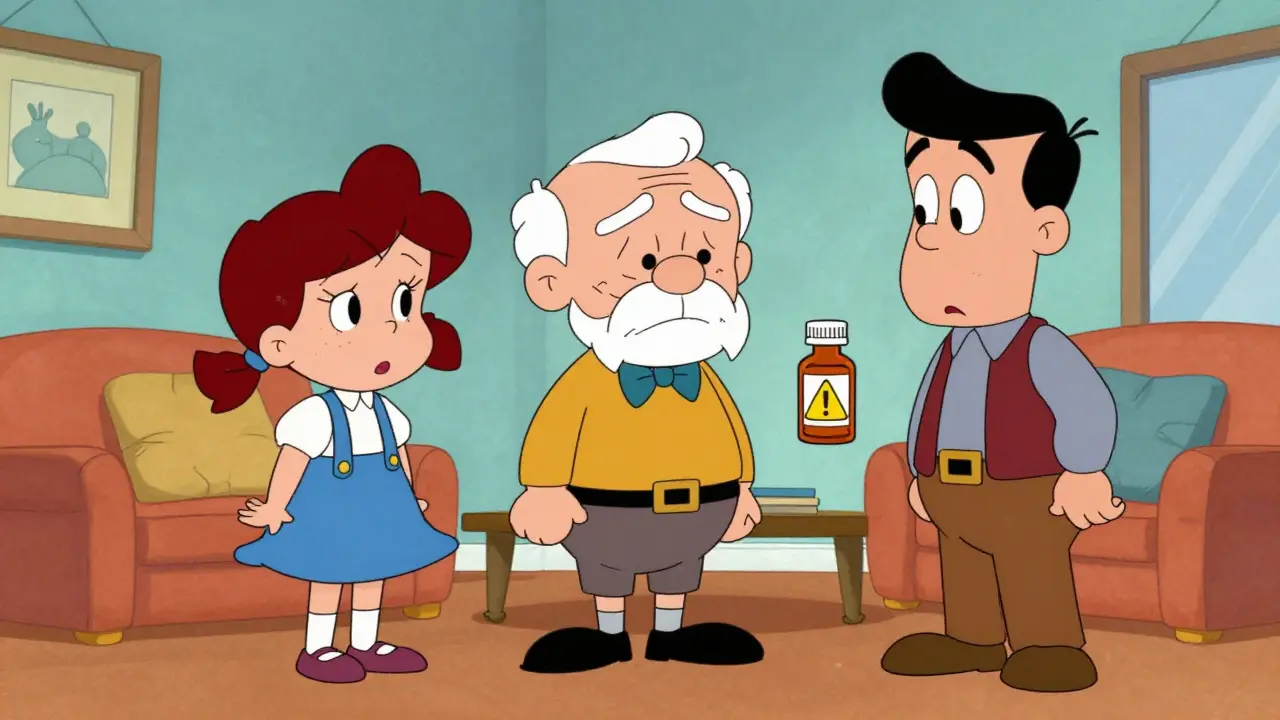
Imagine a family struggling to cope with a loved one whose dementia has led to severe aggression or hallucinations. In a desperate attempt to keep them safe and calm, a doctor prescribes an antipsychotic. It seems like a quick fix for the behavioral chaos, but there is a hidden price. For seniors with dementia, these medications aren't just about managing mood; they can significantly increase the risk of a life-altering stroke.
The danger is so well-documented that the U.S. Food and Drug Administration is the federal agency responsible for protecting public health by ensuring the safety and efficacy of medications issued "black box" warnings back in 2005. These warnings aren't just formalities-they are the most serious alerts a medication can carry, signaling that the drugs can increase the risk of death and stroke in elderly patients with dementia-related psychosis.
The Real Risk: How Much Does the Danger Increase?
When we talk about risk, the numbers are sobering. Data from the American Heart Association indicates that seniors exposed to antipsychotics have odds of suffering a stroke that are 1.8 times higher than those who aren't. That is nearly an 80% increase in risk. Perhaps most alarming is the timing; while some once believed that only long-term use was dangerous, research shows that even brief exposure can trigger these adverse events.
For those in nursing homes, the situation is even more precarious. Patients in these settings often have more advanced dementia and other health issues, which compounds the risk. Analysis of placebo-controlled trials has shown that patients treated with these drugs had a 1.6 to 1.7 times higher risk of death compared to those receiving a placebo. This suggests that the medication isn't just causing strokes, but is actively contributing to a higher overall mortality rate.
Typical vs. Atypical: Is One Safer?
In the world of psychiatry, these drugs are split into two main camps: First-Generation Antipsychotics (typical) and Second-Generation Antipsychotics (atypical). You might wonder if the newer, atypical versions are a safer bet for a senior with dementia. The answer is complicated.
Short-term use of either class doesn't seem to show a massive difference in stroke risk. However, once you cross the 90-day mark, the typical antipsychotics tend to be more dangerous. On the flip side, atypical antipsychotics bring their own set of problems, most notably the development of metabolic syndrome, which can lead to diabetes and heart disease-further increasing the long-term risk of a cardiovascular event.
| Feature | Typical (1st Gen) | Atypical (2nd Gen) |
|---|---|---|
| Short-term Stroke Risk | Moderate | Moderate |
| Long-term Stroke Risk | Higher | Lower (compared to Typical) |
| Metabolic Side Effects | Lower | Higher (Metabolic Syndrome) |
| General Recommendation | Avoid unless necessary | Avoid unless necessary |
Why Do These Meds Cause Strokes?
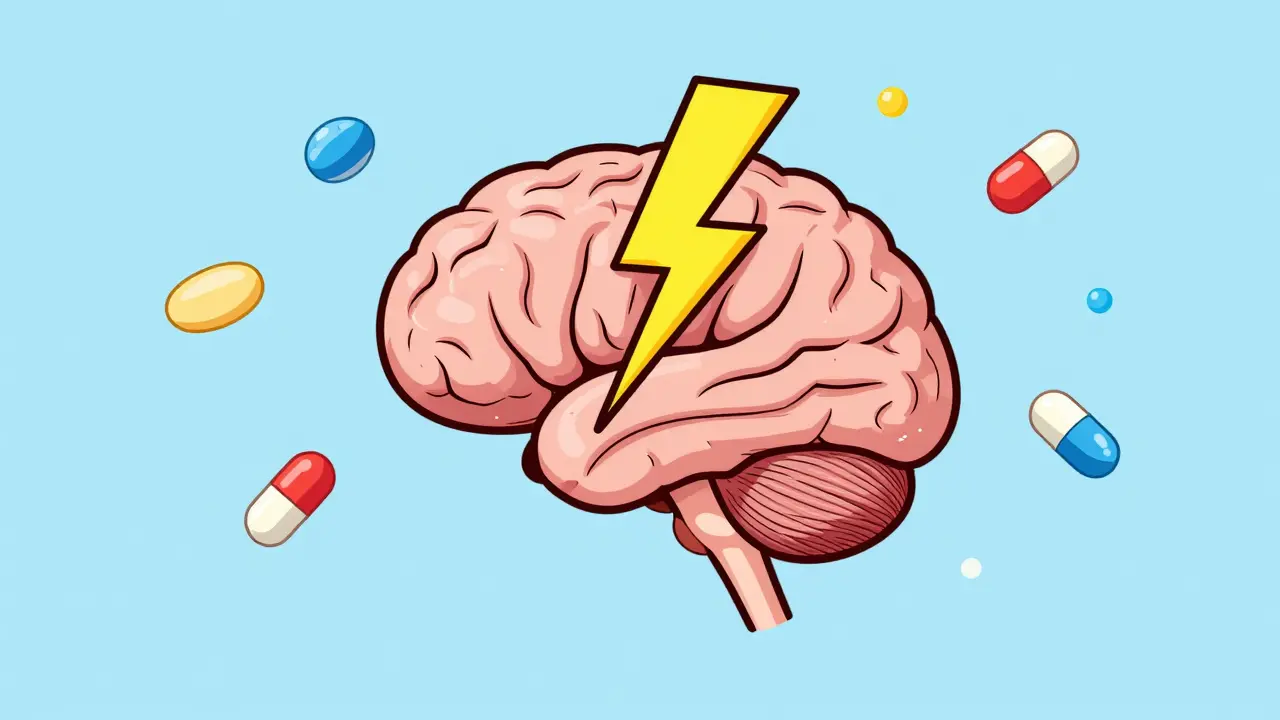
It isn't just one thing happening in the brain. These drugs mess with several physiological systems at once. First, they can cause orthostatic hypotension-that sudden drop in blood pressure when a person stands up-which can starve the brain of oxygen. Second, they can disrupt the neurotransmitters that regulate how blood flows through the cerebral arteries.
There is also a "chicken and egg" problem. Some researchers suggest that cognitive decline can actually be a sign of small, undetected strokes already happening in the brain (silent ischemia). When a patient's behavior worsens due to these mini-strokes, doctors might prescribe antipsychotics to treat the behavior, making it look like the drug caused the stroke when the process had already started. However, the overwhelming evidence from Medicare and Veterans Affairs data suggests that the drugs themselves are a powerful trigger.
The Clinical Gold Standard: Beers Criteria
If you want to know what the top experts recommend, look at the Beers Criteria. This is a set of guidelines created by the American Geriatrics Society that lists medications that are potentially inappropriate for older adults. The Beers Criteria explicitly recommend avoiding antipsychotics for treating the behavioral and psychological symptoms of dementia (BPSD).
Why is this the standard? Because the risk of mortality and stroke is simply too high compared to the benefit of sedation. While a patient might be "easier to manage" when sedated, their actual health outcome-their chance of surviving the year without a massive brain bleed or clot-drops significantly.
Better Alternatives for Managing Behavior
Since the risks are so high, what should families and caregivers do when a senior becomes aggressive or agitated? The first line of defense should always be non-pharmacological. This means changing the environment to reduce triggers. If a patient is agitated because the room is too loud or they are confused about where they are, a pill won't fix the confusion-it will only mask it while increasing their stroke risk.
Effective strategies include:
- Environmental Adjustment: Reducing noise, using soft lighting, and keeping a consistent routine.
- Validation Therapy: Instead of correcting a patient's delusions, acknowledge their feelings to reduce anxiety.
- Physical Activity: Simple walks or guided movement can burn off restless energy.
- Caregiver Support: Training staff or family on how to de-escalate conflicts without resorting to medication.
If these fail, doctors should only consider antipsychotics for the most severe cases-where the patient is a danger to themselves or others-and even then, the goal should be the shortest possible duration of use.
Questions to Ask Your Doctor
If your loved one is currently on an antipsychotic, you don't need to panic, but you should have a direct conversation with their healthcare provider. Ask specifically about the stroke risk. Ask if there are alternatives based on the Beers Criteria. Most importantly, ask: "Is the benefit of this medication for their behavior worth the increased risk of a stroke?"
Are all antipsychotics equally dangerous for dementia patients?
Not exactly, but both types carry risks. First-generation (typical) antipsychotics are generally linked to a higher risk of cerebrovascular events during long-term use. Second-generation (atypical) drugs may have a slightly lower stroke risk over time, but they often cause metabolic syndrome, which leads to other heart-related problems. Both are flagged by the FDA for increased mortality risk in seniors with dementia.
Can a short course of antipsychotics be safe?
Some research suggests that the risk of a cerebrovascular event is less salient during very short-term use. However, other studies from the American Heart Association warn that even brief exposure can increase stroke risk by up to 80%. The general consensus is that they should only be used for the shortest time possible and only when all other options have failed.
What are BPSD?
BPSD stands for Behavioral and Psychological Symptoms of Dementia. This includes things like agitation, aggression, hallucinations, delusions, and sleep disturbances. While these are difficult for caregivers to manage, using antipsychotics to "treat" them is often discouraged due to the high risk of stroke and death.
What is a "black box warning"?
A black box warning is the strictest warning given by the FDA. It is designed to call attention to serious or life-threatening risks associated with a drug. For antipsychotics, this warning specifically highlights the increased risk of death and stroke in elderly patients with dementia-related psychosis.
Why do nursing homes still use these medications?
Despite the evidence, these drugs are often prescribed off-label because they provide a rapid way to manage challenging behaviors in environments where staffing may be limited. However, clinical guidelines like the Beers Criteria strongly urge a shift toward non-drug interventions to prioritize patient safety over ease of management.
Next Steps and Troubleshooting
If you are managing the care of a senior, start by documenting the behavioral triggers. Does the agitation happen mostly at night (sundowning)? Is it triggered by loud noises? Having a log of these triggers allows the doctor to suggest specific environmental changes rather than a blanket medication.
For those already on these medications, do not stop them abruptly, as this can cause severe withdrawal or a rebound of symptoms. Instead, work with a geriatrician to create a "tapering plan" to slowly reduce the dose while simultaneously introducing non-drug behavioral supports.
Comments (13)
Peter Meyerssen
10 Apr, 2026The systemic hegemony of the pharmaceutical industrial complex is just so transparent here lol. We're basically witnessing a classic case of iatrogenic harm where the praxis of 'management' overrides the actual ontological well-being of the patient 🙄. It's just basic bio-politics at its finest.
Trey Kauffman
11 Apr, 2026Oh, look at that, the 'modern' medical miracle is actually just a chemical straitjacket that might kill you. Truly a shocking revelation that trusting big pharma blindly leads to bad outcomes. Who could have possibly predicted this twist in the plot?
danny Gaming
11 Apr, 2026typical us medical system just drugging ppl to keep em quiet so the govt doesnt have to pay for real care its a joke lol we need a total overhaul of how we handle seniors in this country stop trusting these faceless corps
Danny Wilks
12 Apr, 2026While it is certainly distressing to consider the statistical increase in stroke risk, I find it quite interesting how the cultural approach to elder care in various societies tends to prioritize different outcomes, as some cultures might favor a more holistic, presence-based approach over the clinical efficiency that Western medicine often pursues, though the data presented here regarding the FDA's black box warnings certainly provides a necessary, if sobering, corrective to the habit of over-prescribing in these specific clinical environments.
Kelly DeVries
12 Apr, 2026omg this is literally so scary i cant believe doctors are still doing this lol like really just give them a pill and hope for the best its just wild how things are handled in nursing homes honestly we need to do better for our grandparents
Ben hogan
14 Apr, 2026The level of cognitive dissonance required to ignore the Beers Criteria is staggering. It's not even about the medicine; it's about the laziness of the practitioners who find 'environmental adjustments' too tedious for their busy schedules. Pathetic.
Ryan Hogg
14 Apr, 2026My grandfather went through this and it was a total nightmare. Watching him slowly slip away while they just pumped him full of meds to stop the shouting... it just breaks my heart. I still wake up thinking about those last few months and the guilt is just eating me alive because we didn't know about these risks.
Jay Vernon
15 Apr, 2026This is really helpful info 😊 Thanks for sharing!
Suchita Jain
15 Apr, 2026It is my firm belief that the family must take absolute control over the medical records. One cannot simply trust the nursing staff to implement the Beers Criteria without rigorous oversight and a formal demand for non-pharmacological alternatives to be documented in the patient's chart.
kalpana Nepal
15 Apr, 2026The west thinks they have all the answers with their pills but they just destroy the body and mind. We should look at how we honor our elders in India instead of putting them in homes to be sedated into a stroke. It is a spiritual failure as much as a medical one.
Simon Stockdale
17 Apr, 2026I'm tellin you right now that the whole system is rigged to just make money off these old folks and it's absolutely disgusting how they just treat 'em like cattle in those facilities and then act surprised when they have a stroke like it wasnt the damn meds they pushed for months on end just to keep 'em from walkin around and makin a noise in the hallways!
Jitesh Mohun
18 Apr, 2026get your facts straight and stop whining about the system and start fighting the actual doctors who ignore the guidelines stop being weak and demand the non drug options now
Lynn Bowen
18 Apr, 2026It is interesting to see the contrast between the clinical guidelines and the actual practice in nursing homes. Many cultures have a more integrated way of handling elderly agitation through social engagement rather than chemical restraint.