
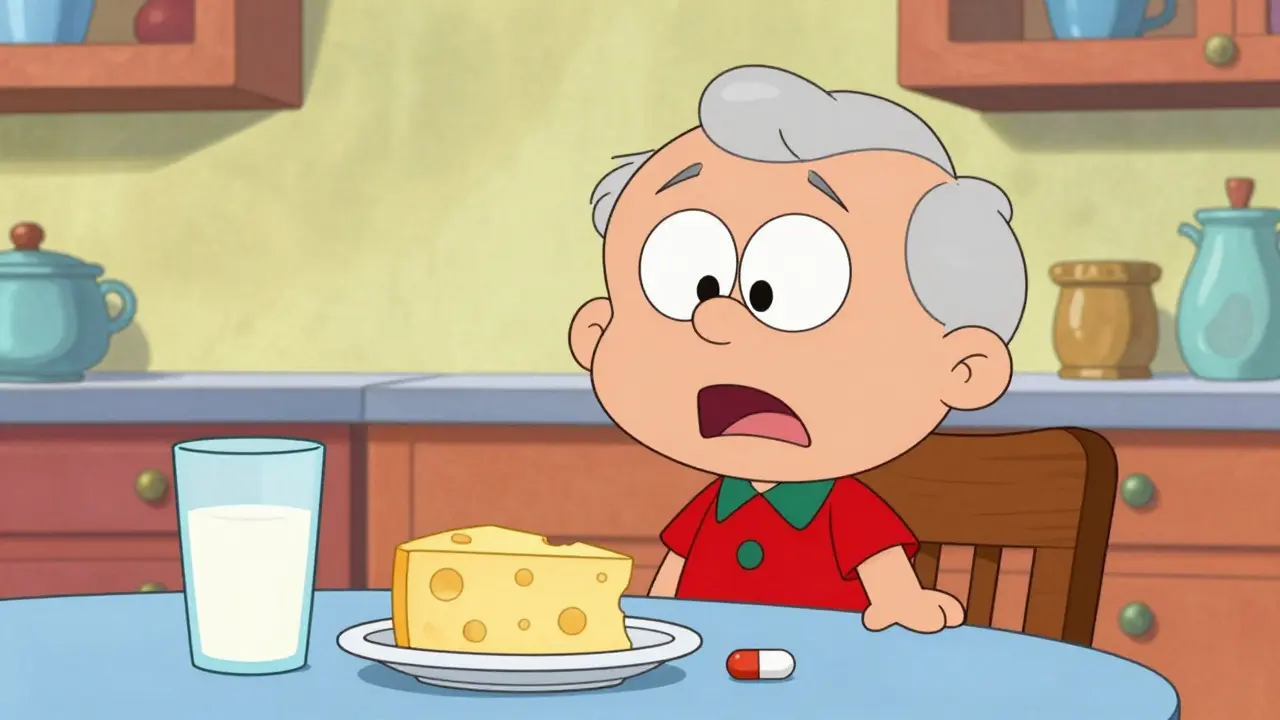
Bisphosphonate Absorption Checker
What did you consume?
Absorption Impact
💡 Clinical Reminder:
For maximum efficacy, oral bisphosphonates should be taken with plain water only and on an empty stomach. Wait at least 30-60 minutes before eating or taking other supplements.
Imagine taking a medication for months, only to find out your bone density hasn't budged an inch. For many people treating osteoporosis, this isn't just a bad dream-it's a common result of a simple breakfast mistake. The problem is that Bisphosphonates is a class of antiresorptive medications used to treat osteoporosis and prevent bone fractures by inhibiting the breakdown of bone tissue. While they are incredibly effective at reducing hip and vertebral fractures, they have a massive weakness: they are incredibly picky about what else is in your stomach.
If you're taking a drug like alendronate or risedronate, you've probably been told to take it on an empty stomach. But why the strictness? It comes down to chemistry. These drugs have notoriously poor bioavailability-meaning only a tiny fraction of the pill actually makes it into your bloodstream. When you introduce dairy, you're essentially blocking the few molecules that were actually going to work.
The Chemistry of the Clash: Why Dairy Blocks Your Meds
The core issue is a process called chelation. Bisphosphonates are highly sensitive to divalent cations-basically, minerals with a double positive charge. The most common culprit is Calcium, which is found in abundance in milk, cheese, and yogurt. When these minerals meet the medication in your gut, they bind together to form an insoluble complex. Instead of being absorbed through your intestinal wall, the drug becomes a clump that simply passes through your system.
It's not just milk. Other minerals like magnesium and even certain fibers can cause the same problem. In a study by Zielińska et al. (2022), researchers found that eating just 30-40g of cheese or egg yolk could bind up to 90% of a 100mg dose of risedronate. To put that in perspective, a single cup of shredded cheddar cheese can render your entire dose completely useless. You aren't just reducing the effectiveness; you're essentially flushing the medicine down the toilet.
How Much Does a Mistake Actually Matter?
You might wonder if a small sip of milk or a bit of yogurt really makes a difference. Unfortunately, the data says yes. Because oral bisphosphonates like Alendronate (Fosamax) already have an absorption rate of only about 0.6% to 0.7%, any further interference is catastrophic. If you reduce that already tiny window by another 80%, the drug simply cannot reach a therapeutic level in your bones.
| Food/Drink Item | Primary Interfering Agent | Estimated Impact on Absorption |
|---|---|---|
| Milk / Cheese / Yogurt | Calcium & Magnesium | 80% to 90% Reduction |
| Orange Juice | Acidity & Citrates | 50% to 60% Reduction |
| Bran / Whole Grains | Phytates / Fiber | Significant binding (up to 80%) |
| Coffee | Tannins / Caffeine | Moderate reduction |

The Gold Standard Administration Protocol
To ensure your bones actually get the protection they need, you have to follow a very specific routine. This isn't just a suggestion; it's a requirement for the drug to function. According to the American Association of Clinical Endocrinologists, here is the exact way to take your medication:
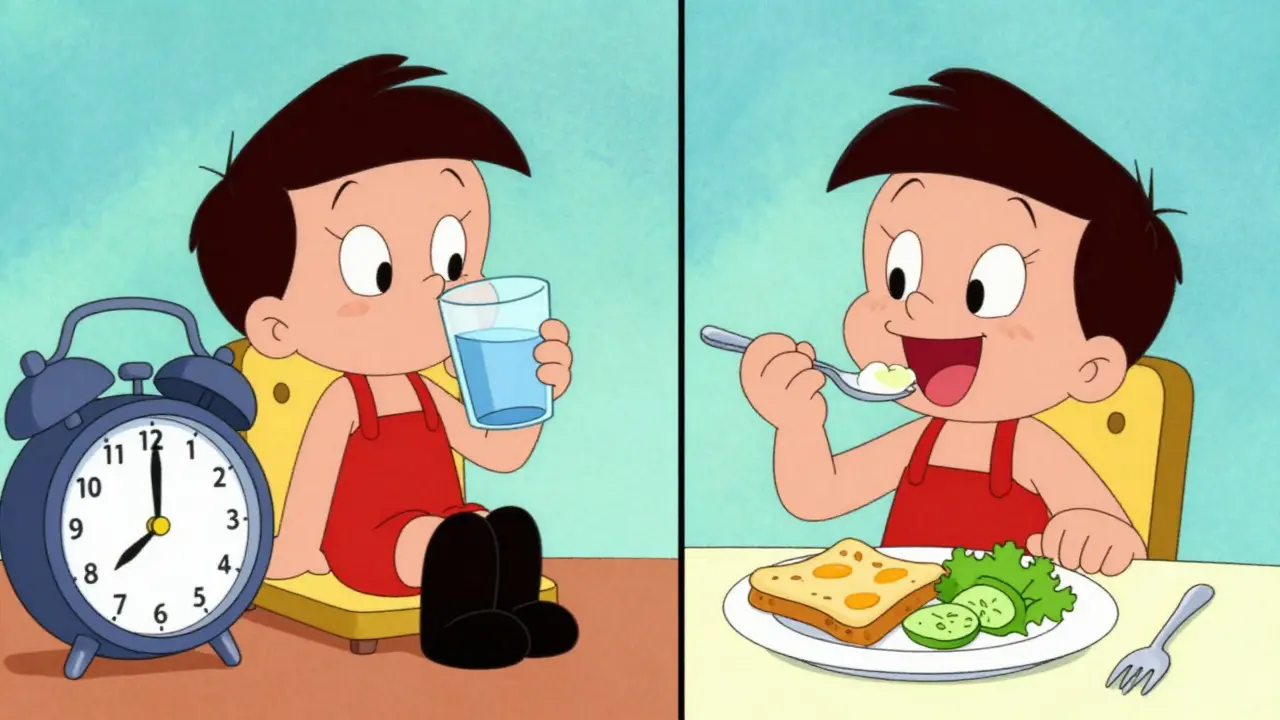
- Timing: Take your medication first thing in the morning, immediately after waking up.
- Fluid: Use only plain water. Do not use juice, coffee, or milk. Use about 6 to 8 ounces of water to ensure the pill reaches your stomach.
- Posture: Stay upright. You must either sit up straight or stand. Lying down can cause the medication to irritate or burn the esophagus, which is why these drugs carry FDA black box warnings for esophageal adverse events.
- The Waiting Window: Wait at least 30 minutes (for alendronate) or up to 60 minutes (for ibandronate) before eating any food or taking other medications.
This 30-minute window is critical because it aligns with the time it takes for your stomach to empty into the duodenum. Once the pH levels change and the drug moves forward, the risk of interference from food decreases. If you eat too early, you're essentially mixing the drug with a "blocker" in the stomach, preventing it from ever entering the bloodstream.
Dealing with Adherence Struggles
Let's be honest: waking up and staring at a wall for 30 minutes without a cup of coffee is hard. Many patients struggle with this, especially those over 65. Data from the Therapeutic Outcomes Project (TOP) showed that nearly 25% of patients stopped using oral bisphosphonates because the administration rules were too burdensome.
If you're struggling, you aren't alone. Some people find the morning nausea challenging, while others simply forget the timer. To make this work, you need a system. Try these practical workarounds:
- The Alarm Method: Set two alarms-one for the pill and one for when it's safe to eat.
- The Water Glass: Keep a dedicated glass of water and your medication on your nightstand so there's no temptation to wander into the kitchen.
- The "Safe" Breakfast: If you can't handle the wait, plan a breakfast that doesn't rely on heavy dairy, but remember that nothing should be consumed until the window has closed.
Are There Alternatives Without These Rules?
If the fasting requirements are simply impossible for your lifestyle, there are other options. Denosumab (Prolia) and Teriparatide (Forteo) are injectable treatments. Because they bypass the digestive tract entirely, they have zero food interaction concerns. You don't have to worry about cheese or orange juice when the medication is delivered via injection.
The trade-off is usually cost. Generic alendronate is incredibly affordable, often costing just a few dollars a month. Injectable alternatives can cost thousands. However, if you are paying for a pill but taking it with milk, you are paying for a medication that isn't actually working. In that case, the "cheap" option becomes the most expensive mistake you can make.
Looking Ahead: The Future of Bone Health
The medical community is working on making these drugs easier to use. The FDA recently approved Atelvia, a delayed-release version of risedronate that can be taken with food, though you still have to be careful with high-calcium meals. Even more promising is a new prodrug currently in trials, BPS-804, which aims to have much higher bioavailability and far fewer food interactions. We may soon reach a point where the "morning ritual" of fasting is a thing of the past.
Can I take my bisphosphonate with a calcium supplement?
Absolutely not. Calcium supplements are highly concentrated and will bind to the medication almost instantly, preventing absorption. You should wait at least 30 to 60 minutes after taking your bisphosphonate before taking any calcium or vitamin D supplements.
What happens if I accidentally eat breakfast before the 30-minute window?
While one mistake won't cause a crisis, it significantly reduces the dose's effectiveness for that day. If you consistently eat too soon, your bone density may not improve. If you realize you've made a mistake, don't take a second dose; just try to be stricter with the timing the next morning.
Is orange juice okay to drink with my medication?
No. Orange juice is acidic and contains citrates that can interfere with the drug's absorption. Some reports suggest it can reduce absorption by 50-60%. Stick to plain water only.
Why do I have to stay upright after taking the pill?
Bisphosphonates can be caustic to the lining of the esophagus. If you lie down, the pill or the water can reflux back up, leading to severe irritation, inflammation, or even ulcers in the throat. Staying upright uses gravity to ensure the pill goes straight to the stomach.
Are non-dairy milk alternatives like almond or oat milk safe?
While they don't have animal milk, many almond and oat milks are fortified with calcium. If the label shows calcium, it can still interfere with your medication. The safest bet is to wait the full 30-60 minutes before consuming any milk alternative.
Comments (9)
Scott Lofquist
16 Apr, 2026Wow, imagine actually reading the patient insert that comes with the meds 🙄. It's literally written right there in giant letters. Not exactly a secret for anyone who knows how to read 💅✨
melissa mac
17 Apr, 2026It's totally understandable why people would find this routine daunting. Many of us are just trying to manage our health while juggling a million other things, so being gentle with ourselves while we build these new habits is key.
If anyone is feeling overwhelmed, maybe try focusing on just one small change first, like the water glass on the nightstand.
Haley Moore
18 Apr, 2026Omg please. Only a couple of dollars a month? I'm literally shaking at the thought of these cheap generics 🙄. I'd much rather pay thousands for Prolia just so I don't have to experience the tragedy of waiting 30 minutes for coffee 💅✨
Catherine Mailum
19 Apr, 2026yeah because waking up at 5am to stare at a wall for half an hour is exactly how i want to start my day lol
Jasmin Stowers
20 Apr, 2026the alarm idea is great. simple and effective
Anurag Moitra
22 Apr, 2026The chemical interaction described is quite significant. It is imperative that patients adhere to the timing requirements to ensure therapeutic efficacy
Mark Dueben
23 Apr, 2026I suppose some might find the guidelines a bit rigid, but they are there for a reason. It's just unfortunate that some people can't follow simple instructions.
Becca Suttmiller
23 Apr, 2026I appreciate the clarity on the non-dairy alternatives. Many people assume almond milk is a safe bet without checking the fortification labels.
Brooke Mowat
25 Apr, 2026This is a total eye-opener for the bone-health voyage! 🌟 It's like a tiny dance of molecules in your belly and we just gotta give them space to groove before the cheese party starts.
I've always felt like my morning ritual was a bit of a weird slog but now it feels like a sacred quest for strength. Honestly, the way we treat our bods is such a wild journey and sometimes the most random stuff like a sip of OJ can totally wreck the vibe. I'm gonna start treating my water glass like a magic potion that sets the stage for the day. Lets just keep pushing forward and embrace the wait because our future selves will be dancing on strong legs!! Totally stoked to see those new prodrugs hitting the scene soon cause that sounds like a real game changer for the lazy-morning crowd like me haha. Just keep glowing and growing everyone!