
Ever wonder why a pill you swallow can fix a headache but also make you dizzy? Or why your doctor warns you not to drink grapefruit juice with your blood pressure medicine? It’s not magic. It’s chemistry. Every medicine you take is a carefully designed chemical that interacts with your body in very specific ways. Understanding how medicines work isn’t just for doctors - it’s the key to using them safely.
Medicines Are Chemical Keys That Fit Biological Locks
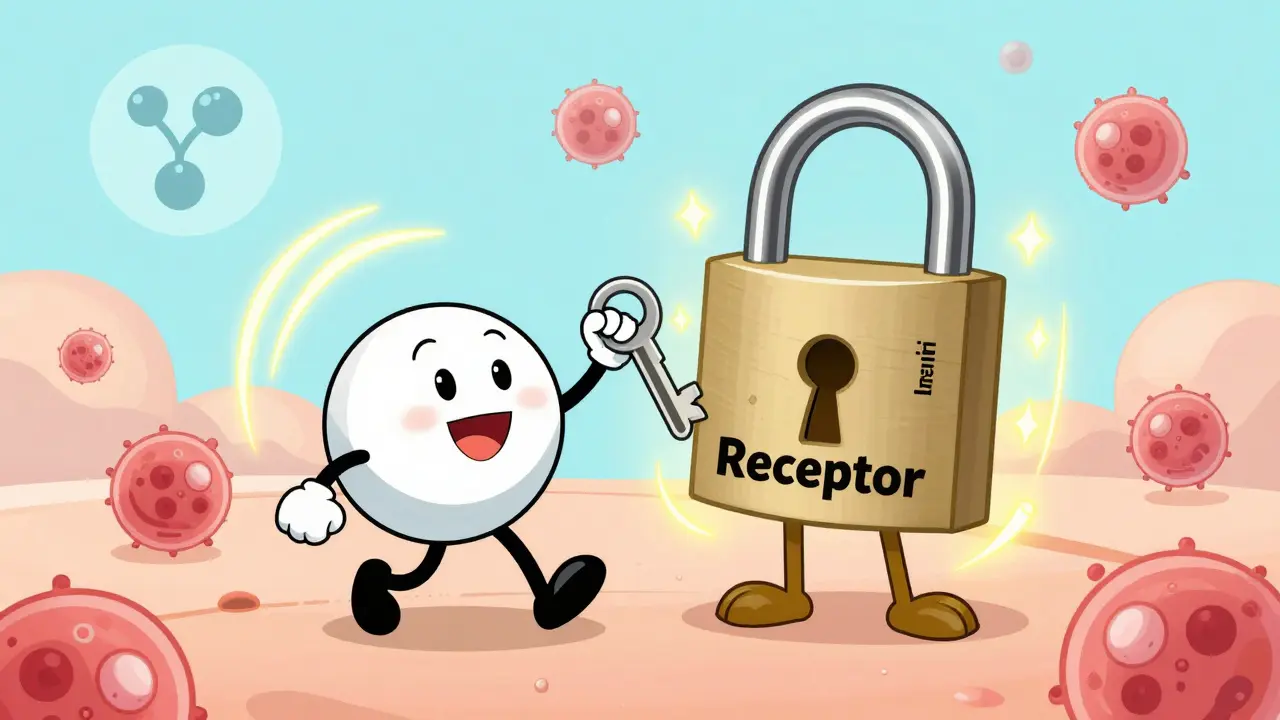
Your body runs on signals. Nerves talk to muscles. Hormones tell your liver to release sugar. Immune cells hunt invaders. Medicines don’t create new functions - they tweak existing ones. They do this by binding to specific spots on cells called receptors. Think of it like a key fitting into a lock. The receptor is the lock. The medicine is the key. Some medicines, called agonists, turn the lock and activate the cell. For example, insulin binds to receptors on muscle and fat cells, telling them to absorb sugar from your blood. Other medicines, called antagonists, block the lock. Antihistamines like loratadine block histamine receptors, stopping allergy symptoms before they start. Not all medicines work this way. Aspirin doesn’t bind to a receptor. It disables an enzyme called COX-1 that makes pain and inflammation signals. SSRIs like fluoxetine don’t activate anything - they block the serotonin transporter, keeping more of the mood-regulating chemical available in your brain. Even antibiotics work differently: penicillin attacks the wall of bacteria, causing them to burst. Your body doesn’t have that kind of wall, so it’s safe for you.How Your Body Handles Medicine: The Journey from Pill to Effect
Taking a pill isn’t the end of the story. Your body has to process it. This is called pharmacokinetics - what your body does to the drug. Oral medicines go through your stomach and intestines. Some are absorbed right there, like antacids that neutralize stomach acid. Others must pass through the gut wall into your bloodstream. Once in the blood, they’re carried to their target. But here’s the catch: up to 98% of many drugs stick to proteins in your blood. Only the free, unbound portion can do its job. If another drug kicks it off those proteins - like sulfonamides displacing warfarin - you suddenly have too much active drug in your system. That’s why bleeding risk spikes. Then there’s the liver. It’s your body’s main drug processor. It breaks down medicines so they can be flushed out. But this process, called first-pass metabolism, can destroy most of the drug before it even reaches your bloodstream. That’s why morphine needs a higher oral dose than an IV dose. Propranolol loses up to 90% of its strength on the first pass. Some medicines need special help to get where they’re going. Parkinson’s drugs like levodopa can’t cross the blood-brain barrier on their own. So they’re paired with carbidopa, which blocks its breakdown outside the brain, letting more reach the brain where it’s needed.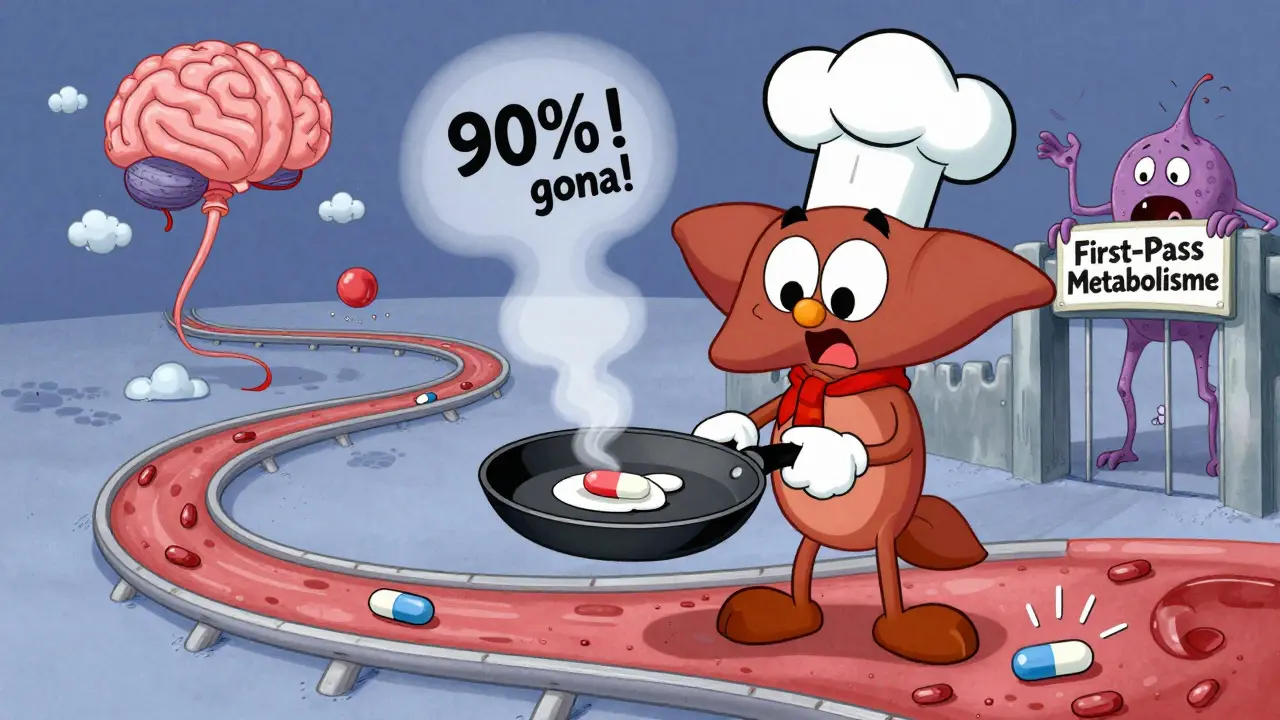
Why Understanding Mechanism Matters for Safety
Knowing how a drug works isn’t just academic - it saves lives. Take warfarin. It blocks vitamin K, which your body needs to make blood clotting factors. That’s why you have to watch your diet. A salad with spinach (800 mcg of vitamin K) can undo weeks of careful dosing. Patients who understand this don’t just avoid greens - they learn to keep intake steady. One small change, big safety impact. Lithium is another example. It’s used for bipolar disorder, but its exact mechanism is still unclear. It affects multiple systems: sodium transport, neurotransmitter release, even gene expression. Because of this, the window between a helpful dose and a toxic one is tiny. Blood levels must stay between 0.6 and 1.2 mmol/L. Too low, and it doesn’t work. Too high, and you get tremors, confusion, or kidney damage. That’s why regular blood tests aren’t optional - they’re life-saving. And then there’s trastuzumab (Herceptin). It only works on breast cancers that overproduce the HER2 protein. Before this drug, doctors treated all breast cancer patients the same. Now, they test tumors first. If HER2 isn’t present, the drug won’t help - and you avoid unnecessary side effects like heart damage. That’s precision medicine in action.When Medications Become Dangerous - And How to Avoid It
Medications are safe when used as directed. But they become dangerous when we ignore how they work. MAO inhibitors for depression block an enzyme that breaks down tyramine, a chemical in aged cheese, cured meats, and red wine. If you eat those foods while on an MAOI, tyramine builds up and causes a sudden, dangerous spike in blood pressure. In 2022, the FDA reported that 32% of adverse events tied to medications involved patients who didn’t understand these interactions. Statins lower cholesterol by blocking HMG-CoA reductase, an enzyme your liver uses to make cholesterol. But this same enzyme is involved in muscle function. Muscle pain? That’s a red flag. Patients who know this are 3.2 times more likely to report it early - catching rhabdomyolysis before it destroys muscle tissue and damages kidneys. Even over-the-counter drugs can be risky. Dimebon, an antihistamine used in Russia for decades, looked promising for Alzheimer’s in early trials. But because its mechanism wasn’t understood, later trials failed. It turned out to have no real effect on the brain. The initial results were likely placebo.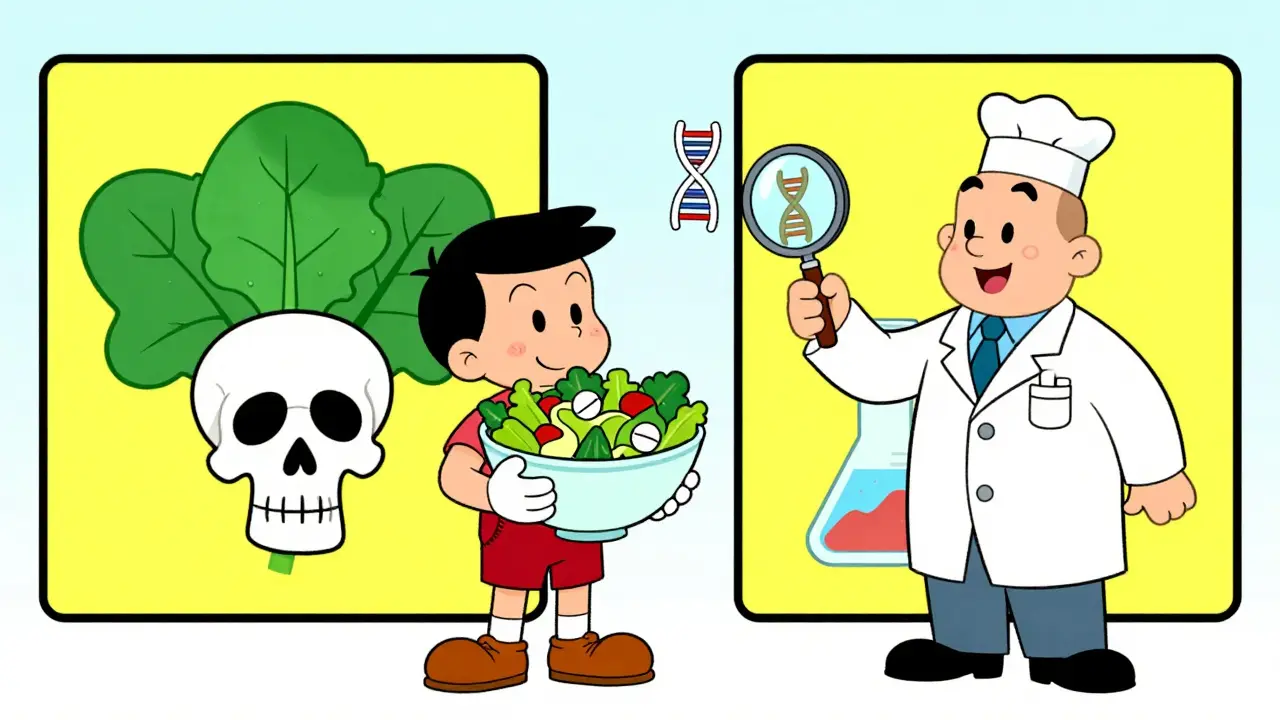
What You Can Do to Use Medicines Safely
You don’t need a pharmacology degree. But you do need to ask the right questions.- Ask your doctor or pharmacist: “What does this medicine do in my body?” Don’t settle for “It helps with X.” Ask how.
- Know your food interactions. If you’re on warfarin, keep vitamin K intake steady. On statins, avoid grapefruit. On antibiotics like tetracycline, don’t take with dairy - calcium blocks absorption.
- Watch for early warning signs. Muscle pain on statins? Dizziness on blood pressure meds? Confusion on lithium? These aren’t just side effects - they’re signals your body is reacting to the drug’s mechanism.
- Never stop abruptly. SSRIs keep serotonin in your brain by blocking its reabsorption. Stop suddenly, and your brain gets flooded with withdrawal symptoms: electric shock feelings, nausea, anxiety. It’s not addiction - it’s your brain readjusting.
- Use visual aids. Pharmacists who use diagrams of receptors and transporters improve patient understanding by 42%. Ask for them.
The Future: Safer Medicines Through Better Understanding
The science is moving fast. The FDA’s “Pharmacology 2030” initiative is pushing for every new drug to have a fully mapped mechanism. By 2025, they plan to roll out 15 new safety tests based on how drugs interact with the body. Projects like NIH’s All of Us are collecting genetic data from a million people. We now know that 28% of bad reactions happen because of gene variations that change how drugs are processed. In the future, your DNA might tell your doctor which drug to prescribe - and at what dose - before you even take the first pill. By 2028, early “digital twin” models could simulate how your body responds to a drug, based on your genetics, liver function, and even gut bacteria. This could cut adverse events by up to 60%. But for now, the most powerful tool you have is knowledge. When you understand how your medicine works, you’re not just a patient. You’re a partner in your own safety.How do medicines actually work in the body?
Medicines work by interacting with specific targets in your body, like receptors, enzymes, or transporters. For example, aspirin blocks the COX-1 enzyme to reduce pain, while SSRIs like fluoxetine block serotonin reuptake to improve mood. Antibiotics like penicillin destroy bacterial cell walls. Each medicine has a precise mechanism - it’s not random.
Why is it important to know how a medicine works?
Knowing how a medicine works helps you recognize side effects early, avoid dangerous interactions, and understand why certain rules (like avoiding grapefruit or eating steady amounts of greens) matter. Patients who understand their drug’s mechanism are more likely to report problems and stick to their treatment safely.
Can I stop taking my medicine if I feel better?
Not always. Some medicines, like antibiotics, must be taken fully to kill all bacteria. Others, like SSRIs or blood pressure drugs, manage symptoms - stopping them suddenly can cause rebound effects. Always talk to your doctor before stopping. For example, stopping an SSRI abruptly can trigger withdrawal symptoms because your brain needs time to adjust to lower serotonin levels.
Why do some medicines need blood tests?
Drugs with a narrow therapeutic index - like lithium, warfarin, or digoxin - have a tiny gap between a helpful dose and a toxic one. Blood tests check levels to make sure you’re in the safe range. Too little, and it doesn’t work. Too much, and you risk serious harm like kidney damage or internal bleeding.
Are natural supplements safer than prescription drugs?
No. Many supplements have active compounds that interact with medicines. St. John’s Wort can reduce the effectiveness of birth control, antidepressants, and even heart medications. Garlic and ginkgo can increase bleeding risk with warfarin. Just because something is “natural” doesn’t mean it’s safe - or that it doesn’t have a mechanism of action.
What should I do if I experience a side effect?
Don’t ignore it. Write down what happened, when, and how severe it was. Then contact your doctor or pharmacist. For example, muscle pain on statins could be early signs of rhabdomyolysis. Dizziness on blood pressure meds might mean your dose is too high. Many side effects are manageable - but only if caught early.
Can I take my medicine with food?
It depends. Some medicines work better on an empty stomach (like antibiotics like amoxicillin), while others need food to reduce stomach upset (like NSAIDs). Some, like statins, are best taken at night because your liver makes most cholesterol while you sleep. Always check the label or ask your pharmacist.
Why do some drugs have black box warnings?
Black box warnings are the FDA’s strongest safety alert. They’re used when a drug carries a serious or life-threatening risk - like increased suicide risk with antidepressants, or liver failure with certain painkillers. These warnings are tied to the drug’s mechanism. For example, natalizumab (Tysabri) carries a black box warning for a rare brain infection because it blocks immune cells from entering the brain - which is also how it helps MS, but also how it leaves you vulnerable.
Comments (14)
Sarthak Jain
15 Dec, 2025damn, i never thought about meds like keys and locks. so that’s why my doc told me to keep my spinach intake steady with warfarin? makes sense now. i thought it was just some random food rule lol.
also, the part about SSRIs and brain adjustment? big yikes. i stopped mine cold once and felt like my nerves were sparking. never again.
pharmacokinetics? sounds like a sci-fi term but yeah, my body’s basically a drug obstacle course.
Jonny Moran
16 Dec, 2025This is one of those posts that makes you feel smarter just by reading it. Seriously. I used to just swallow pills and hope for the best. Now I actually ask my pharmacist how things work. Changed my whole approach to health.
Also, the digital twin thing by 2028? That’s wild. Imagine your body simulating a drug before you even take it. We’re living in the future.
Daniel Wevik
17 Dec, 2025Let’s be real - most people don’t care how the drug works. They just want the headache gone. But this post? It’s the kind of thing that turns passive patients into informed ones. That’s the real win.
And yeah, grapefruit juice with statins? That’s not a myth. That’s a biochemical betrayal. Don’t be that guy.
Rich Robertson
19 Dec, 2025I work in a clinic and see patients every day who think ‘natural’ means ‘safe.’ St. John’s Wort messing with their antidepressants? Ginkgo thinning their blood while on warfarin? It’s terrifying.
And yet, they’ll Google ‘herbs for anxiety’ and then blame the prescription for side effects. Knowledge isn’t power - it’s protection.
Dwayne hiers
20 Dec, 2025Pharmacokinetics is often misunderstood. First-pass metabolism isn’t just about liver enzymes - it’s also about gut flora, CYP450 polymorphisms, and even intestinal permeability. That’s why some people metabolize drugs 5x faster than others.
And the 98% protein binding stat? That’s why drug-drug interactions are so sneaky. One molecule displacing another can turn a therapeutic dose into an overdose overnight. It’s not magic. It’s math.
jeremy carroll
20 Dec, 2025bro i took ibuprofen for a week straight because i thought it was ‘just’ painkillers. then i got stomach bleeding. my doc said i destroyed my gastric mucosa. now i know why they say ‘take with food.’
thanks for the post. i actually learned something today.
Daniel Thompson
20 Dec, 2025While I appreciate the technical depth, I must point out that the entire premise of ‘understanding mechanism’ is a Western medical fallacy. Traditional systems like Ayurveda and TCM have treated illness for millennia without receptor maps or pharmacokinetic models. Why do we assume reductionist science is superior?
Perhaps the obsession with molecular mechanisms distracts from holistic healing.
Alexis Wright
20 Dec, 2025Oh please. You think this post is ‘enlightening’? It’s just Big Pharma’s PR campaign dressed up as science. They don’t want you to understand how drugs work - they want you to think you do so you’ll keep taking them.
Meanwhile, the real causes of disease - toxins, stress, corporate food, glyphosate - are ignored. This is pharmaceutical snake oil with citations.
And don’t even get me started on ‘precision medicine.’ It’s just a fancy way to charge you more for the same pill.
Natalie Koeber
22 Dec, 2025EVERYTHING IS A LIE. They don’t want you to know that medicines are just mind control tools made by chemists who work for the Illuminati. The ‘receptors’? Fake. The ‘enzymes’? CGI. The whole thing is designed to keep you docile.
And grapefruit juice? That’s a test. If you drink it, you’re not compliant. They flag you. That’s why your blood pressure goes nuts - it’s not the drug, it’s the government’s surveillance system.
Thomas Anderson
23 Dec, 2025So simple: medicine = key, body = lock. If the key’s wrong, the lock breaks. Or jams. Or won’t turn.
Just ask your doc: ‘What’s this thing doing in my body?’ If they can’t explain it in 30 seconds, get a second opinion.
Wade Mercer
23 Dec, 2025People who take meds without understanding them are just asking for trouble. It’s not ‘healthcare’ - it’s negligence. You wouldn’t drive a car without knowing how the engine works. Why treat your body like a disposable toy?
Tim Bartik
24 Dec, 2025Y’all in the US think you’re so smart with your ‘pharmacokinetics’ and ‘receptors’ - but in my country, we just take the pill and pray. And guess what? We live longer. Maybe your overthinking is the problem.
Also, who the hell cares about digital twins? We got grandmas taking aspirin since 1952 and they’re still kicking. Keep your tech.
Sinéad Griffin
25 Dec, 2025OMG THIS POST IS A GAME CHANGER 💥
I just found out my antidepressant blocks serotonin reuptake 😭 I thought it was just ‘making me happy’ - now I get why I felt like a robot for 3 months. Also, grapefruit juice is EVIL 🍊❌
Sharing this with my mom. She’s on 7 meds and thinks ‘natural’ = safe. She’s gonna cry. In a good way.
Edward Stevens
26 Dec, 2025Wow. A post about medicine that doesn’t make me want to vomit. Who knew? You actually made pharmacology sound like something a human might care about. I’m almost impressed.
Also, the digital twin thing? That’s the future. Or the dystopia. Either way, I’ll be the one saying ‘I told you so.’