
Imagine the sudden, blinding pain of a kidney stone. It's often described as worse than childbirth, and for the 12% of people who deal with them, the fear of a second episode is real. In fact, about 40-50% of people will see another stone within five years if they don't change their routine. Most of these are calcium oxalate kidney stones, which form when calcium and oxalate bind together in your urine to create hard crystals. The good news? You can actually change the chemistry of your urine to stop these stones from forming. It isn't about one "magic food," but rather a specific balance of water, minerals, and timing.
The Golden Rule of Hydration
If you only do one thing, make it this: drink more water. Hydration is the most effective way to flush out the minerals before they can clump into stones. But "drinking plenty of water" is too vague. To actually protect your kidneys, you need to aim for a urine output of over 2.5 liters per day. This usually requires drinking between 2.5 and 3.0 liters of total fluid daily.
Why does this specific number matter? Research shows that the risk of recurrence drops by 50% when you hit that 2.0-2.5 liter urine mark compared to those who produce less than a liter. It's a linear relationship-the more diluted your urine, the harder it is for crystals to stick together. While plain water is your best bet, coffee and beer can also be protective. On the flip side, stay away from grapefruit juice and fizzy drinks; the phosphoric acid in colas, for example, can actually nudge you toward stone formation.
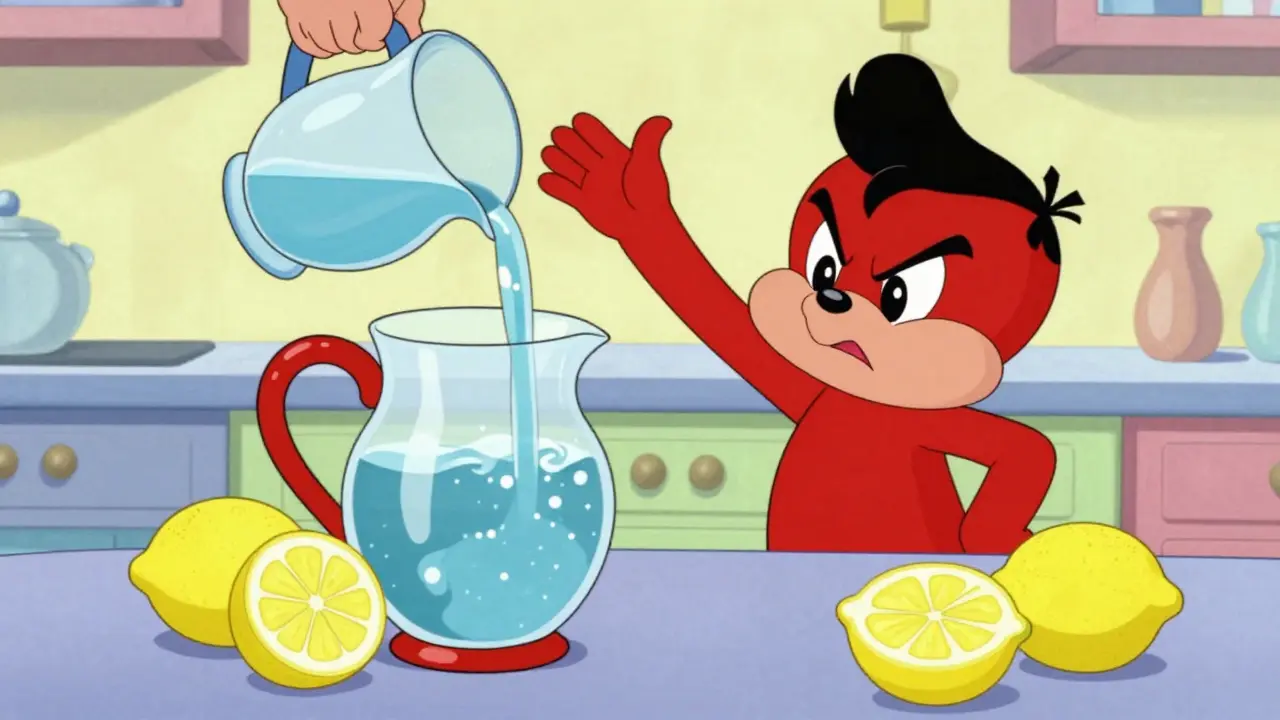
Want a pro tip? Add fresh lemon juice to your water. Adding about half a cup of lemon juice concentrate (roughly the juice of two lemons) daily can boost your urine citrate levels. Citrate is a natural stone-blocker that prevents calcium from binding to oxalate.
The Calcium Paradox: Why You Shouldn't Cut Out Dairy
One of the biggest mistakes people make is cutting out calcium because they think "calcium stones" mean "too much calcium." In reality, the opposite is often true. When you don't eat enough calcium, your body absorbs more oxalate from your food, which then travels to your kidneys and forms stones. This is the calcium paradox.
The goal is to get about 1,000-1,200 mg of calcium daily from actual food, not pills. Think of 2-3 servings of dairy-like a cup of milk, a bit of cheese, or some Greek yogurt. Calcium citrate is generally preferred over carbonate if you must use a supplement, but food is always better. In fact, taking calcium supplements without a doctor's guidance can actually increase your stone risk by 20%.
| Metric | Daily Target Value | Why it Matters |
|---|---|---|
| Total Fluid Intake | 2.5 - 3.0 Liters | Dilutes urine to prevent crystal aggregation |
| Dietary Calcium | 1,000 - 1,200 mg | Binds oxalate in the gut before it reaches kidneys |
| Sodium Intake | < 2,300 mg | High salt forces more calcium into the urine |
| Urine Output | > 2.5 Liters | The gold standard for recurrence prevention |
Mastering the Oxalate Balance
Oxalate is a naturally occurring compound in many healthy foods, but in high doses, it's the primary building block of these stones. You don't need to go on a restrictive "no-oxalate" diet-which is often ineffective and boring-but you should be aware of the heavy hitters. Spinach (755 mg per 1/2 cup) and rhubarb (541 mg per 1/2 cup) are extremely high. Almonds and navy beans are also on the list.
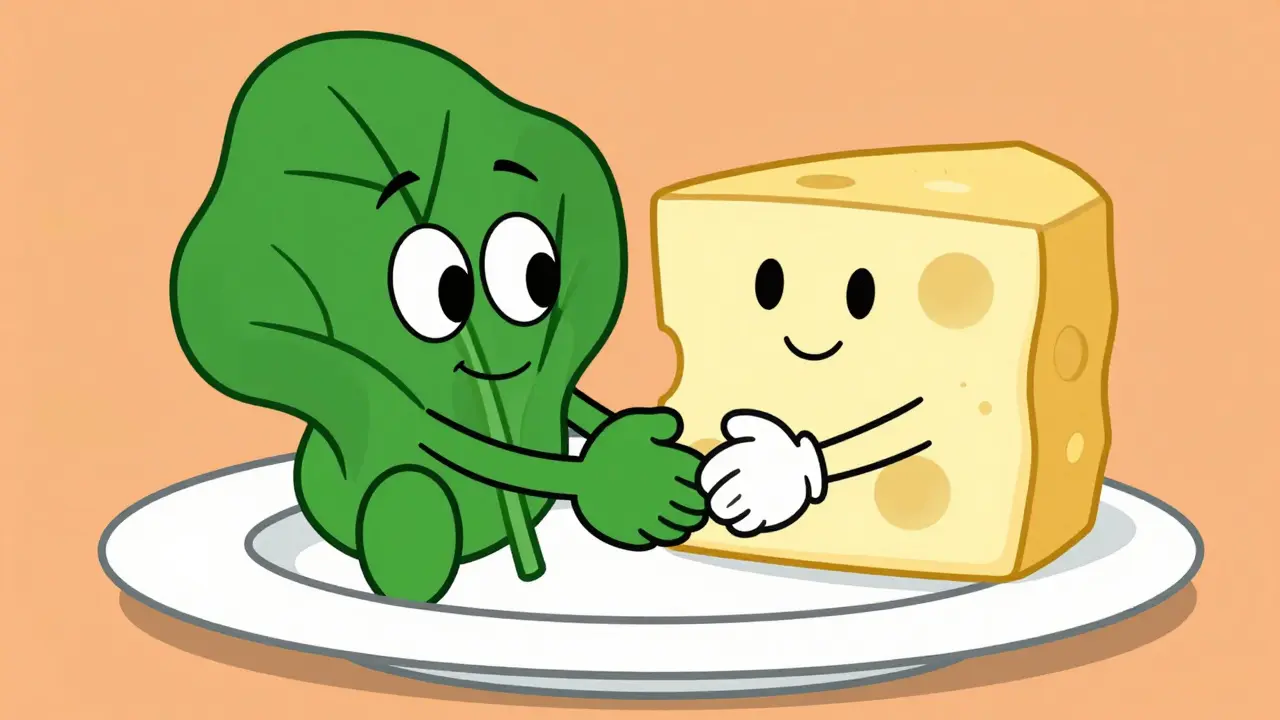
The secret isn't just *what* you eat, but *when* you eat it. To stop oxalate from entering your bloodstream, you must eat calcium-rich foods at the same time as your high-oxalate foods. If you eat a spinach salad, add feta cheese or a dollop of yogurt. When calcium and oxalate meet in your stomach, they bind together and leave your body through your stool rather than your urine. If you wait two hours after your meal to have that yogurt, you lose nearly 50% of that binding benefit.
Managing Salt and Protein
Your salt shaker is a hidden enemy in renal health. Every extra 1,000 mg of sodium you consume can increase the amount of calcium your kidneys leak into your urine by 25-30 mg. Stick to the American Heart Association's limit of 2,300 mg of sodium per day to keep your calcium levels stable.
Animal protein also plays a role. While you don't need to become a vegetarian, keeping animal protein to less than 30% of your total calories (roughly 75g for a standard diet) helps. Too much meat can increase uric acid and lower the amount of citrate in your urine, making the environment more prone to stone growth. For most people, a moderate approach of 0.8 to 1.0 grams of protein per kilogram of body weight is plenty.
When Lifestyle Changes Aren't Enough
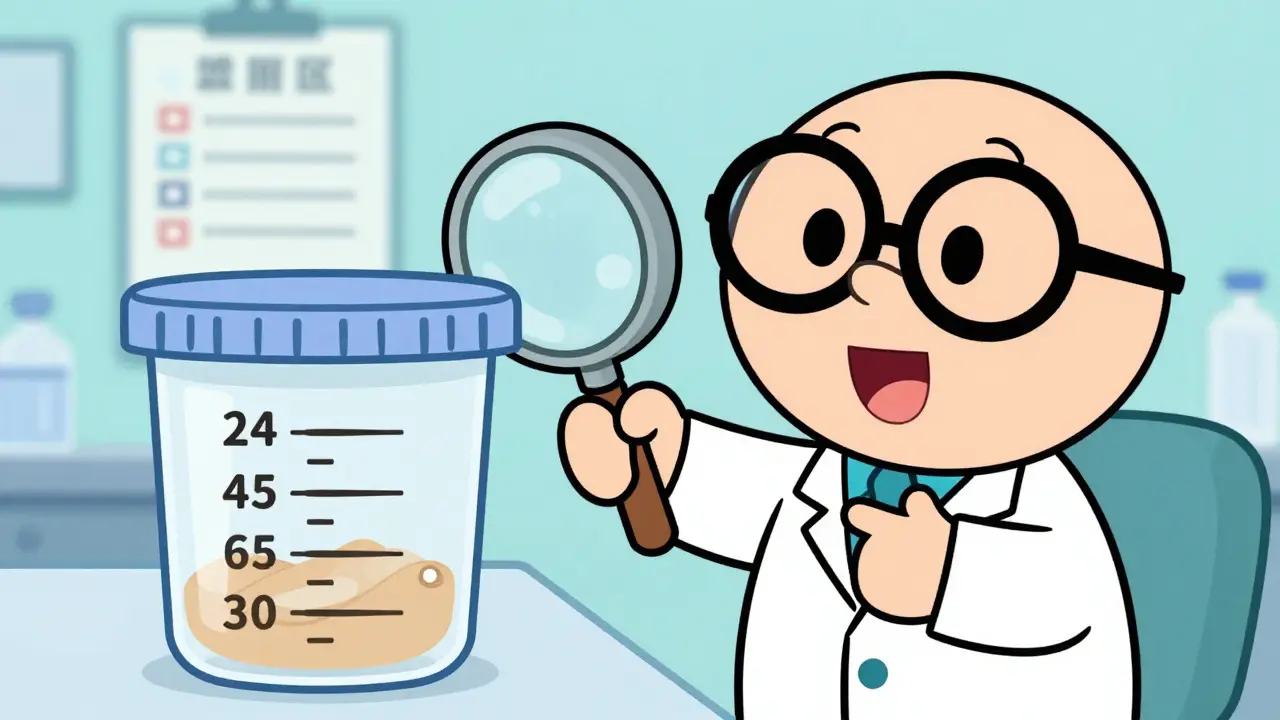
Sometimes, your genetics or a specific metabolic imbalance mean diet and water aren't enough. This is where a doctor might use 24-hour urine tests to see exactly what's going wrong. If your calcium levels are chronically high, they might prescribe Thiazide diuretics, which help your kidneys keep calcium in the blood rather than dumping it into the urine.
If your urine is too low in citrate, Potassium citrate supplements can be a lifesaver, acting like a chemical shield for your kidneys. For those with very high uric acid levels, a medication called Allopurinol can reduce the risk of recurrence by about 35%. These are precision tools; they aren't for everyone, which is why that 24-hour test is so critical.
Common Pitfalls to Avoid
Be careful with Vitamin C. While it's great for your immune system, taking more than 1,000 mg per day in supplement form can actually increase the production of oxalate in your body. Stick to dietary sources or low-dose supplements (under 500 mg) to stay in the safe zone.
Another common mistake is relying on a "detox" or a specific juice cleanse. There is no juice that "melts" a stone once it's formed. Prevention is about the long game-maintaining a diluted, citrate-rich environment every single day. Many people struggle with this, and only about 35% of patients maintain their hydration goals after a year. Using a hydration tracking app can help boost those odds significantly.
Should I stop eating spinach and nuts entirely?
No, strict oxalate restriction is usually only necessary for people with rare genetic mutations. For most, the best strategy is to simply pair these foods with a source of calcium (like cheese or yogurt) to bind the oxalate in the gut.
Can I use calcium supplements instead of dairy?
It's better to avoid them if possible. Dietary calcium is safer. Some studies show that calcium supplements can actually increase stone risk by 20%. If you must take one, calcium citrate is generally preferred over calcium carbonate.
How much water is actually too much?
For most healthy adults, aiming for 2.5 to 3 liters of urine output is the sweet spot. Beyond 2.5 liters of urine, the protective benefits tend to level off, meaning you don't get much extra protection by drinking excessive amounts.
Does lemon water really work?
Yes. Lemon juice is rich in citrate, which binds to calcium in the urine and prevents it from forming crystals. Adding the juice of two lemons daily to your water can significantly increase your urinary citrate levels.
Why does salt cause kidney stones?
High sodium intake forces your kidneys to excrete more calcium into your urine. The more calcium floating around in your urine, the higher the chance it will find an oxalate molecule and form a stone.
Next Steps for Your Renal Health
If you've had a stone in the past, your first step should be requesting a 24-hour urine collection test from your doctor. This is the only way to know if you are a "salt-sensitive" stone former or if you have a citrate deficiency. Once you have those numbers, you can move from generic advice to a precision plan.
Start small: add a slice of lemon to your water today and pick one calcium-rich snack to pair with your next vegetable meal. Consistency is the only way to keep the pain of kidney stones in the past.
Comments (15)
Lynn Smith
21 Apr, 2026This is such a helpful breakdown of a scary topic!
Wendy Ajurín
22 Apr, 2026The emphasis on dietary calcium over supplementation is absolutely critical. Many patients mistakenly reduce calcium intake, which inadvertently increases the absorption of oxalate in the intestines. This paradoxical effect is a cornerstone of renal nutrition that deserves more visibility in public health guidelines.
Cynthia Didion
22 Apr, 2026Obvious advice. American healthcare is a joke.
Olushola Adedoyin
24 Apr, 2026Wake up people! Why is nobody talking about the chemicals they put in the tap water to make us form these crystals? They want us dependent on these "thiazide" pills to control our bodies! It's a total scam by the big pharma ghouls to keep us in a cycle of sickness and profit!
Arthur Luke
26 Apr, 2026The part about pairing calcium with oxalates is really interesting. I always thought you just avoided the high-oxalate foods entirely, but eating them together seems much more sustainable for a long-term diet.
Akshata Kembhavi
28 Apr, 2026Adding lemon juice to water is a common habit in many Indian households anyway, so it's nice to see there's actually a scientific reason for it being good for the kidneys.
Tanya Rogers
30 Apr, 2026While the provided guidelines are superficially adequate, they fail to address the nuance of individual metabolic variability. The suggestion to simply "drink more water" is an egalitarian simplification of a complex physiological process. One must wonder if the author believes a one-size-fits-all approach is truly the pinnacle of medical efficacy.
Truman Media
1 May, 2026It is truly a blessing to have such clear guidance on how to care for our physical vessels. Let us all strive for balance and harmony in our eating habits to avoid such earthly suffering. Wishing everyone health and peace! 🌟🙏
Lesley Wimbush
1 May, 2026I've been telling my followers for years that a high-vibe diet is the only way to avoid these crystals. It's just so sad that some people can't see the connection between their spiritual alignment and their kidney health. But hey, if this little guide helps you get started, I'm all for it, honey!
Valorie Darling
3 May, 2026imagine actually tracking your water in an app lol just drink when you're thirsty
Venkatesh Venky
4 May, 2026Omg the pain of stones is totally crazy but we can fight it! Just focus on the hypercalciuria management and keep those citrate levels high to inhibit crystal nucleation. We got this, everyone! Let's just keep pushing for that 2.5L output and stay positive!
Aman Tomar
4 May, 2026I have had such terrible experiencs with these stones... it is truly a nightmare!! I did not know about the salt connection and now I feel so devastated that I ate so many salty snacks last month. My god, the throught of another stone is just too much to bear!!
Brigid Prosser
5 May, 2026Listen up, if you've already had one stone, stop guessing and just get the 24-hour test. It's a bit of a pain in the backside to collect everything, but it's better than guessing with your diet and ending up back in the ER. Get a move on and call your doc!
Ms. Sara
6 May, 2026I appreciate how this guide explains the "why" behind the rules. For those who are struggling with the water goals, maybe try a straw or a timed bottle to make it feel less like a chore. It's all about building those small habits together so we can all feel better.
anne camba
8 May, 2026Hydration is key... so key... but the struggle is real when you have to pee every twenty minutes!!! It is a cycle... a never ending loop of drinking and running to the bathroom... truly a philosophical paradox of health... but worth the effort, I suppose!!!