
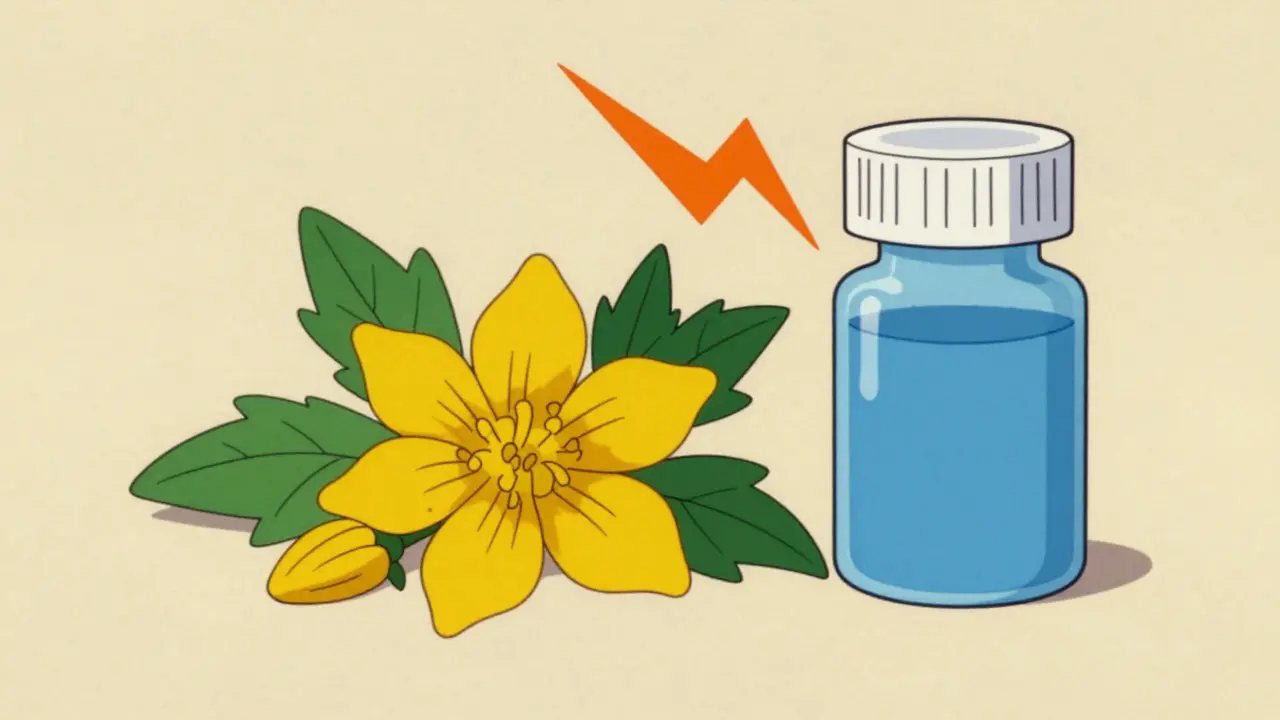
You might reach for a bottle of St. John’s Wort when you’re feeling low because it says "natural" right on the label. It feels safer than a prescription pill. But here is the hard truth that many people don’t know until it is too late: mixing this common herbal supplement with standard antidepressant medications can cause a life-threatening reaction. If you are currently taking SSRIs or have recently stopped them, adding St. John’s Wort to your routine isn't just ineffective-it could trigger serotonin syndrome. This condition happens when chemicals in your brain build up to dangerous levels, causing symptoms ranging from agitation to organ failure.
We often treat herbal remedies as harmless kitchen ingredients, but pharmacologically, St. John’s Wort acts more like a potent drug. In 2025, the European Psychiatric Association reviewed case studies showing severe interactions between this herb and modern depression treatments. Even worse, most patients don't tell their doctors about supplements. A study found that fewer than one-third of people mention herbal use during check-ups. That silence puts lives at risk.
The Herbal Alternative You Trust
St. John's Wort is a flowering plant native to Europe and Asia, widely marketed today as a dietary supplement for mild to moderate depression. It contains active compounds like Hypericin and Hyperforin, which are believed to improve mood.
For centuries, people have used this plant to treat melancholy. Today, it remains popular in the United States under the Dietary Supplement Health and Education Act of 1994, which means it doesn't undergo the same safety testing as prescription drugs. Most standardized commercial preparations contain about 0.3% hypericin. People typically take 300 mg capsules three times a day, aiming for 900 mg total daily intake.
In some European countries, like those in German-speaking regions, doctors actually prescribed it for depression until regulations tightened in the early 2000s. However, despite its popularity-sales exceeded $156 million in the U.S. in 2022 alone-the safety profile changes drastically when combined with prescription medication. You cannot treat it as a simple vitamin. It directly alters how your liver processes other drugs.
Why SSRIs Are Not Just Mood Boosters
To understand the risk, you need to see how Selective Serotonin Reuptake Inhibitors work. These drugs block the reabsorption of serotonin, leaving more of the chemical available in your brain synapses to transmit signals for happiness and stability. Common brand names include Prozac, Zoloft, and Paxil. While effective, they carry a narrow safety margin when paired with other serotonergic agents.
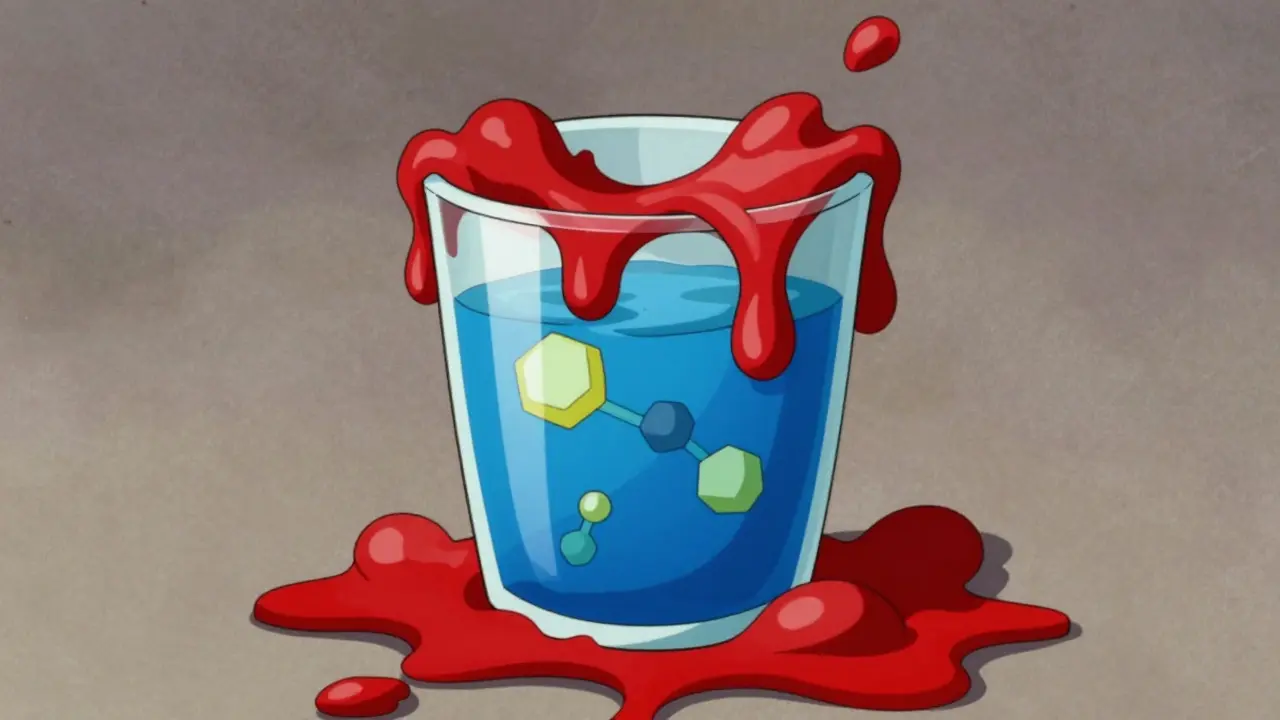
When you introduce St. John's Wort into the mix, you aren't just adding another source of support; you are stacking mechanisms. St. John's Wort functions partly as a weak Monoamine Oxidase Inhibitor (MAOI) and also inhibits serotonin reuptake itself. This creates an additive effect. Imagine pouring water into a cup that is already full. You aren't just increasing the level slightly; you are spilling over onto the floor. That overflow causes toxicity.
The Two-Way Street of Toxicity
The danger comes from two distinct pathways inside your body. First, we have the pharmacokinetic interaction. This deals with metabolism. St. John's Wort contains a compound called hyperforin, which activates something called the pregnane X receptor in your liver. This acts like a green light for enzymes known as cytochrome P450 (specifically CYP3A4, CYP2C9, and CYP2C19).
| SSRI Medication | Metabolic Pathway | Interaction Risk Level |
|---|---|---|
| Citalopram / Escitalopram | CYP2C19 | High (Faster Metabolism) |
| Sertraline | CYP2C19 | High (Serotonin Buildup) |
| Paroxetine | CYP2D6 | Moderate/High (Case Reported) |
While St. John's Wort can speed up the breakdown of some antidepressants-making them less effective-it simultaneously raises the risk of serotonin toxicity through a pharmacodynamic mechanism. Case reports indicate that serotonin syndrome typically starts appearing when you combine 600-900 mg of the herb with standard doses of SSRIs like sertraline or paroxetine. Symptoms can begin anywhere from 24 hours to two weeks after starting the combination. The Cleveland Clinic explicitly states that mixing these leads to a "life-threatening increase in serotonin." There is no safe dosage threshold established for concurrent use.
Recognizing Serotonin Syndrome Early
You cannot ignore the warning signs. Serotonin syndrome is a spectrum. It doesn't always start with seizures. Mild cases often mimic flu-like illness. Patients report sweating, nausea, trembling, and diarrhea. These might seem vague, which is why they get missed.
However, as the toxicity progresses, neurological signs become undeniable. Your muscles might twitch involuntarily (myoclonus). You may feel hyperactive or agitated. In severe cases documented by the Mayo Clinic, body temperature can skyrocket above 106°F (41.1°C). This state of hyperthermia can lead to rhabdomyolysis (muscle tissue breaking down), blood clotting disorders, and even death. A review of 17 case studies found that 100% of severe cases involved combinations with sertraline or paroxetine. If you experience confusion along with physical tremors while on these drugs, seek emergency help immediately.
It’s Not Just About Depression Meds
The risk extends far beyond just treating sadness. Because St. John's Wort turns on your liver's cleanup crew (the CYP enzymes), it strips potency from many other essential medicines. This is often overlooked.
- Hormonal Contraceptives: Studies show the herb increases metabolism of birth control pills by 30-50%. Unplanned pregnancies were reported in users at a rate of nearly 4 per 100 woman-years.
- Immunosuppressants: Transplant patients face huge risks. Levels of cyclosporine can drop by 50%, and tacrolimus by 60%.
- Blood Thinners: Warfarin becomes less effective, reducing INR levels significantly.
- Seizure Medications: Drugs like phenytoin lose 20-40% of their plasma concentration, raising seizure risk.
These interactions happen fast. Changes occur in liver enzyme activity within 72 hours of starting the herb. If you are managing chronic conditions, assuming an herbal supplement is neutral is a dangerous gamble.
Safety Guidelines and Washout Periods
If you are considering switching from a prescription antidepressant to St. John's Wort, you must proceed carefully. Experts recommend a strict washout period. Do not simply stop one and start the other. You generally need a gap of at least two weeks before restarting SSRI prescriptions after discontinuing the herb, though some experts suggest waiting longer depending on the half-life of the medication.
The American Psychiatric Association explicitly contraindicates concomitant use in their guidelines. They advise against combining them entirely due to the unpredictable nature of the interaction. Even though some manufacturers are moving toward creating "hyperforin-free" formulations to reduce enzyme interactions, these products are rare and still lack long-term safety data compared to established pharmaceuticals. Until a doctor gives you the green light to swap therapies completely, keep the herb away from your medication cabinet.
What To Do Now
Your next steps depend on your current situation. Be proactive about your safety. Always disclose what you put in your body to your healthcare provider. Don't hide the supplement bottle. If you suspect an interaction has happened, stop the herb immediately and contact your physician. Remember, natural does not mean safe in combination chemistry. Prioritize transparency over secrecy.
Can I take St. John’s Wort and Zoloft together?
No. Combining St. John's Wort with Zoloft (sertraline) carries a high risk of serotonin syndrome. Both affect serotonin levels, leading to dangerous accumulation. Clinical data shows severe reactions specifically involving this pair.
How long does St. John’s Wort stay in your system?
Active compounds usually clear within a few days, but enzyme induction effects on the liver can last longer. Medical advice typically suggests stopping at least two weeks before starting antidepressants to ensure safety.
What are the first signs of serotonin toxicity?
Early signs include sweating, shivering, rapid heart rate, and muscle twitches. Confusion and diarrhea are also common. Severe cases involve high fever and loss of consciousness requiring emergency care.
Does St. John’s Wort affect birth control pills?
Yes, it reduces the effectiveness of hormonal contraceptives by accelerating their metabolism. Users should expect backup contraception methods if taking the herb.
Is it safe to switch from SSRIs to herbal treatment?
You should never switch without supervision. A doctor must guide the tapering off of SSRIs and the potential introduction of alternatives to prevent withdrawal or rebound depression.
Comments (10)
Hope Azzaratta-Rubyhawk
2 Apr, 2026One must acknowledge that safety protocols exist for a valid reason in medical contexts. Ignoring these guidelines creates unnecessary exposure to dangerous physiological outcomes. The liver enzymes discussed here play a crucial role in processing daily medications effectively. If those pathways are blocked or activated randomly by herbal compounds, systemic failure becomes a real possibility. Patients often underestimate how potent botanical substances can be chemically. It is imperative to respect the boundaries set by clinical research data regarding serotonin levels. A healthy approach requires complete transparency with healthcare providers during every visit. Hiding supplement intake undermines the entire treatment plan designed for individual recovery. We should prioritize long term wellness over quick fixes marketed as natural solutions. This information serves as a vital warning for anyone currently managing mood disorders. Take the necessary precautions to protect your physical integrity today.
Jenna Carpenter
2 Apr, 2026People r so stupid when they think herbs r safe just cause nature made em. thier bodies cant tell the diff between a pill and a plant extract anymore. Big Pharma wants u scared but actually its the natural stuff killing folks slowley. Most doctors only know what thier textbooks say from decades ago anyway. Stop listening to the experts who profit from yor fear.
Beth LeCours
3 Apr, 2026She dont get it.
Mark Zhang
5 Apr, 2026We really need to be careful with how we combine different types of support together. It feels overwhelming but understanding the risk helps everyone stay safer overall. Friends often share remedies without knowing the chemistry involved in our systems. Having open conversations makes the process much less scary for everyone dealing with this. We can support each other by checking labels and talking to professionals. Taking charge of our health means knowing exactly what goes into our daily routines. Small steps lead to bigger changes in how we view medication safety. Nobody should feel alone when trying to figure out the right treatment path. We all deserve to feel stable without risking severe side effects. Thank you for sharing these important details so clearly.
Brian Shiroma
6 Apr, 2026Oh yeah because everything is perfect if you just obey the man and take the blue pill. Sure nothing goes wrong ever when we follow every rule blindly. I guess natural products never hurt anyone historically speaking. Thanks for the lecture on why your liver hates plants specifically today.
Rachelle Z
8 Apr, 2026Wait!!! What about birth control pills?!??? This interaction could ruin plans completely without warning signs 😬😲 Did anyone mention this part clearly enough for women reading this???? It feels scary to realize common supplements mess with hormones too!???
simran kaur
10 Apr, 2026The control narrative suggests avoiding natural alternatives to keep people dependent on expensive prescriptions forever. Why would studies suddenly focus on dangers only when profit margins drop on herbal items? They want us scared of our own healing abilities while they sell patented chemicals. History shows us that many effective remedies were once banned by the same groups controlling the FDA approvals. Question the sources before accepting that mixing substances causes death automatically.
Ace Kalagui
12 Apr, 2026While I understand the skepticism regarding institutional guidelines, there are documented cases from various cultures where interactions occurred unexpectedly. In many traditional medicine practices, caution was always advised against combining strong agents regardless of origin. The biological reality of enzyme induction is not something easily dismissed by cultural beliefs alone. We must respect both modern findings and ancient wisdom but prioritize current evidence when lives are at stake. Ignoring pharmacological data could lead to preventable harm in vulnerable populations. Every culture has learned that certain combinations create toxic reactions within the human body historically. This does not mean rejecting tradition but rather updating our knowledge base. We have access to better tools now to monitor safety than previous generations did. Collaboration between communities and medical fields leads to safer outcomes for everyone. We should share accurate information without fear mongering or dismissing risks entirely.
Branden Prunica
12 Apr, 2026I almost died from this and nobody warned me until it was way too late. My heart was racing and my skin was burning with heat like fire inside. Doctors looked confused because I forgot to tell them about the tea I drank daily. Now I have to deal with the aftermath of taking chances that seemed harmless at the time. It changed everything for me and my family had to carry the burden. People need to realize that ignoring warnings can cost you literally everything in seconds. I am so angry that I trusted a label instead of asking questions. This experience ruined so much trust in myself and the system around me.
angel sharma
12 Apr, 2026I understand your fear completely regarding the situation described above. It is very scary when your body reacts unpredictably to external substances. We all want to feel better without experiencing pain or confusion later on. Many people believe natural remedies are safer options without full verification. But sometimes nature creates chemical reactions we cannot predict alone accurately. Your doctor knows how these pathways interact inside your specific system better. They see thousands of cases where people mix treatments without telling anyone. Ignoring warnings puts your life at unnecessary risk right now constantly. You deserve to heal properly without complications occurring unexpectedly. Trust the science behind how serotonin affects your brain function deeply. Safety should always come before trying something new quickly today. Please talk to your provider before making any big changes yourself. They can help you find the best path forward safely and surely. We all care about your long-term health and well-being greatly. Take this step carefully and you will be much stronger soon.