
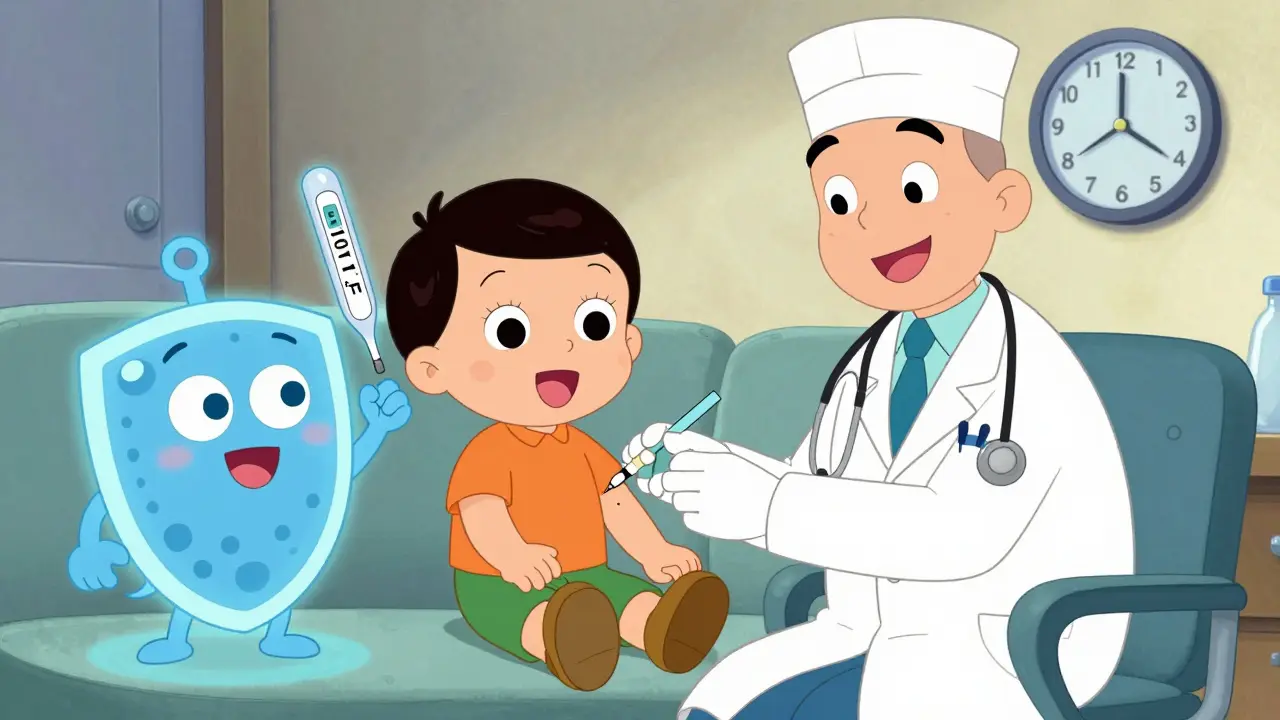
When your child gets vaccinated, it’s normal to worry about fever. Many parents reach for acetaminophen or ibuprofen right away, thinking they’re helping. But giving fever reducers before or too soon after a vaccine might actually weaken how well the vaccine works. The science is clear: timing matters. And the difference between helping and hindering comes down to just a few hours.
Why Fever Happens After Vaccines
Fever after vaccination isn’t a side effect-it’s a sign the immune system is doing its job. When a vaccine enters the body, it tricks the immune system into thinking there’s an infection. In response, the body raises its temperature to fight off what it sees as a threat. This is how vaccines build protection. For most kids, this means a low-grade fever between 100°F and 102°F (37.8°C-39°C), usually starting within 12 hours and lasting one to two days. Some vaccines are more likely to cause fever than others. For example, the Prevnar 13 (pneumococcal) vaccine causes fever in about 24-35 out of every 100 babies. The Pediarix vaccine (which combines DTaP, IPV, and HepB) triggers fever in 28-39 out of 100. The MenB vaccine is especially known for high fever rates, which is why health agencies in the UK specifically recommend giving paracetamol after this one.The Problem with Giving Medicine Too Early
In the early 2000s, it was common advice to give acetaminophen before a vaccine to prevent fever. But research changed everything. A landmark 2009 study in The Lancet showed that children who got fever reducers before vaccination had lower antibody responses. That means their bodies didn’t build as strong a defense against the disease the vaccine was meant to protect against. Follow-up studies confirmed this. One 2016 study compared two groups: one that got acetaminophen right after vaccination (plus two more doses at 6 and 12 hours), and another that got it only after a fever developed. The group that got medicine right away had a 50% drop in fever during the first 24 hours-but their antibody levels were significantly lower across multiple vaccine components. The Children’s Hospital of Philadelphia and the CDC now agree: giving fever reducers before or immediately after vaccination can reduce how well the vaccine works. This isn’t a small effect. It’s measurable, repeatable, and backed by multiple independent studies.When It’s Safe to Give Fever Medicine
The good news? You don’t have to let your child suffer. The key is waiting. Research shows that if you wait at least 4 hours after vaccination before giving medicine, you avoid the drop in immune response. That’s the magic window. You should only give fever reducers if your child has a temperature above 102°F (39°C). For lower fevers-between 100°F and 102°F-let the body do its work. Fever helps kill germs and builds immunity. Giving medicine for mild fevers might actually slow down that process. Here’s what to do:- Wait 4 hours after the vaccine before considering medicine.
- Only give acetaminophen or ibuprofen if the fever hits 102°F or higher.
- Don’t give medicine just because your child is fussy or warm to the touch.
- Keep them lightly dressed and offer fluids. Over-bundling traps heat and makes fever feel worse.

Medication Dosing and Safety Rules
Dosing isn’t one-size-fits-all. It depends on weight, not age. For infants between 6 and 11 months (18-23 lbs or 8-10 kg):- Acetaminophen (Tylenol): 1.25 mL of infant drops
- Ibuprofen (Advil, Motrin): 2.5 mL of infant drops
- Never give aspirin to anyone under 20. It’s linked to Reye syndrome, a rare but dangerous illness.
- Don’t give acetaminophen to babies under 12 weeks old. Their liver isn’t mature enough to process it safely.
- Don’t give ibuprofen to babies under 6 months unless directed by a doctor.
- Don’t give more than 4 doses in 24 hours. For acetaminophen: every 4-6 hours. For ibuprofen: every 6-8 hours.
The One Big Exception: MenB Vaccine
The UK’s National Health Service (NHS) is the only major health system that recommends giving paracetamol after the MenB vaccine-at 8 weeks and 16 weeks. Why? Because this vaccine causes fever in up to 60% of babies, and high fever can lead to seizures in rare cases. Even here, timing matters. The NHS recommends giving 3 doses: one right after the shot, then 6 hours later, and again 6 hours after that. This is the only vaccine where prophylactic use is officially advised. But even this is after the fact-never before the vaccine. This exception proves the rule: we’re not against fever reducers. We’re against giving them too early, when they might interfere with immunity.What About If My Child Already Has a Fever?
If your child is already running a low-grade fever when they come in for vaccines, don’t cancel the appointment. The CDC says mild illness-like a runny nose or a temperature under 102°F-doesn’t affect how well the vaccine works. In fact, delaying vaccines can leave your child unprotected longer. Just don’t give them extra fever medicine before the shot. Let them get vaccinated as is. The vaccine won’t make their existing fever worse.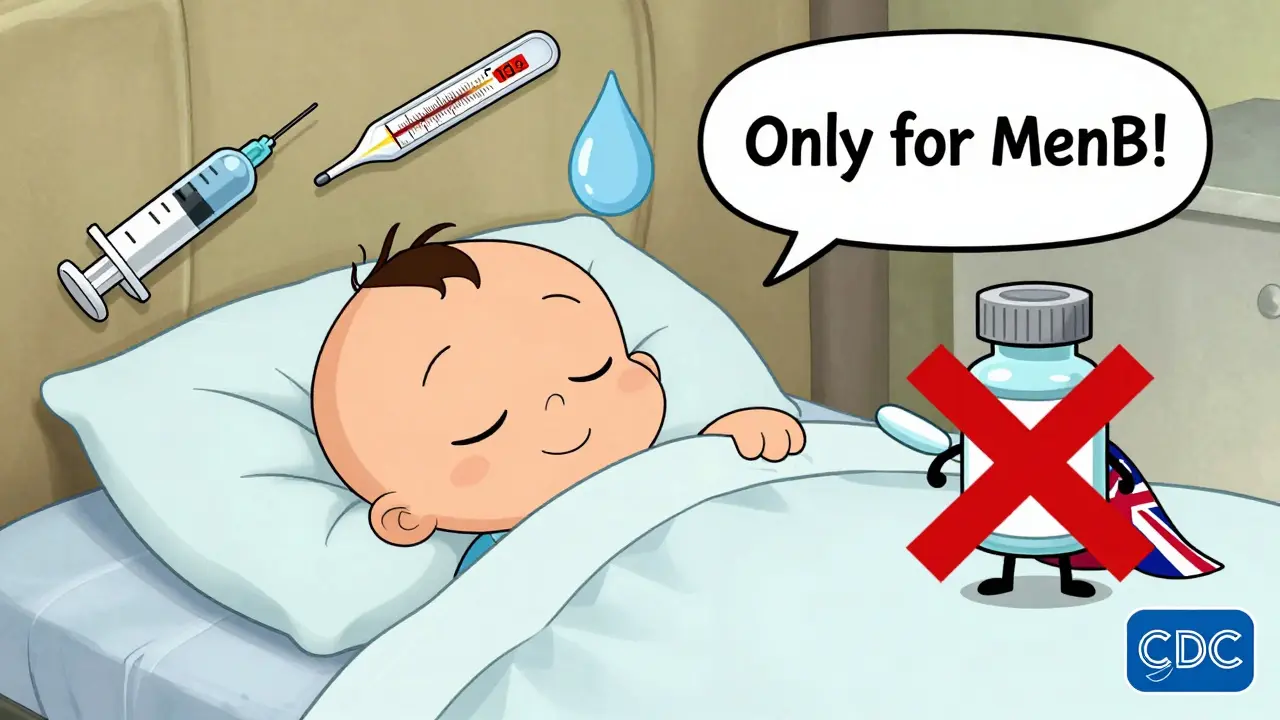
What Happens If I Gave Medicine Too Soon?
If you gave acetaminophen or ibuprofen within the first few hours after vaccination, don’t panic. The immune response might be slightly lower-but it’s still likely strong enough to protect your child. Most studies show antibody levels stayed above the protective threshold, even with prophylactic use. The bigger issue is consistency. If you do this every time, you might be slowly weakening their response to multiple vaccines. One time? Not a disaster. Repeated use? That’s where the risk builds.What Else Can You Do?
Medication isn’t the only tool. Simple steps help a lot:- Keep your child hydrated. Offer breast milk, formula, or water often.
- Dress them in light clothing. Don’t overwrap them.
- Use a lukewarm sponge bath if they’re uncomfortable. Cold water or ice baths can cause shivering, which raises body temperature.
- Monitor for other symptoms. If they’re lethargic, not drinking, or have a rash, call your doctor.
Comments (11)
Andrew Mamone
16 Mar, 2026I used to give Tylenol right after every shot until I read this. Now I wait 4 hours. My kid barely even fusses. 🤍
MALYN RICABLANCA
18 Mar, 2026OMG THIS IS A GAME-CHANGER!!! I DIDN’T KNOW FEVER WAS A FEATURE, NOT A BUG!!! My baby had a 103° after Prevnar and I panicked-gave ibuprofen at 90 minutes… now I feel like I sabotaged her immunity 😭💔 #vaccineanxiety #scienceisreal
gemeika hernandez
19 Mar, 2026You’re overcomplicating it. If they’re hot, give the medicine. Who cares about antibodies? I just want my kid to sleep.
Nicole Blain
20 Mar, 2026I’m so glad this got shared. I’ve been doing the 4-hour wait since my first kid. It works. No drama. Just a sleepy, slightly warm baby. 🌞🍼
Kathy Underhill
22 Mar, 2026The immune response is not a binary outcome. While studies show reduced antibody titers, clinical efficacy remains high in most cases. The real risk is overmedicalizing normal physiology. Letting fever run its course is not neglect-it’s trust.
Srividhya Srinivasan
23 Mar, 2026This is all Big Pharma propaganda. They want you to think fever is ‘normal’ so you don’t question why your kid gets sick after shots. They’re not vaccines-they’re immunosuppressants disguised as protection. The CDC? Controlled by Merck. Don’t believe the lie.
Lauren Volpi
25 Mar, 2026Why are we even having this conversation? In America we just give kids meds for breathing too loud. If they cry? Tylenol. If they sneeze? Advil. If they blink? Benadryl. We’re a nation of chemical babysitters.
jared baker
26 Mar, 2026Just remember: weight matters. Not age. My 20-lb 8-month-old got 1.25 mL Tylenol. Don’t guess. Use the chart. And no aspirin. Ever.
Michelle Jackson
28 Mar, 2026i read this and i was like... wait so i gave my son 3 doses of motrin after his 12 month shots?? like... right after?? like... for 3 days?? oh god. im such a bad mom. i just wanted him to stop crying. he was so hot. i thought i was helping. now i feel awful.
Suchi G.
28 Mar, 2026I’ve been a nurse for 17 years and I’ve seen parents panic over 100.5°F. Let me tell you-fever is the body’s way of saying, ‘Hey, I’m fighting!’ I had a mom once who gave Tylenol every 2 hours for 36 hours straight after DTaP. The baby didn’t get sick, but the antibodies? Barely detectable. We’re so scared of discomfort we’re robbing our kids of protection. It’s tragic. And it’s avoidable. Just wait. Just watch. Just breathe.
becca roberts
29 Mar, 2026So let me get this straight: we’re supposed to let our kids run a fever because... science? 🤔 Meanwhile in Europe, they’re giving paracetamol like it’s candy after MenB. And we’re the ones who think we’re ‘advanced’? 🤦♀️ Just saying.