

Imagine buying a bottle of pills to treat a serious condition, only to find out later they contain poison instead of medicine. This isn't a horror movie plot; it is a daily reality for thousands of people. According to recent data, nearly all online pharmacies operating without oversight are breaking the law. The numbers are staggering: about 96 percent of the estimated 35,000 online pharmacies worldwide violate legal regulations. Every single day, 20 new illicit pharmacy websites pop up, ready to trick unsuspecting shoppers. The danger isn't just about wasting money on a product that doesn't work. It is about life and death. When you order prescription drugs from an unverified site, you are gambling with your health.
Quick Summary: Key Takeaways
- Massive Scale: Approximately 95 to 96 percent of online sites selling prescription drugs operate illegally.
- Lethal Risks: Counterfeit pills often contain dangerous substances like fentanyl, which is 50 times stronger than heroin.
- Verification is Key: Legitimate pharmacies require a valid prescription and have licensed pharmacists available for consultation.
- High-Target Products: Criminals focus on weight loss drugs, painkillers, and cosmetic treatments like Botox.
- Report It: If you suspect a fake product, report it to authorities like the FDA MedWatch program immediately.
The Scale of the Counterfeit Drug Crisis
When we talk about Counterfeit Drugs is medicines that are intentionally and fraudulently misrepresentated in relation to their identity, quality, or source. Fake Medicines are not a minor nuisance; they represent a global public health crisis. The United States Trade Representative's 2024 Review of Notorious Markets for Counterfeiting and Piracy highlights the sheer volume of this illegal trade. With 35,000 online pharmacies in existence, the vast majority are operating in the shadows. The National Association of Boards of Pharmacy confirms this, stating that nearly 95 percent of websites offering prescription-only drugs online operate illegally.
This isn't just happening in one corner of the world. The Pharmaceutical Security Institute's 2024 data reveals 6,424 global incidents of pharmaceutical counterfeiting impacting 136 countries. Criminal organizations are specifically targeting high-value products. In 2024 alone, there were 3,658 arrests for pharmaceutical-related crimes recorded globally. The World Health Organization estimates that at least 1 in 10 medicines in low- and middle-income countries are substandard or falsified. Countries collectively spend an estimated US$ 30.5 billion annually on these dangerous products. That money doesn't go to research or healthcare; it fuels criminal networks.
Why does this happen? The OECD report identifies the key drivers as high profit margins and low risks of detection. Criminals know that the internet provides anonymity. They can set up a professional-looking website, load it with images of popular drugs, and start selling without ever manufacturing a single pill themselves. They bypass critical safety protocols by operating without licenses and selling medications without prescriptions. This lack of oversight means there are no safety warnings, no quality checks, and no accountability when things go wrong.
What Is Actually Inside the Fake Pills?
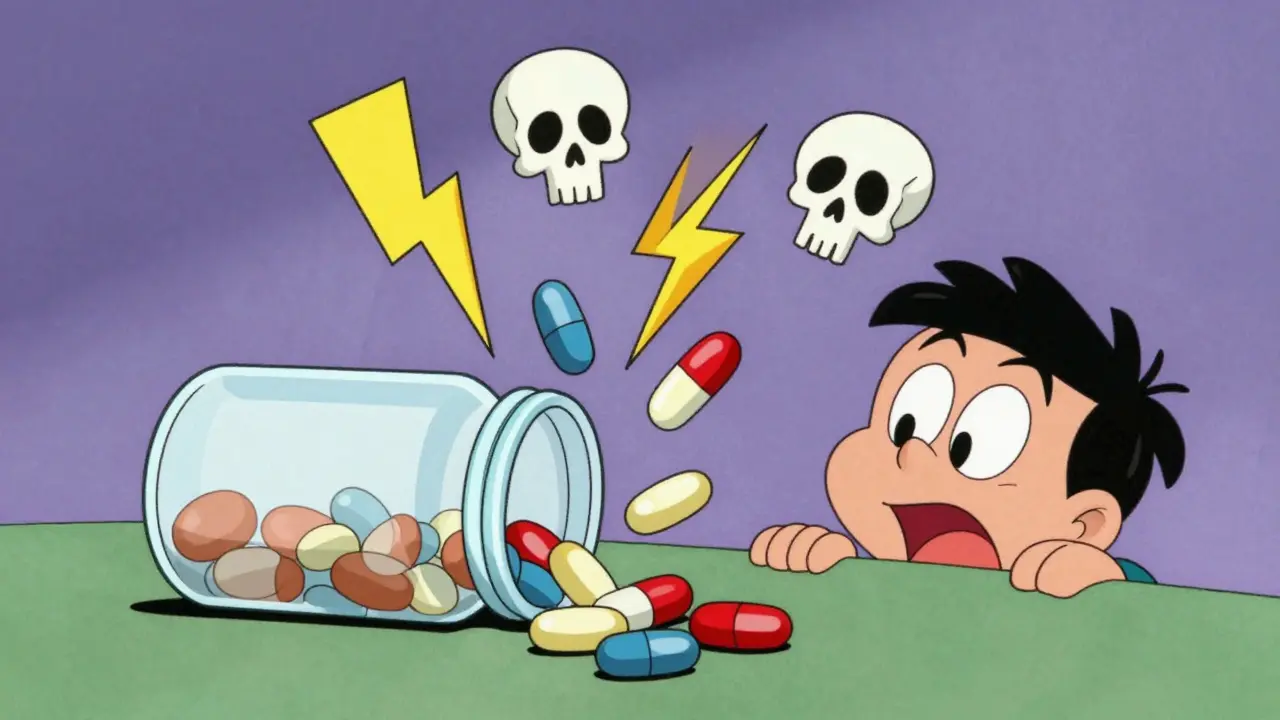
The most terrifying aspect of buying from Illegal Online Pharmacies is unregulated websites that sell pharmaceutical products without proper licensing or safety oversight is the unpredictability of the contents. You might think you are buying a painkiller, but the pill could contain lethal doses of fentanyl. The U.S. Department of Justice's September 30, 2024 indictment against individuals running illegal online pharmacies revealed that they distributed millions of counterfeit pills containing fentanyl and methamphetamine. Fentanyl is up to 50 times stronger than heroin. A single dose can be fatal.
It is not just about opioids. Counterfeit products include antibiotics, lifestyle treatments, anti-malarial drugs, and diabetes treatments. Specific cases documented by the FDA show the breadth of the problem. On June 20, 2025, counterfeit alli (orlistat) capsules were discovered at U.S. online retailers. Counterfeit Botox was found in multiple states on April 16, 2024. There have also been multiple instances of counterfeit Ozempic (semaglutide) identified in late 2023 and mid-2023. These are not just ineffective products; they can cause severe health consequences or death.
The composition of these pills is often toxic. The World Health Organization's fact sheet indicates that substandard or falsified medical products are often not properly formulated. They may contain incorrect active ingredients, dangerous contaminants, or toxic substances. For example, patients purchasing eye treatments like Muro 128 have received counterfeit versions that potentially caused ocular damage. The FDA's MedWatch program collects adverse event reports from consumers who have experienced negative effects, with specific cases including patients receiving counterfeit Botox injections that resulted in unexpected reactions or lack of efficacy. The risk of overdose is real. The CDC's October 2, 2024 statement explicitly warns that individuals ordering medications from illegal online pharmacies could be at risk for overdose.
Legitimate vs. Illicit Online Pharmacies
How can you tell the difference? It often comes down to regulatory compliance and safety standards. Legitimate online pharmacies require valid prescriptions and operate under licensed pharmacists. They maintain proper storage conditions and provide comprehensive medication information. Illicit operations bypass these critical safeguards to cut costs and increase profit. The FDA emphasizes that consumers should only take medications prescribed by licensed healthcare providers and dispensed by licensed pharmacies. The allure of discounted prices drives consumers toward dangerous alternatives, but the primary advantage of legitimate pharmacies-safety-is precisely what illicit operations lack.
| Feature | Legitimate Pharmacy | Illicit Pharmacy |
|---|---|---|
| Prescription Requirement | Always requires a valid prescription | Sells without a prescription |
| Pharmacist Access | Licensed pharmacist available for consultation | No licensed pharmacist available |
| Pricing | Competitive but realistic prices | Prices too good to be true |
| Location | Physical address and phone number listed | Often no physical address or contact info |
| Regulation | Complies with national laws (e.g., FDA, NABP) | Operates outside legal regulations |
Market analysis shows that counterfeit pharmaceuticals target high-demand medications. Weight loss drugs like Ozempic, cosmetic treatments like Botox, and common over-the-counter products like alli are frequent targets. Criminal organizations focus on products with high profit margins and widespread consumer demand. The fatal disadvantage of counterfeit medicines is their unpredictable composition. Despite their apparent cost savings, they are fundamentally unsuitable for any medical use.
How Criminal Networks Operate
These operations are not run by amateurs in a basement. They are sophisticated criminal networks that exploit the global supply chain's vulnerabilities. The OECD/EUIPO's March 2020 report details how companies registered in the United States bear the brunt of this illegal trade, accounting for almost 38 percent of all seized counterfeit medicines. Interpol's Operation Pangea XVI conducted in 2025 involved law enforcement from 90 countries. The result was 769 arrests, the dismantling of 123 criminal groups, and the seizure of 50.4 million doses of unapproved and counterfeit medicines. Approximately 13,000 websites, social media pages, channels, and posts associated with criminal pharmaceutical activity were shut down.
The technical sophistication of these operations is evident in their ability to mimic legitimate e-commerce platforms. They use product navigation systems, shopping carts, and professional branding that deceive consumers into believing they are purchasing from legitimate sources. The Alliance for Safe Online Pharmacies reports that illicit pharmacies often feature professional product navigation systems and shopping cart functionality that deceive consumers. This makes it harder for the average person to spot the red flags. The U.S. Drug Enforcement Administration's 2024 data shows they seized more than 60 million fentanyl-laced fake pills and nearly 8,000 pounds of fentanyl powder. This highlights the deadly nature of these operations.
Regulatory frameworks like the U.S. Drug Supply Chain Security Act (DSCSA) aim to secure pharmaceutical supply chains, but online operations often circumvent these protections by operating from jurisdictions with weak enforcement. Industry adoption of security features like serialization, holograms, and track-and-trace technologies has increased, but counterfeiters frequently replicate these protections. The global nature of this problem is evident in the 136 countries impacted by pharmaceutical counterfeiting incidents in 2024. Both developed and developing nations face significant challenges in combating these operations.
How to Spot a Safe Pharmacy
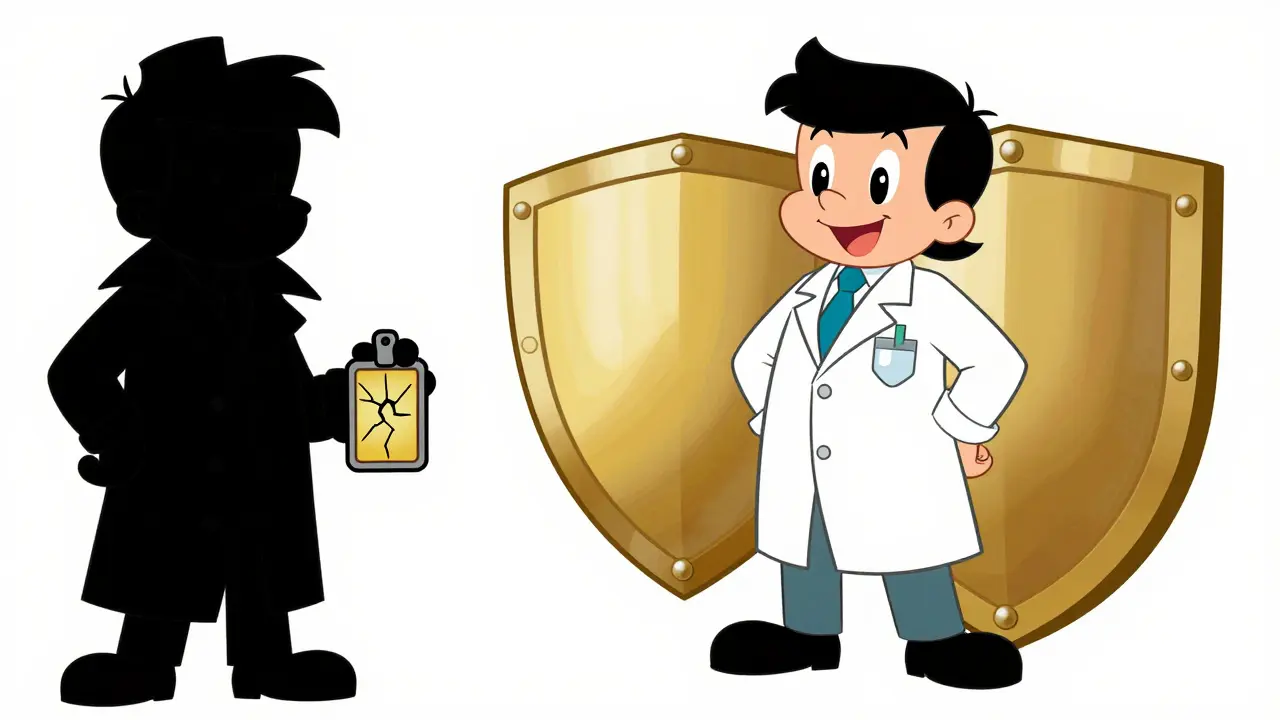
Protecting yourself starts with verification. The FDA's BeSafeRx program provides specific criteria for identifying legitimate online pharmacies. The National Association of Boards of Pharmacy's VIPPS (Verified Internet Pharmacy Practice Sites) program certifies legitimate online pharmacies, with only approximately 5 percent of online pharmacy websites meeting these standards. Implementation of safe purchasing practices requires consumers to verify pharmacy credentials, check for physical addresses and contact information, and avoid websites offering 'too good to be true' discounts or medications without prescriptions.
Here are the steps you should take before entering your credit card information:
- Check for a Prescription Requirement: If the site does not ask for a prescription from a doctor, walk away immediately.
- Verify Licensing: Look for the VIPPS seal or check if the pharmacy is licensed in your country or state.
- Contact Information: Ensure there is a physical street address and a phone number where a pharmacist can be reached.
- Consultation: A legitimate pharmacy will offer a way to speak with a licensed pharmacist about your medication.
- Price Check: If the price is significantly lower than other pharmacies, it is likely a scam.
The FDA recommends reporting suspected counterfeit medicines to their Office of Criminal Investigations and adverse effects to the MedWatch program. Learning to identify legitimate sources requires minimal time investment but critical attention to detail, as counterfeit operations constantly evolve their tactics to appear legitimate. The primary advantage of legitimate pharmacies-safety and regulatory compliance-is precisely what illicit operations lack.
What to Do If You Suspect a Fake Product
If you receive medication that looks different from what you expect, or if you experience unexpected side effects, do not ignore it. The FDA's MedWatch program collects adverse event reports from consumers who have experienced negative effects from counterfeit medicines. You can report these issues via email at [email protected] or by phone at 855-543-3784. Representative cases include individuals seeking discounted weight loss medications who received counterfeit Ozempic containing unknown substances. Patients purchasing eye treatments like Muro 128 received counterfeit versions that potentially caused ocular damage, as documented in the FDA's April 25, 2023 alert.
Dr. Rochelle Walensky, former CDC Director, emphasized in the October 2, 2024 media release that these counterfeit medications represent a 'potential public health risk' requiring immediate attention from health officials and clinicians. FDA Commissioner Robert M. Califf stated that 'online pharmacies often sell unapproved, counterfeit, or otherwise unsafe medicines outside the safeguards followed by licensed pharmacies.' The WHO's fact sheet characterizes substandard and falsified medical products as 'a significant threat to public health' since they 'are often not properly formulated and may contain dangerous ingredients.'
Dr. Tedros Adhanom Ghebreyesus, WHO Director-General, has repeatedly emphasized that these products 'can be ineffective at treating illness' and 'can even be directly harmful to patients if they contain contaminants or toxic substances.' The OECD report identifies the key drivers of this illegal trade as 'high profit margins, low risks of detection and prosecution, weak penalties, and the ease with which consumers can be deceived into believing that the counterfeit products are genuine.' OECD Secretary-General Mathias Cormann highlighted that 'counterfeit medicines not only cause economic damage for the sector but are also a significant threat to public health.'
How can I tell if an online pharmacy is fake?
Check if they require a prescription. Legitimate pharmacies always need a valid prescription from a healthcare provider. Also, look for a physical address, a phone number, and a licensed pharmacist available for consultation. If the prices seem too good to be true, they probably are.
What are the most common counterfeit drugs sold online?
Common targets include weight loss drugs like Ozempic, cosmetic treatments like Botox, painkillers, antibiotics, and lifestyle treatments. Criminals focus on high-demand products with high profit margins.
Why are counterfeit pills so dangerous?
They may contain incorrect active ingredients, dangerous contaminants, or toxic substances. Some counterfeit pills contain lethal doses of fentanyl, which is 50 times stronger than heroin, leading to overdose and death.
Where can I report a suspected counterfeit medicine?
You can report suspected counterfeit medicines to the FDA's Office of Criminal Investigations or adverse effects to the MedWatch program via email at [email protected] or by phone at 855-543-3784.
Is it safe to buy prescription drugs online?
It is safe only if the pharmacy is verified and licensed. The FDA recommends using the BeSafeRx program to identify legitimate online pharmacies. Avoid sites that sell without prescriptions.
Next Steps and Safety Checklist
Protecting your health requires vigilance. Before you buy, verify the pharmacy's credentials. Use resources like the VIPPS program to check if a site is certified. If you are unsure, consult your local pharmacist or doctor. They can guide you to safe purchasing options. Remember, the cheapest option is often the most expensive in the long run if it harms your health. Stay informed, stay safe, and never compromise on the quality of your medication.
Comments (14)
Alex Arcilla
27 Mar, 2026lol imagine actually thinking a site without a license is safe. people really want to save money until they end up in the hospital. its kinda funny how desperate folks get for weight loss drugs. i guess the risk is worth it when you want to look good. but dont come crying to us when the pills kill you. just saying.
seriously though. stop being dumb.
Blessing Ogboso
27 Mar, 2026It is truly heartbreaking to see how many individuals are falling prey to these deceptive online operations. We must consider the broader implications for our communities and the global health infrastructure. When people prioritize cost over safety they are essentially gambling with their own lives. The statistics presented in this article are not just numbers but represent real human tragedies. We need to educate ourselves and our families about the signs of a legitimate pharmacy. It is not enough to simply hope for the best when it comes to our medication. The pharmaceutical industry has safeguards for a reason and bypassing them is dangerous. I have seen friends who were skeptical but eventually caved to the pressure of cheap prices. We must stand together to demand better regulation and enforcement of these laws. Every country needs to take a stand against these criminal networks that thrive in the shadows. The cost of healthcare is high but the cost of a fake pill is your life. We cannot ignore the warning signs that are plastered all over the internet. It is our responsibility to protect our loved ones from these hidden dangers. Please share this information with anyone you know who might be at risk. Together we can make a difference and reduce the prevalence of these counterfeit products.
Amber Gray
27 Mar, 2026america is getting screwed by these foreign scams. 🇺🇸 stop buying from overseas. its dangerous and stupid. keep your money here. 🙄
Jefferson Moratin
28 Mar, 2026The ethical dimension of purchasing unverified medication is profound. One must consider what value we place on our own well-being versus convenience. The market forces at play here reveal a deep societal disconnect. Safety is not a commodity to be negotiated based on price. We are witnessing a failure of trust in modern commerce.
It requires a philosophical shift in how we view health. We cannot outsource our survival to anonymous servers.
Brandon Shatley
29 Mar, 2026i agree with you. its scarry. my uncle tried to buy meds online and he got sick. dont do it. just go to the store. its safer even if it cost more.
hope everyone stays safe out there.
Caroline Bonner
31 Mar, 2026Oh my gosh! This is such an important topic to discuss right now! We really need to be so careful! The risks are absolutely real! Please check the VIPPS seal! It is vital for your safety! I cannot stress this enough! Your health matters so much! Do not take chances! The criminals are very clever! They make it look real! But it is not safe! We must report them! The FDA knows what to do! Stay vigilant! Please share this! Thank you!
Stay safe everyone!
Sean Bechtelheimer
1 Apr, 2026Big pharma is probably letting this happen to push their own expensive stuff. :P They want you to think the online ones are bad so you buy theirs. Trust no one. The system is rigged. :)
Namrata Goyal
3 Apr, 2026Honestly only the ignorant fall for these scams. If you have a brain you know better. Its pathetic how many people are gullible.
Do better.
Seth Eugenne
5 Apr, 2026Hey everyone just wanted to say stay safe out there! ❤️ Your health is your wealth! Please check your prescriptions! 💊 Let's look out for each other! 🙏
Jacob Hessler
6 Apr, 2026these people are idiots. buying poison online. why are they so dumb. america is full of these folks. stop it.
rebecca klady
6 Apr, 2026The verification steps are really important for everyone. It is good to read about the safety checks. We should all check before we buy.
Thanks for sharing.
Marissa Staples
7 Apr, 2026It makes you wonder about the nature of trust in the digital age. We give so much information away online.
Maybe we should be more cautious generally.
Rachele Tycksen
7 Apr, 2026this is scary stuff.
Katie Putbrese
8 Apr, 2026you are crazy. big pharma is not doing this. stop spreading lies. its criminals from other countries. 🇺🇸