Antipsychotics and Stroke Risk in Seniors with Dementia: What You Need to Know
Learn about the link between antipsychotics and increased stroke risk in seniors with dementia, including FDA warnings, Beers Criteria, and safer alternatives.
Read More
Welcome to the pharmaceuticals hub at Norxlist.com. Whether you’re looking for a clear rundown on a specific medication, searching for safer alternatives, or curious about a new supplement, you’re in the right spot. We keep the info short, practical, and easy to act on, so you can make confident health choices without wading through endless jargon.
Our drug guides break down the essentials you need to know. Take Metoclopramide as an example – we cover what it treats, common doses, side‑effects you might feel, and key interactions. The guide even notes New Zealand‑specific considerations, so you see the local angle at a glance.
Looking at blood‑pressure meds? We compare Losartan with eight modern alternatives and list the pros and cons of each. The same format applies to Metoprolol, where you’ll find ten other options that work for hypertension or heart issues. The goal is simple: give you a snapshot, then let you decide if you want a deeper chat with your doctor.
For ADHD fans, we have a fresh look at Atomoxetine. The article highlights the newest research, upcoming formulations, and how these changes could affect treatment outcomes. In short, you get the latest facts without the scientific fluff.
Sometimes you need a different path. That’s why we list alternatives for well‑known drugs. Want a hair‑loss solution beyond Propecia? Check out our top‑five alternatives, each with clear pros, cons, and what to expect. If you’re curious about supplements, the piece on spleen extract explains why it’s gaining traction, which nutrients it supplies, and who should think twice before adding it to their routine.
All our articles follow the same pattern: a quick intro, key facts in plain language, and a short “what to ask your doctor” checklist. This structure helps you skim, absorb, and act—no endless paragraphs or confusing medical terms.
We also keep an eye on the future. The atomoxetine research piece, for instance, covers upcoming trials and what they could mean for patients. Knowing where a drug is headed can shape how you discuss options with your healthcare provider today.
Ready to dive deeper? Each article on this page links directly to the full post, so you can explore the details that matter most to you. Use the search bar at the top if you have a specific medication in mind, or scroll through the list to discover new health tools you hadn’t considered.
Remember, this site is a guide, not a replacement for professional advice. Use the info to ask better questions, understand potential side‑effects, and feel more confident in the pharmacy aisle.
Got a medication you want us to cover next? Drop a comment or suggestion – we love hearing what readers need. Happy exploring, and here’s to smarter, safer health choices!
Learn about the link between antipsychotics and increased stroke risk in seniors with dementia, including FDA warnings, Beers Criteria, and safer alternatives.
Read More
Biosimilars aren't exact copies of biologics - tiny differences in manufacturing can affect immune responses. Learn why some patients develop anti-drug antibodies and whether biosimilars truly match the original in safety and effectiveness.
Read More
Generic drugs look different from brand-name ones not because they’re inferior, but because U.S. trademark law requires them to. This ensures no two drugs look identical, while still guaranteeing they work the same. Learn why the color, shape, or size of your pill might change-and why it’s completely safe.
Read More
Twenty-seven U.S. states have special rules blocking or restricting generic substitution for narrow therapeutic index drugs like warfarin and levothyroxine. Learn which states restrict swaps, why they exist, and how they affect patients and pharmacies.
Read More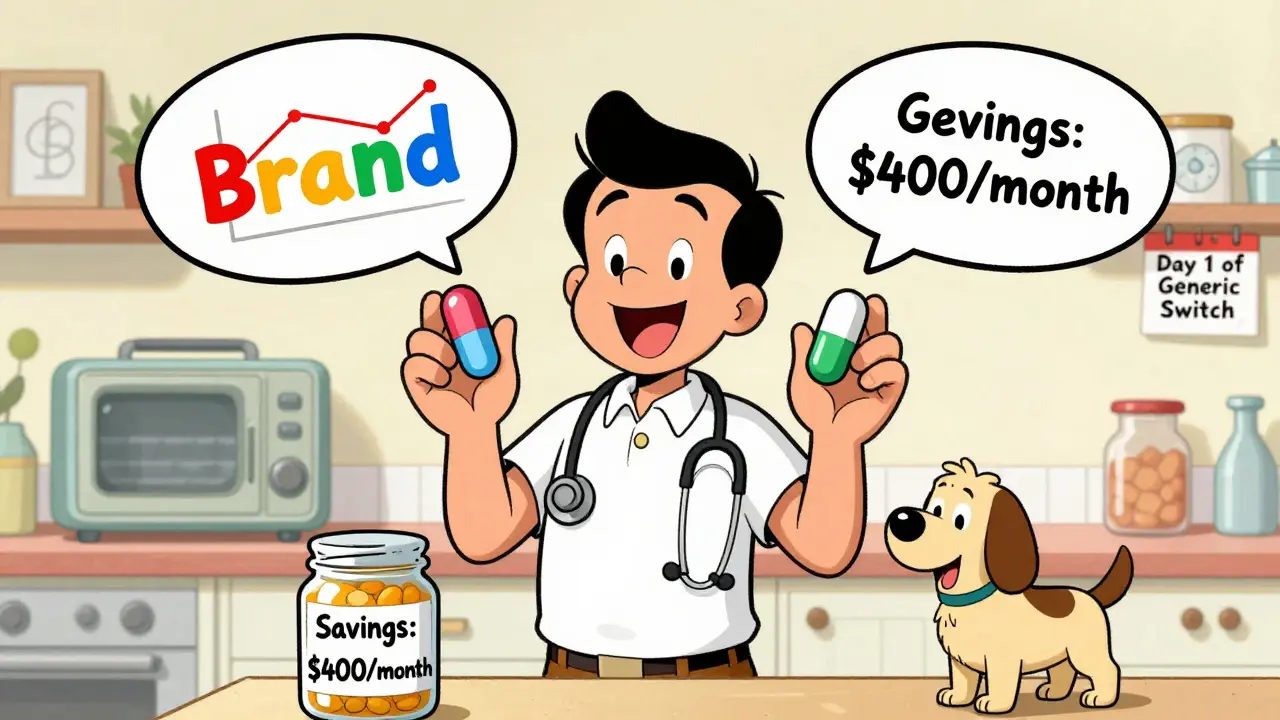
Switching to generic maintenance medications can save hundreds per year without losing effectiveness. Learn how to adjust safely, recognize when to speak up, and why most people thrive on generics.
Read More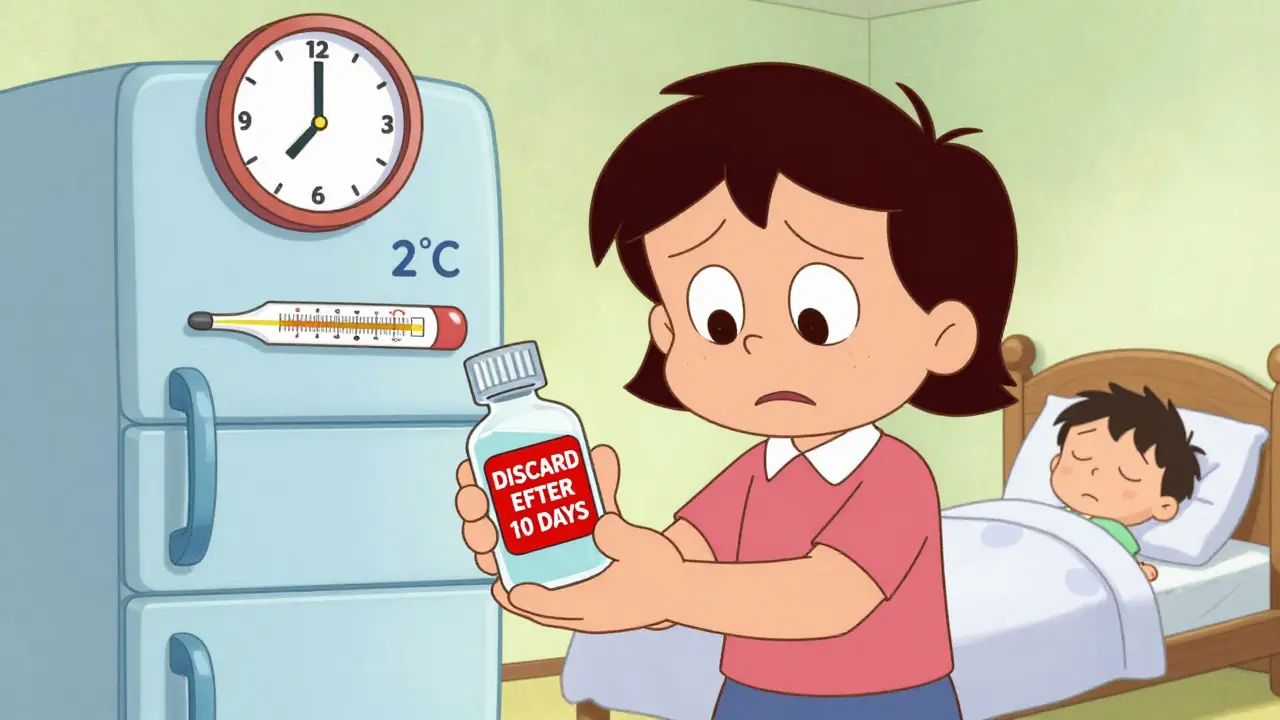
Liquid antibiotics lose potency quickly after mixing - often within 10 to 14 days. Learn why they expire so fast, how to store them properly, and what happens if you use them past their discard date.
Read More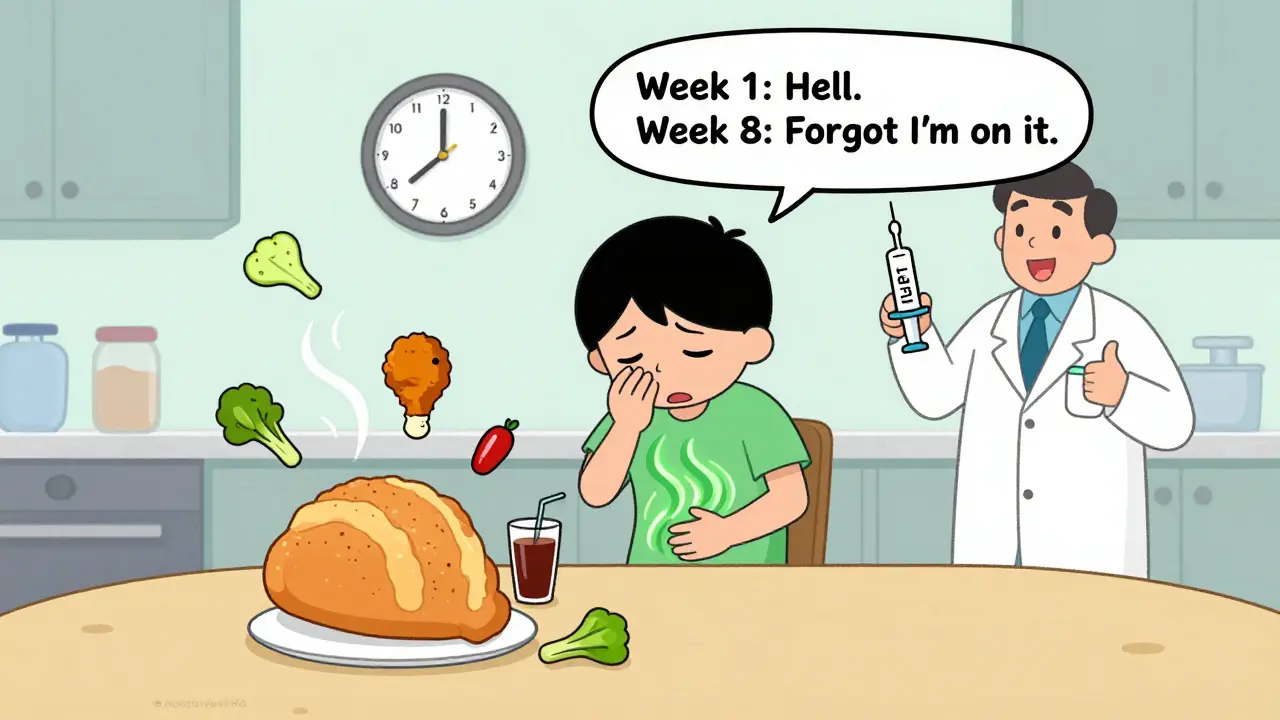
GLP-1 receptor agonists like Ozempic and Wegovy help with weight loss and diabetes, but nausea and GI side effects are common. Learn why they happen, how long they last, and how to manage them safely.
Read More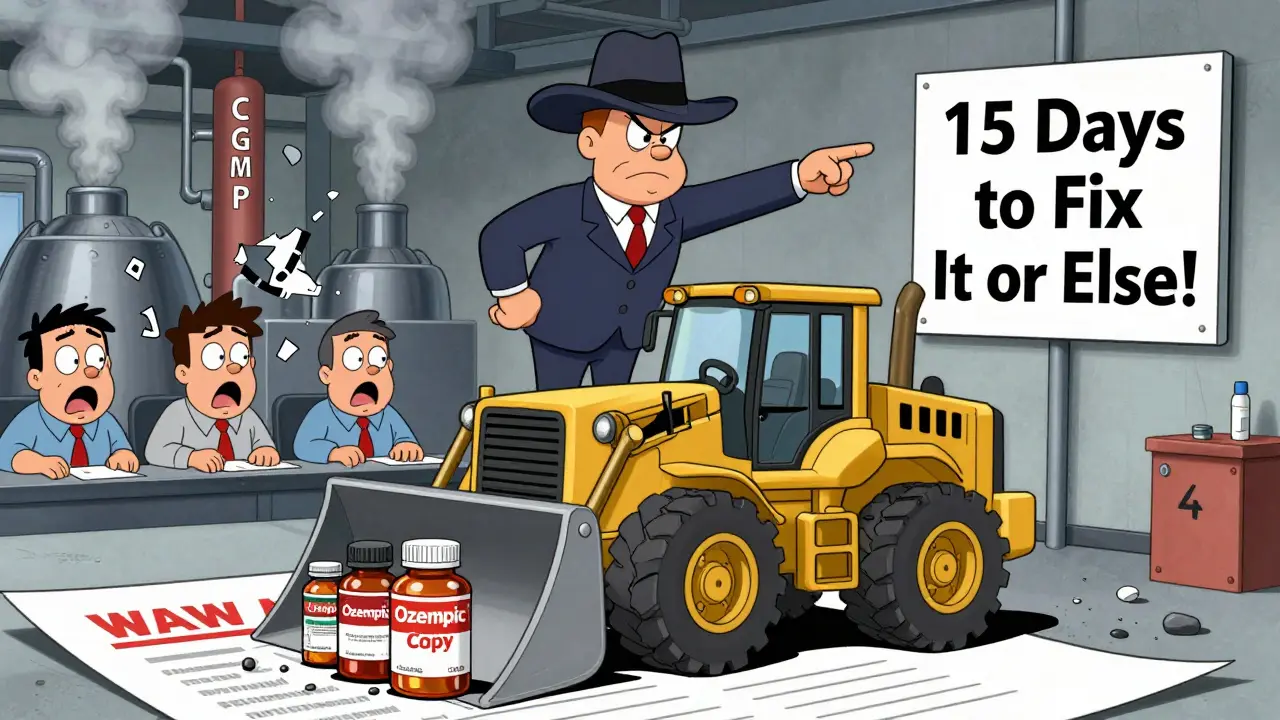
The FDA issues hundreds of warning letters each year to manufacturers who violate safety and labeling rules. Learn how these letters work, what violations trigger them, and the real consequences of ignoring them.
Read More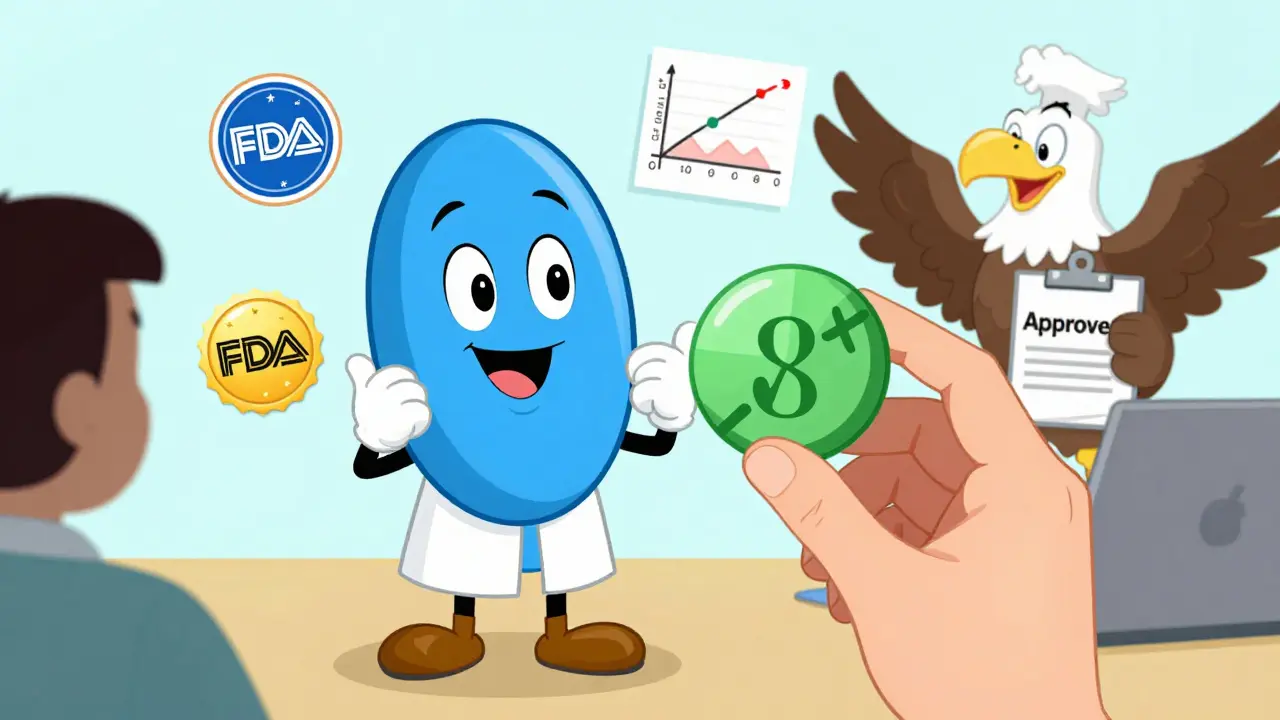
The FDA requires generic drugs to meet the same safety and effectiveness standards as brand-name drugs. Learn how bioequivalence testing, manufacturing rules, and strict oversight ensure generics are just as reliable - and why they save billions without compromising health.
Read More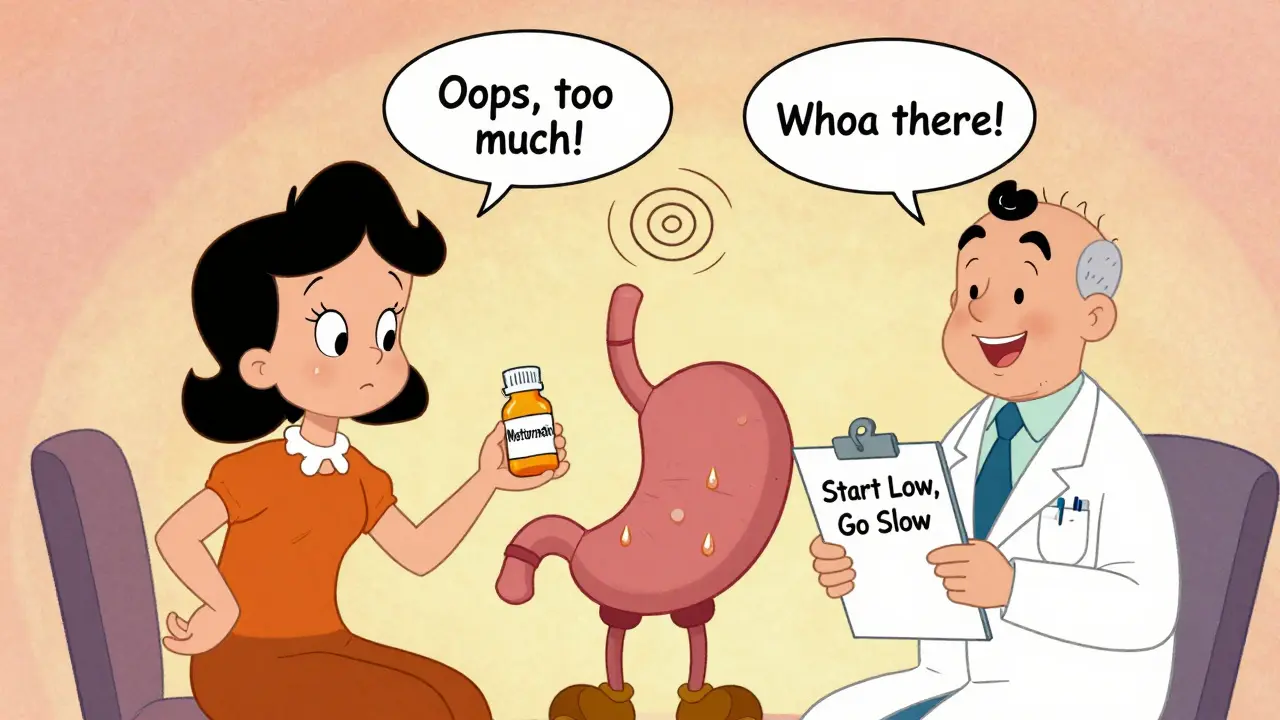
Learn how predictable and unpredictable drug side effects differ, why they matter for your safety, and what you can do to reduce your risk - backed by real data and clinical examples.
Read More